Drobeta-Turnu Severin
Romania · 8 places
Photo: MunteanUK, CC BY-SA 3.0 ro
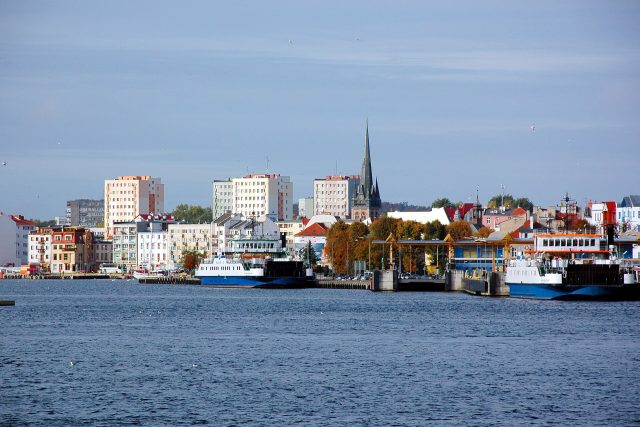
Drobeta-Turnu Severin sits where Romania’s southwestern edge meets the Danube, a place where the river bends sharply around the Carpathians before slowing into a wide, reflective stretch. The water here feels different—deeper, quieter, as if the current itself is taking a breath before continuing its journey toward the Black Sea. The city has always been a crossing point, a place where paths converge. Roman legions once marched through, merchants later followed with their caravans, and now cargo ships glide past, carrying goods between Central Europe and the sea. The air carries the scent of river dampness mixed with coffee drifting from open café doors, where people linger over cups as if time moves a little slower.
The past here is tangible, etched into the landscape. The Romans built a fortress to guard the river crossing, and the ruins of Trajan’s Bridge still stand as a testament to their engineering. Constructed in the early second century, the bridge was once a marvel—today, only its massive stone piers remain, jutting from the water like the bones of some ancient giant. Nearby, a small museum holds fragments of that era: coins, tools, and weapons, but the real draw is the place itself. The river laps against the rocks, reeds rustle in the wind, and the quiet is broken only by the occasional cry of a bird. It’s easy to imagine the clatter of Roman sandals on the bridge or the creak of wooden carts rolling toward the empire’s frontier.
Modern Severin is a town that moves at its own pace. There’s no rush, no tourist crowds, just the unhurried rhythm of daily life. Cafés spill onto terraces overlooking the water, where locals sip wine as the sun dips below the horizon. The center is a mix of grand Austro-Hungarian buildings with high ceilings and ornate balconies, and simpler homes on the outskirts, their small gardens bright with flowers in summer. In the warmer months, the promenade comes alive with music, fishermen sell their catch straight from their boats, and tourists drift along the river in rented boats. Winter is quieter, with families strolling through parks and restaurants serving steaming bowls of goulash and fresh bread.
The countryside around the city is wild and unspoiled. Just a short distance from the center, the hills rise, covered in dense forests where deer and wild boar still roam. Along the Danube, floodplains stretch out, dotted with reeds and the nests of waterbirds. Locals speak of pelicans gliding over the water, though sightings are rare now. For those who want to explore, there are hiking and cycling trails, fishing spots, and kayaking routes. But sometimes, the best thing to do is nothing at all—just sit by the river and watch the water flow, the way it has for centuries.
Mornings here begin with the smell of fresh bread from the bakery on the corner. By evening, the Danube turns gold under the setting sun, the sky blushing pink. The town feels suspended between past and present, a place where history isn’t just remembered—it’s still alive in the quiet moments.
Eat & Drink
0 placesNothing in this category yet — the catalogue is still growing.
All placesPlaces on the map
Marker colour follows the categoryClimate and weather
Detailed weather: Drobeta-Turnu Severin- Average temperature
- 13 °C
- Precipitation per year
- 679 mm
- Average humidity
- 73 %
- Sunshine hours per day
- 9.1 h
- Time zone
- UTC+3 (GMT+3)
Average air temperature
°C
3
4
8
12
16
22
25
24
20
13
7
3
Jan
Feb
Mar
Apr
May
Jun
Jul
Aug
Sep
Oct
Nov
Dec