
Delhi
India · 10 places
Photo: A.Savin, FAL
Delhi
Delhi is a city where time doesn’t just pass—it collides. Ancient walls stand beside glass-fronted malls, and the scent of frying samosas mixes with rickshaw exhaust. History isn’t confined to guidebooks; you stumble over it on sidewalks or hear it in the call to prayer from a Mughal-era mosque. The city wears its past like a second skin, layering empires, religions, and cultures into one chaotic whole. Nowhere else in India feels this loud, this messy, or this alive.
Delhi isn’t one city but many, stitched together over centuries.
Old Delhi’s alleys and bazaars feel like a Mughal miniature. The air hums with spice merchants’ chatter and the clatter of cycle rickshaws. Chandni Chowk assaults the senses: jewelers haggle over gold, vendors press sugarcane juice into your hands, and naan drifts from tandoor ovens. A few kilometers away, New Delhi sprawls with tree-lined avenues and colonial bungalows, where officials sip tea in manicured gardens. Hauz Khas blends trendy cafes with medieval ruins, while Connaught Place buzzes with office workers and rooftop bars. Each district has its own rhythm.
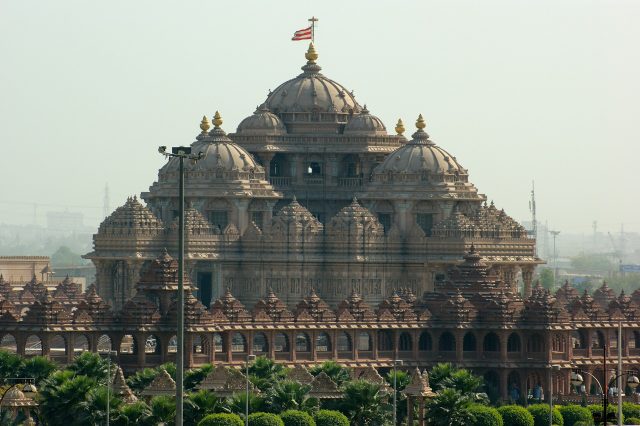
The city’s architecture tells its story. The Red Fort, built by Emperor Shah Jahan in the 17th century, showcases Mughal grandeur with red sandstone walls, marble palaces, and gardens. Nearby, the Jama Masjid, one of India’s largest mosques, fills with worshippers on Fridays. The Lotus Temple, a modern marvel of white marble, welcomes people of all faiths to sit in silence. These buildings aren’t just landmarks; they’re proof of Delhi’s constant reinvention.
Delhi thrives in the present. Start your morning at Khan Market, bargaining for mangoes and saffron. Wander through Lodi Gardens, where locals practice yoga among 15th-century tombs. By evening, eat butter chicken or biryani on a rooftop, watching the city lights flicker. The streets never quiet—chai wallahs set up at 3 a.m., auto-rickshaws dart through empty roads. The city pulses at all hours.
What makes Delhi special isn’t just what you see. There’s no perfect itinerary. The city reveals itself to those who follow it: down a side street where a tailor stitches a sari, into a tea shop where old men debate politics, or onto a rooftop where the skyline stretches endlessly. A week here feels like a lifetime, yet you’ll leave knowing you’ve barely begun. Delhi doesn’t offer comfort or order—it offers the chance to lose yourself in its chaos and emerge changed.
See & Do
10 places




Places on the map
Marker colour follows the categoryClimate and weather
Detailed weather: Delhi- Average temperature
- 25 °C
- Precipitation per year
- 966 mm
- Sunshine hours per day
- 6 h
Average air temperature
°C
14
18
24
29
32
33
31
31
30
26
20
15
Jan
Feb
Mar
Apr
May
Jun
Jul
Aug
Sep
Oct
Nov
Dec


