
Cappadocia
Turkey · 10 places
Photo: Georges Jansoone JoJan, CC BY 3.0
Nestled in the heart of Anatolia, Cappadocia feels like a place where the earth itself has been shaped by dreams. The landscape here is unlike anywhere else in Turkey—towering rock formations rise from the valleys like ancient sentinels, their soft tuff stone carved by wind and time into shapes that seem almost alive. Some resemble fairy chimneys, others look like castles from a forgotten tale, their surfaces worn smooth by centuries of erosion. This is a land where history isn’t just written in books but etched into the very cliffs, where every crevice and cave tells a story of the people who once sought shelter within them.
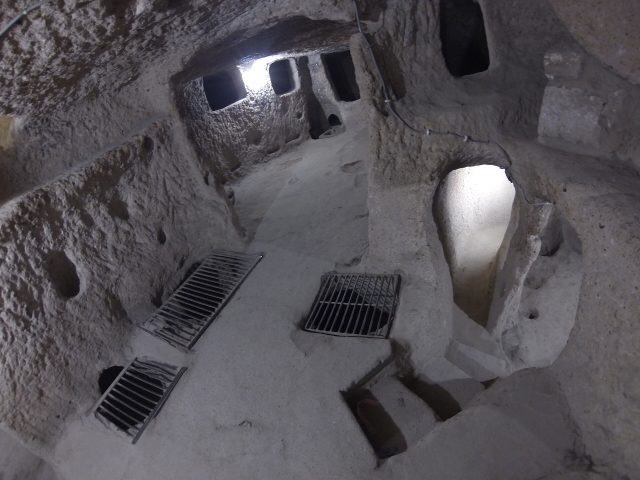
The region’s surreal beauty is no accident. Millions of years ago, volcanic eruptions blanketed the area in thick layers of ash, which hardened into a porous, workable stone. Early inhabitants quickly realized its potential, carving homes, churches, and even entire underground cities into the cliffs. Places like Göreme, Zelve, and Uçhisar still bear the marks of these ancient builders, their cave dwellings and rock-cut chapels standing as silent witnesses to a way of life that has endured for generations. Walking through these settlements, you don’t just observe history—you step into it, surrounded by the same stone walls that once sheltered families, monks, and merchants.
Cappadocia reveals its magic at dawn, when the sky fills with the gentle glow of hot air balloons drifting over the valleys. Floating above the landscape at sunrise is an experience that lingers long after the basket touches the ground, but it’s far from the only way to explore. The region’s trails wind through canyons like Ihlara, where the Melendiz River has carved a path through the rock, or the Rose Valley, where the cliffs blush pink in the late afternoon light. For those who prefer to go underground, the ancient cities of Derinkuyu and Kaymaklı offer a glimpse into a hidden world of tunnels, storerooms, and ventilation shafts, designed to protect thousands of people from invaders. Above ground, the rhythm of life continues much as it has for centuries—vineyards stretch across the hillsides, apricot trees dot the landscape, and the scent of baking bread drifts from village ovens.
This is also a place where traditions hold strong. In small workshops, artisans still craft pottery using techniques passed down through generations, their hands shaping clay into vessels that echo the designs of the past. Local weavers produce intricate carpets, their patterns as vibrant as the stories behind them. Food here is simple but deeply flavorful—dishes like testi kebap, where meat and vegetables slow-cook in a sealed clay pot, or pumpkin soup thickened with lentils, carry the warmth of home cooking. Evenings bring a quiet charm, with the scent of spices mingling in the air and the soft strum of a bağlama drifting from a café. There’s no rush, no need to fill the silence—just the slow, steady pulse of a place that has always moved to its own rhythm.
Cappadocia doesn’t demand attention. It doesn’t dazzle with neon lights or clamor for crowds. Instead, it invites you to slow down, to wander its valleys and villages at your own pace. The mornings are cool, the afternoons warm, and the evenings bring a hush that settles over the landscape like a blanket. There are no grand declarations here, no need to impress—just the quiet certainty of a place that has stood the test of time. And perhaps that’s the real allure of Cappadocia: it doesn’t try to be anything other than what it is. It simply exists, offering each visitor the chance to discover their own piece of its enduring magic.
See & Do
10 places


Places on the map
Marker colour follows the categoryClimate and weather
Detailed weather: Cappadocia- Average temperature
- 13 °C
- Precipitation per year
- 462 mm
- Sunshine hours per day
- 6.9 h
Average air temperature
°C
1
3
7
13
16
21
24
24
20
14
8
4
Jan
Feb
Mar
Apr
May
Jun
Jul
Aug
Sep
Oct
Nov
Dec


