Cancún
Mexico · 9 places
Photo: Microstar, CC BY-SA 4.0
Cancún
Cancún is where the Caribbean’s turquoise waves meet powdery white sand, and palm trees sway in the warm breeze. The air carries the scent of salt and lime, mixed with music from beachfront bars. The ocean is always close—whether you’re drinking a cocktail at noon or watching the sunset turn the sky pink and gold. But Cancún is more than a beach. It’s a city where luxury resorts stand beside quiet neighborhoods, and ancient ruins lie just beyond the horizon.
The Hotel Zone and Downtown
The city has two faces. The Hotel Zone, a narrow strip curling into the sea, is built for visitors. Beaches here are wide and well-kept, with rows of loungers. Restaurants serve ceviche, wood-fired pizzas, and more. Shopping centers offer designer boutiques and handwoven hammocks. At night, neon lights and open-air clubs take over, but the energy stays controlled—people move between bars and beach parties without chaos.
Downtown feels different. Laundry hangs from balconies. Street vendors sell tacos al pastor from sizzling grills. The scent of fresh tortillas fills the air. Children play in the streets. Old men chat over dominoes. A guitar strums somewhere in a courtyard.
A Gateway to the Past
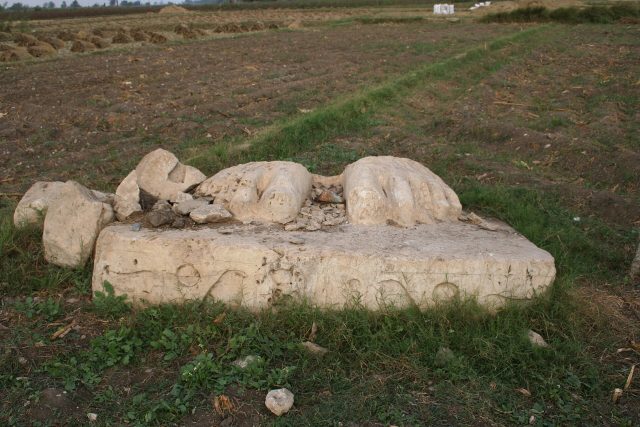
The Yucatán is dotted with Maya ruins. A couple of hours’ drive brings you to Chichén Itzá, where the pyramid of Kukulcán looms over the landscape. Its precise geometry shows the Maya’s astronomical knowledge. Closer to the city, El Rey and El Meco offer smaller ruins—crumbling temples and stone carvings that tell stories of a civilization that once thrived here.
Then there are the cenotes. These natural sinkholes, filled with crystal-clear water, formed when limestone caves collapsed. The Maya considered them sacred. Today, they offer a cool escape from the heat. Some are hidden in the jungle, their entrances covered by vines. Others have rope swings and wooden platforms for diving.
The People and the Place
Cancún draws visitors from everywhere. You’ll hear Spanish, English, and other languages in the streets. The food reflects this mix—tacos and mole sit alongside Italian trattorias, Japanese sushi bars, and German beer gardens. Locals, many working in tourism, are quick with a smile and a recommendation. Their friendliness can feel persistent, but there’s warmth behind it.
Look beyond the surface, and you’ll find small moments: a street musician playing a ranchera, a family sharing a meal at a plastic table, the way light catches the waves at sunset.
Cancún has its flaws. The Hotel Zone gets crowded in peak season, with traffic and high prices. Downtown has potholed streets, stray dogs, and the occasional smell of sewage on hot days. But these don’t define the place. What does is its ability to be many things at once—a place to relax, to party, to explore history.
You could spend a week on the beach and leave happy. Or you could use Cancún as a base to explore colonial towns, hidden cenotes, and ruins swallowed by jungle. Either way, the best approach is to let the city show itself. It doesn’t apologize for its contradictions. It offers something for everyone—whether you’re here for the sun, the history, or the energy.
Stay
0 placesNothing in this category yet — the catalogue is still growing.
All placesPlaces on the map
Marker colour follows the categoryClimate and weather
Detailed weather: Cancún- Average temperature
- 27 °C
- Precipitation per year
- 1016 mm
Average air temperature
°C
24
25
26
27
28
28
29
29
28
27
25
24
Jan
Feb
Mar
Apr
May
Jun
Jul
Aug
Sep
Oct
Nov
Dec