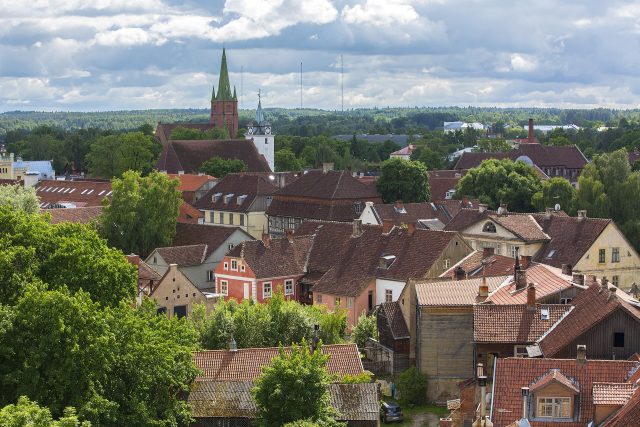
Cádiz
Spain · 7 places
Photo: Jrcordon, CC BY-SA 3.0 es
Cádiz doesn’t announce itself with fanfare or grand gestures. It simply exists, as if it has always been here—older than Rome, older than most of Europe’s great cities, and you can feel that weight in the worn stones underfoot. Perched on a narrow spit of land jutting into the Atlantic, it’s almost an island, surrounded by water on three sides, clinging to the Andalusian coast like something washed ashore long ago. There’s no frenzy here, no tourist hordes, though visitors do come—drawn by the sun, the history, the particular quality of light that only the south of Spain seems to hold.
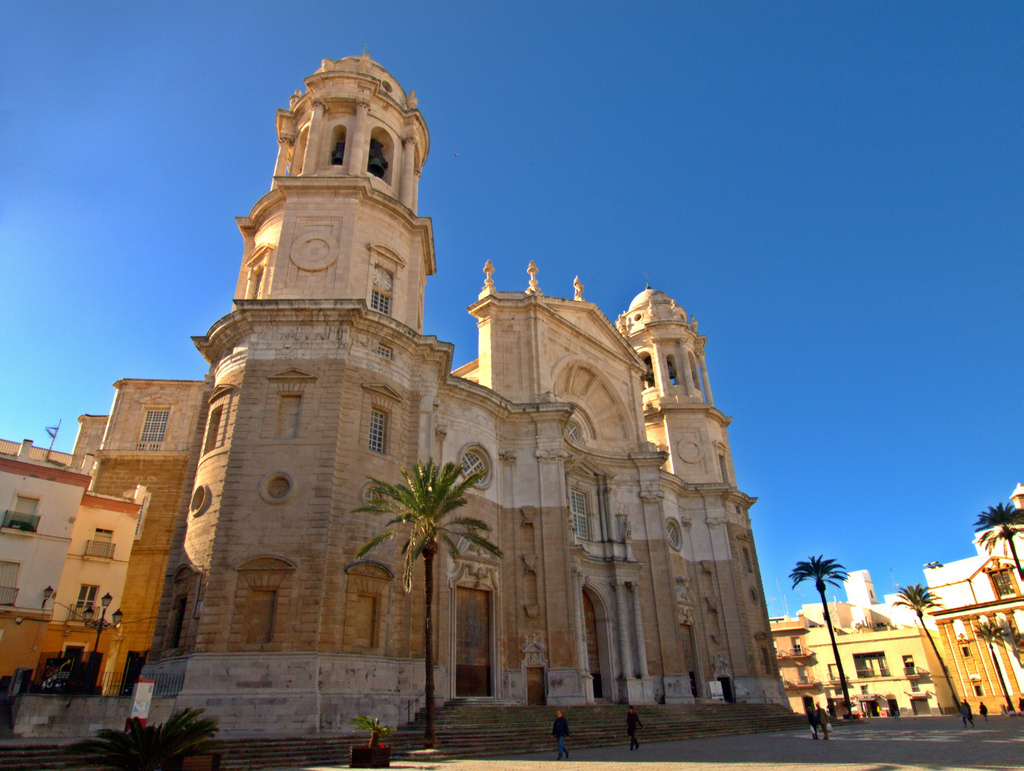
Walking through Cádiz is like stepping into another era. The old town’s cobbled streets twist between whitewashed houses, their wrought-iron balconies draped with drying laundry and pots of geraniums. In the plazas, orange trees cast dappled shade over men playing dominoes and children kicking footballs between benches. The cathedral’s gilded dome rises above it all, visible from afar, but the real magic isn’t in the architecture—it’s in the air. The sea is everywhere: the salt tang in the breeze, the scent of seaweed, the distant crash of waves against the seawall at dusk, mingling with the hum of bars spilling music onto the streets.
This is a city of contrasts. Ancient Phoenician walls stand near Roman ruins, while just beyond them, the fish markets buzz with vendors shouting prices over the day’s catch. You can duck into a tapas bar where recipes haven’t changed in a century, then stroll down to La Caleta beach, where scenes from James Bond films were shot. The sea here isn’t the gentle Mediterranean—it’s the wild Atlantic, with strong currents and winds that shape the coastline. Locals know its moods and respect them; visitors often underestimate it.
Life here moves slowly, but that doesn’t mean it stands still. Cádiz has its own rhythm, its own celebrations. Take Carnival, when the streets erupt with music, costumes, and sharp-tongued satire. Or the flamenco festivals that draw performers from across Andalusia. But even without festivals, the city pulses with quiet energy: fishermen returning with the morning’s haul, old men debating the news on benches, young people filling the bars until dawn, lingering over wine and conversation.
Cádiz doesn’t try to be trendy or modern. It’s weathered, unpolished, alive. There are no skyscrapers, no tourist traps. There’s the sea, relentless against the shore; the wind, scattering paper through the streets; the people, who know each other by name. This isn’t a place for those seeking constant entertainment. It’s for those who want to feel the weight of time, to let the city’s quiet persistence seep into their bones. And perhaps that’s why Cádiz still draws you in.
Stay
0 placesNothing in this category yet — the catalogue is still growing.
All placesPlaces on the map
Marker colour follows the categoryClimate and weather
Detailed weather: Cádiz- Average temperature
- 19 °C
- Precipitation per year
- 448 mm
Average air temperature
°C
13
15
16
18
20
23
25
26
24
21
17
15
Jan
Feb
Mar
Apr
May
Jun
Jul
Aug
Sep
Oct
Nov
Dec