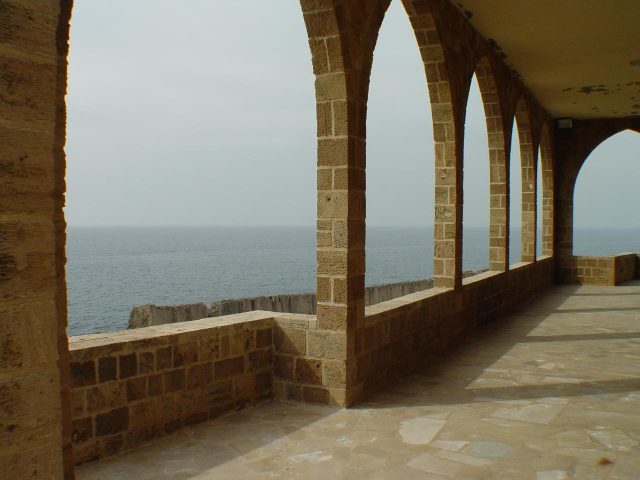
Batroun
Lebanon · 8 places
Photo: Cedro2010, CC0
By the time you reach Batroun, you realize the Mediterranean doesn’t just lap at the shore—it lingers, as if reluctant to leave. Tucked between Beirut and Tripoli, this small coastal town moves at its own pace, neither a resort nor a backwater, but something else: a quiet conversation between the sea and the mountains. There are no crowds here, no grand hotels. Instead, the town unfolds in layers—salt-worn fishing boats bobbing in the harbor, sandstone houses with wooden lattice balconies, and the occasional scent of cardamom coffee drifting from a narrow doorway. The past isn’t locked away in museums; it’s woven into the streets, where Phoenician stones, Crusader ruins, and Ottoman arches stand side by side.
The harbor is where Batroun begins. It’s small enough to feel personal, where fishermen unload their catch straight onto the dock. The day’s best meal might be grilled octopus with lemon and olive oil, eaten with your fingers while sitting on a plastic stool. From here, the old quarter spreads out in a maze of low-slung buildings, their facades weathered by sun and salt. There are no luxury resorts, just family-run guesthouses where the morning starts with thick labneh, warm bread, and a view of the water so close you can hear the waves before you see them.
Perched on a rocky promontory, the Crusader fortress of Mseilha feels like part of the landscape. Built in the 12th century, it’s not grand like European castles—no towering spires or restored halls. Instead, it’s sturdy, its walls blending into the cliffs. From the top, the sea stretches endlessly, its blue deepening where it meets the horizon, while waves crash against the rocks below. You can wander the ruins without a guide, the cries of gulls filling the silence, and imagine the knights who once patrolled these stones.
In summer, the town comes alive. The waterfront hums with life as locals and visitors gather at dusk, sharing bottles of arak alongside plates of mezze: smoky baba ghanoush, crispy falafel, and fish so fresh it tastes like the sea. The beaches here aren’t manicured; the best ones are wild, where the water is so clear you can see the pebbles beneath the surface. Early mornings are the sweetest, when the sun hasn’t yet burned off the night’s coolness, and the sea feels like a secret meant only for you.
When winter arrives, Batroun softens. The rain is gentle, and after a storm, the hillsides burst into color, wildflowers pushing through the damp earth. The town doesn’t shut down; it slows. This is the time to explore pine-scented trails leading to old Maronite churches, their stone walls half-hidden by trees, or to drive into the mountains, where villages live by rhythms unchanged for generations. There’s no pretense here—just a place where the sea meets the land, where history is lived rather than displayed, and where the greatest luxury is the absence of hurry.
See & Do
8 places

Places on the map
Marker colour follows the categoryClimate and weather
Detailed weather: Batroun- Average temperature
- 21 °C
- Precipitation per year
- 842 mm
Average air temperature
°C
13
14
16
19
22
26
28
29
27
24
19
15
Jan
Feb
Mar
Apr
May
Jun
Jul
Aug
Sep
Oct
Nov
Dec