Banjun
Cameroon · 8 places
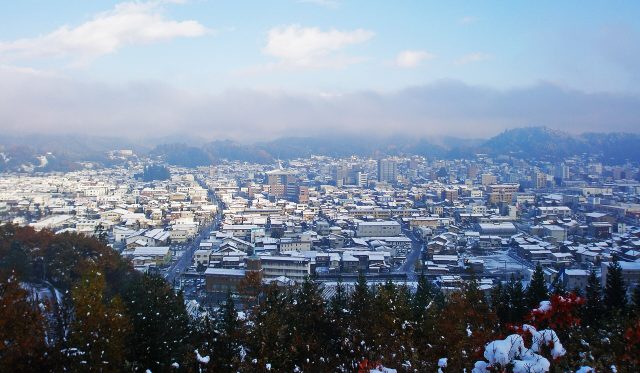
Photo: Wikimedia Commons, CC BY-SA 2.5
Banjun moves to its own quiet rhythm, a place where time doesn’t rush but lingers, shaped by the slow shift of seasons rather than the ticking of clocks. Tucked into the hills and rainforests of southwestern Cameroon, the air here is thick with the scent of damp earth and spices, carrying the weight of something ancient yet alive. There are no skyscrapers or crowded streets, just the steady hum of life unfolding at nature’s pace—the rustle of leaves, the distant drumming from village gatherings as dusk settles in. The city doesn’t announce itself; it waits, letting you settle into its unhurried cadence.
This is the heartland of the Bakweri people, where tradition isn’t preserved behind glass but woven into everyday existence. In nearby villages, stilt houses rise above the ground, built the way they have been for generations, while elders share stories of forest spirits and ancestors who still walk among them, unseen but felt in every ritual. The markets here are more than places to buy and sell—they’re the pulse of the community. Under the shade of mango trees, women arrange piles of fresh fruit, their hands deftly weaving baskets from palm fronds, while men carve masks that seem to hold secrets in their silent expressions. The air is rich with the tang of palm wine, fermented in clay pots using methods passed down through centuries. You won’t find mass-produced souvenirs here; what’s sold carries the weight of stories, whether it’s a length of brightly patterned fabric or a wooden figurine whose meaning shifts with each telling.
The land around Banjun feels boundless, a sprawling tapestry of green where the wild and the cultivated blur together. A short drive away, nature reserves shelter rare monkeys in their dense canopies, while at night, frogs the size of your palm call out from the undergrowth. The Mungo River cuts through the landscape, not just as a water source but as a lifeline—its currents carrying dugout canoes laden with goods and passengers. When the rains come, the river swells, turning its banks into a maze of water and vegetation, but in the dry season, it recedes to reveal sandy banks where children kick around makeshift footballs, their laughter ringing across the water. The surrounding hills are dotted with cocoa and coffee plantations, their crops tended by hands that have done this work for decades. The air here is thick with the scent of fermenting beans and damp soil, a reminder that this land has fed and sustained people long before the idea of "farm-to-table" ever took hold.
Life in Banjun isn’t slow out of boredom, but because it has learned the value of patience. Mornings begin with the murmur of prayers drifting from mosques and churches, a quiet coexistence of faiths that goes unquestioned. Schoolchildren weave through the streets, dodging vendors selling fried plantains and flatbreads, while elders sit on wooden benches, watching the world go by with the easy wisdom of those who have seen seasons come and go. By evening, the city stirs to life again, not with the polished beats of tourist-friendly African music, but with something raw and real—a blend of traditional rhythms and modern melodies, where guitars answer the call of drums and voices sing of love, struggle, and the small triumphs of daily life.
Banjun doesn’t try to impress with grand monuments or luxury resorts. There are no crowds of tourists here, and that’s precisely what makes it special. What it offers isn’t spectacle, but a feeling—the chance to step into a rhythm that’s older than the idea of travel itself. Here, the past and present aren’t separate; they’re intertwined, each breath carrying the weight of history while still making room for the now. The streets don’t just lead somewhere; they invite you to lose yourself, not just in the maze of alleys, but in the way time seems to stretch and slow, especially at dusk, when the sky burns with the last light of the day and the shadows grow long. For a moment, the world holds its breath, and if you’re lucky, you’ll see it not as a place to visit, but as a place that lets you belong.
Stay
0 placesNothing in this category yet — the catalogue is still growing.
All placesPlaces on the map
Marker colour follows the categoryClimate and weather
Detailed weather: Banjun- Average temperature
- 22 °C
- Precipitation per year
- 1690 mm
Average air temperature
°C
23
24
24
23
22
21
20
20
20
21
21
22
Jan
Feb
Mar
Apr
May
Jun
Jul
Aug
Sep
Oct
Nov
Dec