Akhar
Iran · 6 places
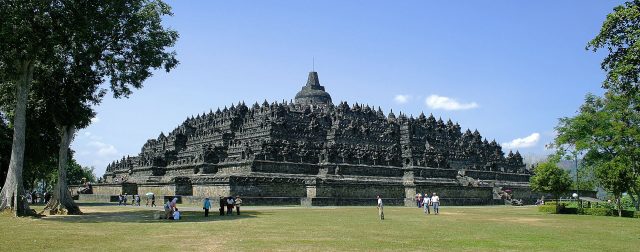
Photo: Elmju, CC BY-SA 3.0
Ahar sits quietly in the folds of northwestern Iran, where the foothills of Mount Sabalan rise like a sleeping giant. The air here carries the scent of wild thyme and damp earth, and the only sounds breaking the silence are the distant bells of grazing sheep and the occasional call of a shepherd guiding his flock. There are no crowds, no souvenir stalls, no scripted tours—just the slow, unhurried rhythm of a place that has resisted the rush of time. The valleys stretch out in shades of green, dotted with villages where clay houses blend into the landscape, their walls weathered by generations of wind and rain.
The old quarters of Ahar feel like a maze of narrow lanes, where dark stone houses lean into each other as if sharing secrets. The bazaars hum with the kind of trade that hasn’t changed in centuries—piles of dried apricots and figs, sacks of spices with names you might not recognize, and wool carpets so thick they seem woven from the very mountains around them. Copperworkers hammer out trays and teapots in open-air workshops, their rhythmic clanging mixing with the murmur of bargaining voices. The Jameh Mosque stands at the heart of it all, its tiled minaret catching the light while inside, the air is cool and dim, filtered through stained glass that turns the sunlight into something almost sacred.
From Ahar, the roads lead upward, winding through valleys where wildflowers spill across the meadows in spring. One path takes you toward the hot springs at the base of Sabalan, where steam rises from the earth at nearly three thousand meters, and the water is said to carry the mountain’s ancient warmth. Another route follows the old caravan trails of Arasbaran, a land of dense forests and open pastures where the borders between Iran, the Caucasus, and Anatolia once blurred. Here, you might meet shepherds moving their flocks along the same routes their ancestors used, or stumble upon a field of poppies swaying in the wind. The landscape shifts with every turn—snow-capped peaks one moment, deep gorges the next, rivers cutting through rock like veins of silver.
Mornings in Ahar begin with the crow of roosters and the scent of fresh bread pulled from clay ovens. By evening, the town squares fill with men sipping tea from small glasses, their conversations drifting between the day’s news and the price of wool. There are no grand hotels here, just guesthouses where families welcome strangers with plates of homemade cheese, honey still dripping from the comb, and tea brewed with herbs gathered from the hills. The food is simple—lamb kebabs charred over open flames, stews thick with vegetables and wild greens, flatbreads so hot they burn your fingers, and ayran so cold it makes your teeth ache.
Ahar doesn’t try to impress. It doesn’t need to. The streets are wide enough for donkeys and children to share, the mountains hold stories older than memory, and the people greet you not as a visitor, but as someone passing through. If you’ve ever wanted to see Iran without the gloss, without the expectations, this is where you’ll find it—a place where life moves at the pace of the seasons, and every stone underfoot has been part of the journey for centuries.
Stay
0 placesNothing in this category yet — the catalogue is still growing.
All placesPlaces on the map
Marker colour follows the categoryClimate and weather
Detailed weather: Akhar- Average temperature
- 14 °C
- Precipitation per year
- 272 mm
- Sunshine hours per day
- 8 h
Average air temperature
°C
-1
2
8
13
18
24
27
27
22
15
7
2
Jan
Feb
Mar
Apr
May
Jun
Jul
Aug
Sep
Oct
Nov
Dec