Atbarah River
Sudan · 4 places
Photo: Bertramz, CC BY 3.0
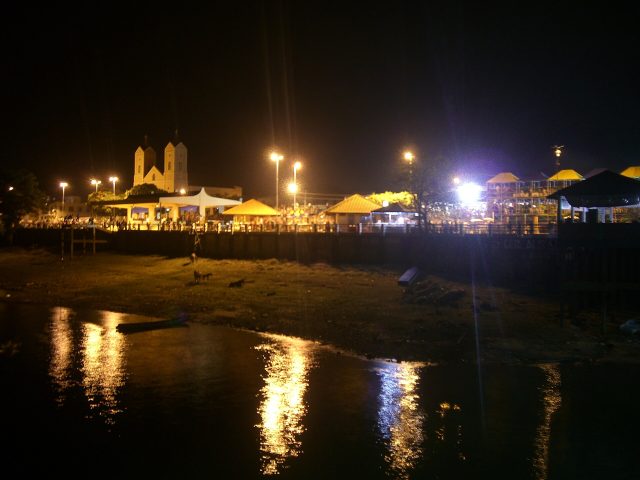
Atbara sits where the Nile bends. The city doesn’t demand attention—no grand monuments or polished tourist trails. Instead, it offers the rhythm of life as it’s lived: dusty streets, low sun-baked buildings, and people moving at an unhurried pace. Strangers are met with quiet warmth, not performance. Atbara exists as it has for generations, shaped by the river and the railway.
The railway’s legacy
In the late 1800s, British engineers chose this spot for the tracks connecting Khartoum to Port Sudan. Atbara became a vital hub, its trains carrying goods, travelers, and news. Today, rusted steam locomotives sit on sidings, but the station still hums. Trains run less often now, yet they remain part of the city’s fabric—its folklore, memories, and daily conversations.
The Nile and the markets
The river here is broad and slow, its waters a cool respite. Fishermen return at dawn with their catch, while small boats drift along the current. But the markets are where Atbara truly pulses. Stalls overflow with spices, fresh fruit, fabric, and trinkets passed through countless hands. Bargaining is a ritual—stories and laughter exchanged alongside prices. A vendor might spend as long explaining a silver bracelet’s history as negotiating its cost.
Atbara’s charm isn’t in famous landmarks. It’s in the ordinary: old men playing dominoes over tea in a café, younger generations debating politics at roadside stalls. As evening falls, voices carry across the water, and the city settles into its quiet hum. Atbara doesn’t try to impress. It simply endures, and that’s enough.
Eat & Drink
0 placesNothing in this category yet — the catalogue is still growing.
All placesPlaces on the map
Marker colour follows the categoryClimate and weather
Detailed weather: Atbarah River- Average temperature
- 31 °C
- Precipitation per year
- 56 mm
- Sunshine hours per day
- 9.3 h
Average air temperature
°C
23
25
28
32
35
36
35
34
35
33
29
24
Jan
Feb
Mar
Apr
May
Jun
Jul
Aug
Sep
Oct
Nov
Dec