- Home
- Madagascar
- Anduane

Anduane
Madagascar · 8 places
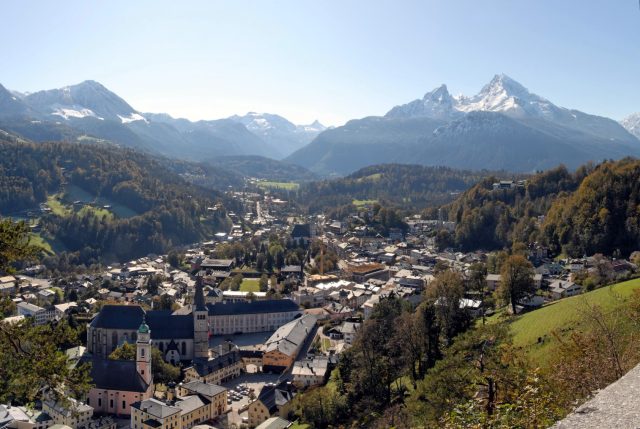
Photo: Anai171, CC BY-SA 4.0
Anduane feels like a place where time has paused, leaving behind the unhurried rhythm of a world untouched by modern haste. Perched on its namesake island in the Comoros archipelago, it belongs to Madagascar yet sits closer to the African coast, a quiet outpost where life moves to the pace of the tides. The town is small enough to explore on foot in an afternoon, its narrow lanes winding past weathered coral-stone houses and mango trees that offer shade from the midday sun. There are no grand landmarks here, no crowds of tourists—just the quiet charm of a place that exists for its own sake, content in its simplicity.
The sea dictates life in Anduane, shaping everything from the daily routines of its people to the scent that lingers in the air—a mix of salt, spices, and woodsmoke from the fires where fish is dried. Most families depend on fishing or farming, cultivating vanilla, cloves, and ylang-ylang, the fragrant crops that once made the island famous. The harbor is always alive with activity: boats unloading their catch, children watching strangers with curious eyes, and the occasional trader haggling over goods. Evenings bring a slower pace, with families gathering along the waterfront to talk, laugh, or simply watch the sun dip below the horizon.
History here isn’t confined to museums or plaques—it’s woven into the fabric of the town. Anduane was once a bustling trade hub, frequented by Arab, Persian, and later European merchants. Vestiges of that past remain in the old mosques with their intricately carved doors, the graveyards marked by Arabic script, and the crumbling forts that once guarded against pirates. Locals share stories of the island’s heritage with pride, though many tales are passed down orally rather than recorded in books. There’s no need for tourist signs when the past is still alive in the memories of those who call this place home.
The landscape around Anduane is as understated as it is beautiful. The island doesn’t boast pristine white-sand beaches or luxury resorts, but its shores are dotted with secluded coves of black volcanic sand, and the interior is lush with forests where lemurs and rare birds make their home. The sea isn’t always calm—monsoons bring storms—but that same wildness makes the waters teem with life. Fishermen know every reef and underwater rock, and if you’re lucky, they might take you out to snorkel among coral gardens or schools of tropical fish. There’s no fancy dive gear here, just a mask, a snorkel, and the thrill of discovery.
This isn’t a place for those seeking entertainment or polished experiences. There are no crowded bars, no souvenir shops hawking trinkets—just quiet evenings by the water, long conversations over strong coffee, and empty beaches where the only footprints in the sand are your own. Anduane doesn’t try to be anything other than what it is, and that’s its greatest appeal. It exists on its own terms, welcoming those who come with an open mind and a willingness to see it as it truly is.
Eat & Drink
0 placesNothing in this category yet — the catalogue is still growing.
All placesPlaces on the map
Marker colour follows the categoryClimate and weather
Detailed weather: Anduane- Average temperature
- 28 °C
- Precipitation per year
- 2056 mm
Average air temperature
°C
28
28
28
29
28
26
26
26
27
28
29
29
Jan
Feb
Mar
Apr
May
Jun
Jul
Aug
Sep
Oct
Nov
Dec