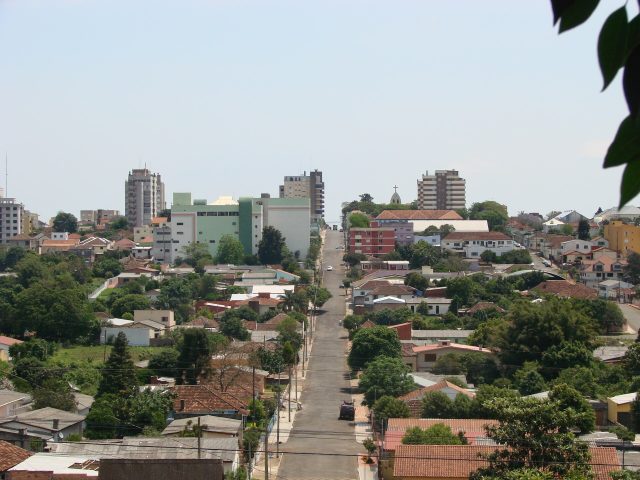
Abakan
Russia · 8 places
Photo: Имя имени, CC BY-SA 4.0
Abaкан isn’t the kind of city that reveals itself at first glance. It takes time—days, maybe even weeks—to notice the quiet rhythm of life here, the way the steppe wind carries the scent of dry grass through the streets, or how the Yenisei River glows gold at sunset. Tucked in the heart of Khakassia, where the vast Siberian plains meet the foothills of the Sayan Mountains, Abakan feels like a place where nature and urban life exist side by side without tension. There are no skyscrapers or crowded boulevards, just wide avenues lined with poplars, the occasional cry of gulls over the water, and the distant hum of a city that moves at its own pace.
Founded where the Abakan River flows into the Yenisei, the city only gained its name in the mid-20th century when it became the capital of the Khakass Autonomous Oblast. Today, it’s a cultural crossroads where different communities—Khakas, Russians, Germans, Ukrainians, and others—have woven their lives together over generations. You’ll hear Khakas spoken in the markets just as naturally as Russian, and the local museums hold artifacts that tell stories of nomadic life stretching back thousands of years. There’s no sharp divide between old and new, or between "locals" and "outsiders"—just a sense of shared space, where traditions persist without fanfare.
The city doesn’t dazzle with grand architecture or flashy attractions, and that’s part of its charm. The center is made for unhurried strolls, where you might duck into a café for a plate of Khakas meat pies or browse handmade crafts from local artisans. In summer, the Yenisei embankment becomes the city’s living room—families picnic on the grass, fishermen cast their lines, and couples walk along the water as the light fades. Winter brings a different kind of quiet, the streets muffled by snow, while the frozen river hosts races with reindeer sleds, a tradition you won’t find anywhere else in Russia.
The real draw, though, is the landscape around Abakan. The Sayan Mountains rise just beyond the city limits, and on weekends, locals head into the hills for mushrooms, berries, or just the crisp mountain air. Ancient burial mounds and sacred sites dot the countryside, still respected by those who live nearby. Venture a little farther, and you’ll find nature reserves where red deer graze, roe deer dart through the trees, and rare birds nest in the cliffs. The climate swings between extremes—scorching summers and bitter winters—but that’s what gives the region its character. The land shapes the people here, and the people, in turn, move with its seasons.
Life in Abakan unfolds slowly, without urgency. You’ll feel it in the way conversations linger over tea in a neighborhood diner, or how strangers nod to each other on the street. There’s no rush, no need to fill the silence. Instead, there’s time to notice the small things: the way the first snow dusts the mountain peaks, the taste of fresh sea buckthorn sold at the market, or the warmth of a shopkeeper’s smile as she hands you a bag of pine nuts. Abakan doesn’t try to impress. It doesn’t need to. It’s simply itself—a city where the past and present coexist quietly, and where the land always has the final word.
Eat & Drink
0 placesNothing in this category yet — the catalogue is still growing.
All placesPlaces on the map
Marker colour follows the categoryClimate and weather
Detailed weather: Abakan- Average temperature
- 3 °C
- Precipitation per year
- 409 mm
Average air temperature
°C
-17
-15
-3
6
13
19
20
18
11
3
-5
-15
Jan
Feb
Mar
Apr
May
Jun
Jul
Aug
Sep
Oct
Nov
Dec