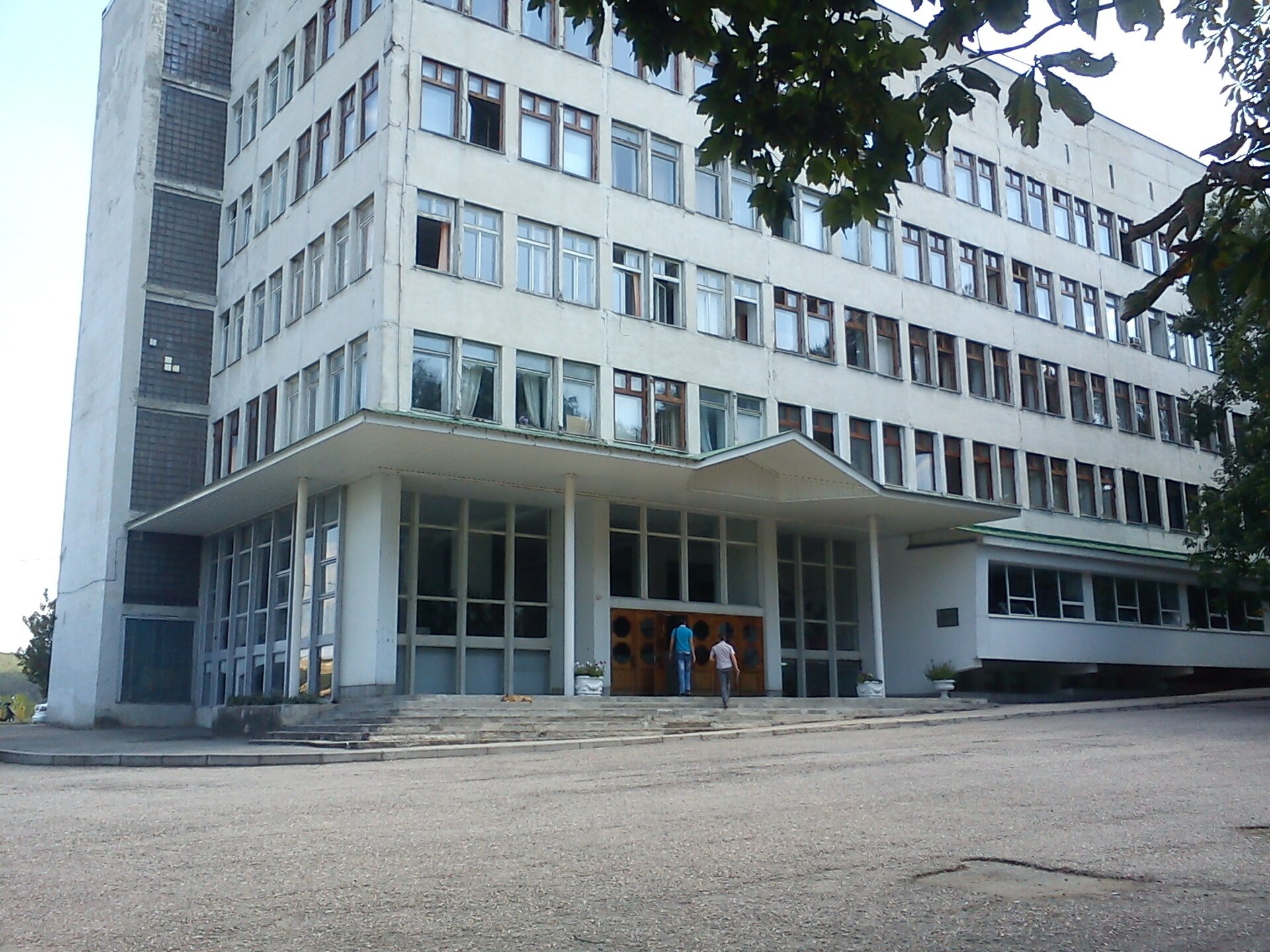
The Zoological Museum of Taurida National University is one of those quiet places in Simferopol that doesn’t immediately catch your eye but rewards those who take the time to explore it. Housed in the university’s historic building, the museum feels like a world apart from the city’s bustle. The high ceilings and hushed corridors create an atmosphere that invites visitors to slow down and step into a preserved slice of nature. There are no flashy displays or interactive screens here—just a thoughtful, understated collection that speaks to those who appreciate authenticity and detail.
The museum’s origins trace back to the late 19th century, when Taurida University first opened its doors in Simferopol. Alongside the university’s founding came the first scientific collections, assembled primarily for educational purposes. Over the decades, the museum’s holdings expanded, enriched by expeditions, donations from researchers, and contributions from enthusiasts who brought back specimens from across Russia and beyond. Today, the museum’s archives hold over twenty thousand items, ranging from delicate insects to the skeletons of large mammals. Many of these exhibits are rare not just for Crimea but for the entire country, offering a glimpse into biodiversity that few other places can provide.
The museum’s layout follows a traditional approach, showcasing representatives from all major animal groups. Visitors can examine taxidermied birds and mammals, extensive insect collections, mollusk shells, skeletons, and preserved specimens in fluid. A significant portion of the exhibits focuses on Crimea’s unique fauna, including rare birds that inhabit the peninsula’s mountains and coastlines. There are also displays dedicated to species that have vanished from the region, like the Crimean red deer, once a symbol of the local forests. Some of these exhibits carry a quiet melancholy, serving as a reminder of nature’s fragility and the importance of conservation.
One of the museum’s most fascinating sections is its insect collection, which contains thousands of specimens gathered from around the world. Here, you’ll find vibrant tropical butterflies, intricate beetles, and species so rare they exist only in specific regions. Nearby, fluid-preserved specimens reveal the hidden details of small creatures, from amphibians to arthropods, offering a closer look at the often-overlooked life thriving in ponds and forest floors. For many visitors, this section is a revelation, demonstrating just how much diversity exists in even the smallest ecosystems.
The skeleton hall is another highlight, where the bony remains of various animals are displayed with striking clarity. Among the most imposing exhibits is the skeleton of a brown bear, a species that once roamed Crimea’s forests. The hall also features skulls and bones of other mammals, birds, and reptiles, arranged in a way that feels almost like an open anatomy textbook. Some displays include explanatory labels, but even without them, the sheer variety of forms and structures tells its own story. For students and curious minds alike, this section offers a tangible connection to the natural world’s inner workings.
Beyond its permanent exhibits, the museum hosts lectures, guided tours, and temporary displays that delve deeper into specific topics. Recent themes have included Crimea’s endangered species and broader ecological issues, providing visitors with a chance to reflect on humanity’s role in conservation. These events aren’t just educational—they’re a call to consider how small actions can contribute to protecting the environment. The museum’s staff often share their expertise in ways that make complex subjects accessible, whether you’re a seasoned naturalist or a casual visitor.
Walking through the museum, you can’t help but feel the weight of its history. The old display cases, yellowed labels, and meticulous records evoke a sense of continuity, as if each specimen carries the legacy of the scientists who studied it. For university students, the museum is a bridge between theory and practice, while for others, it’s a quiet refuge where the noise of daily life fades away. There’s something deeply human about the way the exhibits are presented—not as mere objects, but as pieces of a larger narrative about life on Earth.
Simferopol is a city where past and present intertwine at every turn, and the Zoological Museum of Taurida University is a perfect example of that blend. It may not be the most crowded or glamorous attraction, but that’s part of its charm. Here, you won’t find crowds or distractions, just the opportunity to wander, observe, and perhaps see the natural world in a new light. For those who enjoy unhurried museum visits and discovering places off the beaten path, this museum offers a rare and rewarding experience. It’s a reminder that sometimes the most meaningful encounters happen in the quietest corners.