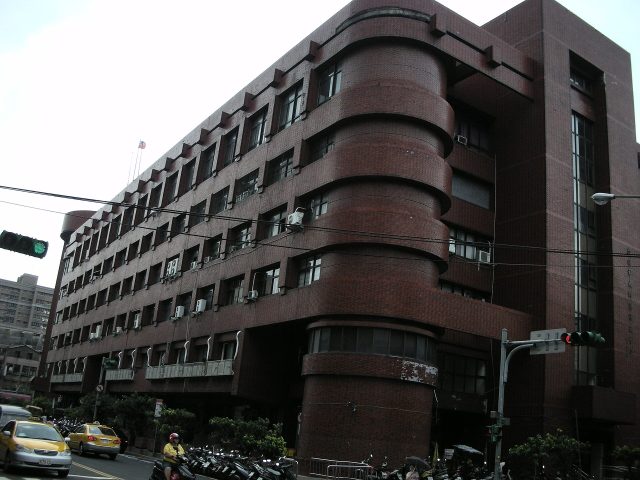
Datong Railway Station doesn’t stand out at first glance. It carries the quiet rhythm of the city’s past and present. Built in the early 20th century, it has endured through Taiwan’s Japanese colonial era and into modernity. The architecture blends practicality with subtle details—low ceilings, sturdy wooden doors, and large windows that let in soft light.
The station’s role has shifted over time.
Datong, a district in Taipei, feels slower than the rest of the capital. The station isn’t just for trains; it’s where people meet, wait, or strike up conversations. Most passengers hurry through, but those who pause might notice the marks of time on the walls or the way sunlight filters through the windows. The space holds a stillness, as if preserving the unhurried pace of an earlier era.
The building’s design reflects Japanese colonial influence, evident in its stone walls with understated carvings and wooden beams. Inside, an old clock still ticks, and the wooden benches remain. The craftsmanship is quiet but deliberate.
For locals, Datong Station is part of daily life. Elderly men play chess in the waiting area. Students rush to catch trains. Outside, a market sells fresh fruit and steamed buns. The atmosphere is unpretentious, almost familiar, as if time moves differently here.
The station isn’t a tourist attraction, but it draws those curious about Taiwan’s history. It offers a glimpse of an older Taipei. In recent years, artists and creatives have been drawn to Datong’s narrow streets and quiet corners. The station embodies that same spirit—a bridge between past and present.
If you’re in Datong, visit the station even if you’re not traveling. Sit on a bench, watch the comings and goings. The place has none of the frantic energy of Taipei’s larger stations. Trains arrive and depart, but the station invites you to linger, to wonder about the stories it holds.
Datong Station may change—restored or modernized—but for now, it remains as locals know it. For some, it’s where childhood memories were made. For others, a place to say goodbye or a familiar landmark on the way to work. The station isn’t just a building; it’s part of the city’s history, a witness to lives passing through its doors.