The Nairobi Railway Museum is a quiet corner of the city where the story of East Africa unfolds through the iron and steam of its locomotives. It stands as a testament to one of the most ambitious engineering feats of the late 19th century—the construction of the Uganda Railway, a line that stretched from the coastal city of Mombasa to Lake Victoria. This wasn’t just a railway; it was a lifeline that reshaped the region. Before its arrival, the interior of the continent was largely inaccessible, a vast expanse of untamed wilderness. The railway changed that, carving a path through dense jungles, swamps, and rugged terrain, and in the process, giving birth to Nairobi itself. What began as a modest railway depot in the middle of nowhere grew into Kenya’s capital, a city that owes its existence to the steel tracks laid over a century ago.
The museum occupies the old railway workshops, a building that has witnessed the evolution of East Africa’s transport network. Constructed in the early 1900s, its walls hold the echoes of a time when steam engines ruled the rails. Inside, the exhibits are a mix of the practical and the poignant—original blueprints, faded photographs, and hand-drawn maps that trace the railway’s expansion. The black-and-white images are particularly striking, capturing moments of triumph and hardship: workers hauling heavy beams, engineers surveying uncharted land, and the first trains chugging through landscapes that had never seen such machinery. These photographs don’t just document history; they tell a story of human determination in the face of overwhelming odds.
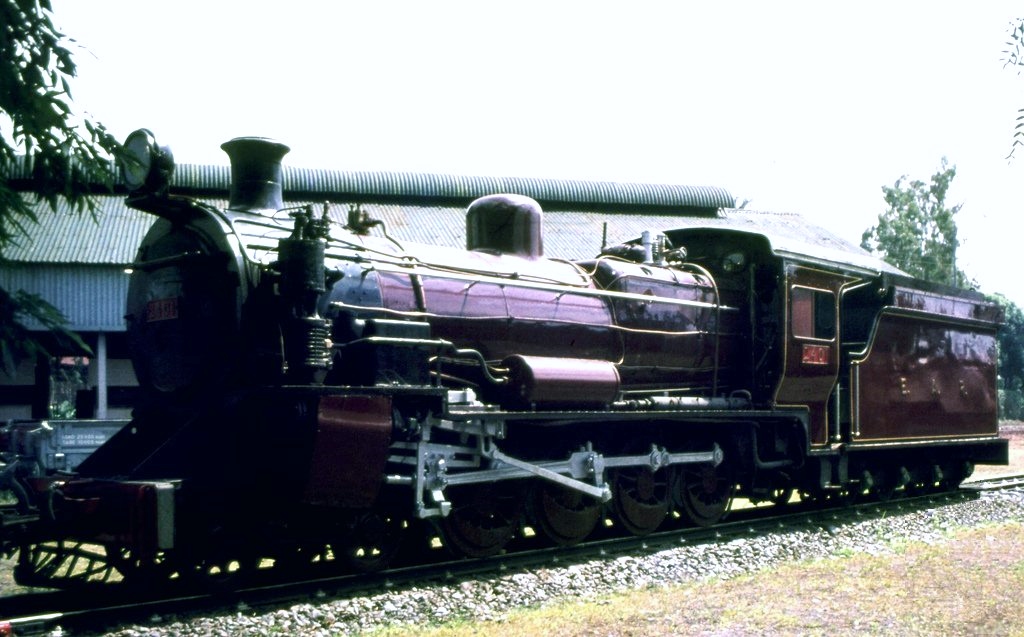
The heart of the museum is its collection of vintage locomotives and carriages, many of which are still in working order. Among them, the steam engine numbered 301, known as the Madaraka Express, stands out. It once ferried passengers between Nairobi and Mombasa in the 1970s, a journey that was as much about the experience as the destination. Nearby, the carriages offer a glimpse into a bygone era of travel. Some retain their original interiors—polished wood paneling, leather seats, and brass fittings—evoking the days when a train ride was an event, a slow and deliberate passage through the landscape. Walking through these carriages feels like stepping into a time capsule, where the clatter of wheels on tracks and the hiss of steam were the soundtrack to adventure.
One of the museum’s most compelling exhibits is dedicated to the infamous "Man-Eaters of Tsavo," a pair of lions that terrorized railway workers in the 1890s. The attacks, which claimed dozens of lives, became the stuff of legend, inspiring books and films. The museum displays photographs, documents, and even taxidermied lions, though their authenticity is debated. Regardless, the story serves as a stark reminder of the dangers faced by those who built the railway. The wilderness was not just an obstacle to be overcome; it was a force to be reckoned with, and the railway’s construction was as much a battle against nature as it was an engineering challenge.
Beyond the past, the museum also explores the railway’s role in shaping modern Kenya. After independence, the country inherited a network that had been the backbone of its economy for decades. While much of it has since fallen into disrepair, efforts are underway to revive and modernize the system. Exhibits showcase models of contemporary trains and plans for new routes, including connections to neighboring countries. These displays hint at a future where the railway once again becomes a vital link, not just within Kenya, but across East Africa.
For those with a technical bent, the museum offers a closer look at the mechanics behind the history. Displays feature spare parts, tools, and even old tickets priced in shillings, offering a tactile connection to the past. The engineering schematics of bridges and tunnels, drawn over a century ago, reveal the ingenuity required to build such structures with the limited technology of the time. Some exhibits invite interaction, making the museum a hands-on experience, especially for younger visitors. It’s one thing to read about history; it’s another to touch the rusted metal of a bygone era and imagine the hands that once shaped it.
The atmosphere inside the museum is one of quiet reflection. The wooden floors creak underfoot, and the air carries the faint scent of oil and aged paper. Occasionally, the murmur of schoolchildren on a field trip breaks the silence, their voices filled with curiosity. This isn’t a place designed for spectacle; it’s a space for contemplation, where the weight of history is palpable. The museum doesn’t need to shout to be heard. Its exhibits speak for themselves, telling a story of progress, perseverance, and the enduring impact of the railway on Kenya’s identity.
A visit to the Nairobi Railway Museum doesn’t take long, but it leaves a lasting impression. It’s more than a collection of old trains; it’s a narrative about how a single railway line transformed a continent. For some, it’s a chance to revisit history lessons from long ago. For others, it’s an opportunity to imagine what travel was like in an era when the journey was as important as the destination. And for Kenyans, it’s a reminder of a time when their country was at the center of global change, when the railway was both a symbol of colonial ambition and a catalyst for the future. The tracks may have rusted in places, but the story they tell is far from over.