Perched on a quiet hillside above the Crimean coast, Zagaytan Monastery feels like a place where time moves differently. It sits far from Sevastopol’s busy waterfronts and tourist trails, hidden among low hills covered in oak and juniper. The road winding up to it is narrow and uneven, as if discouraging casual visitors, and the monastery itself appears only at the last moment, tucked behind a stone wall that blends into the landscape. There are no crowds here, no souvenir stalls, no guides rushing you along—just old walls, the occasional toll of a bell, and the scent of dry grass mingling with the salt of the sea.
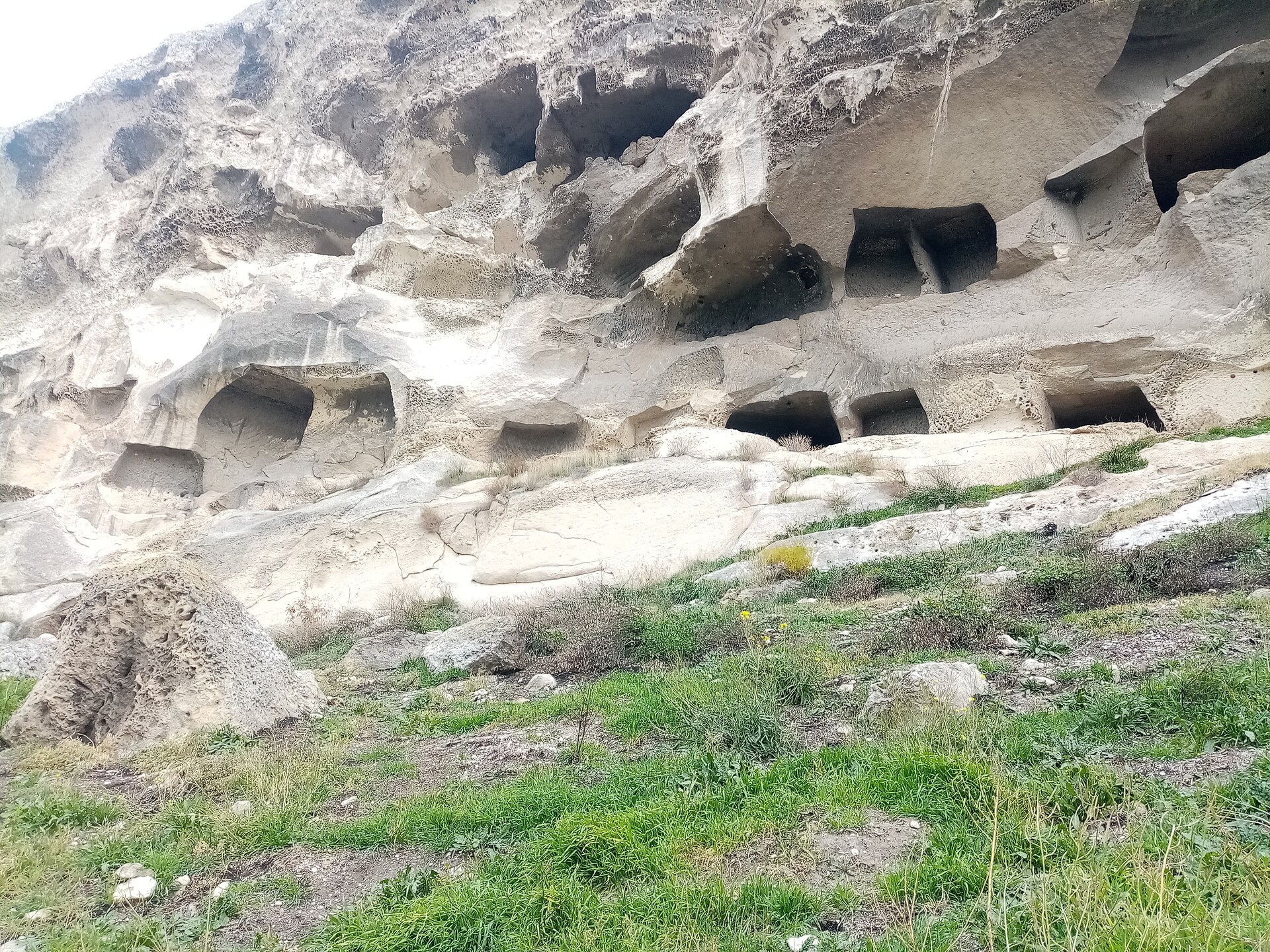
The monastery’s history is as layered as the rock it’s built upon. The first monks arrived in the 18th century, not long after Crimea became part of the Russian Empire. They carved cells into the cliffs, lived in caves, and prayed in solitude, far from the noise of the world. Over time, the small community grew, and simple stone buildings replaced the earliest shelters. The monastery endured wars, revolutions, and decades of Soviet neglect, when its halls were repurposed for storage or left to crumble. It wasn’t until the late 20th century that the church reclaimed the site, and monks began the slow work of restoration.
What makes Zagaytan unusual is its lack of grandeur. Unlike the towering cathedrals of Moscow or St. Petersburg, this place is modest, almost unassuming. The main church is small, with a single dome made of local limestone, its walls weathered by time. Inside, there are no gilded iconostases or famous frescoes—just plain wooden benches, simple icons, and a quiet dimness pierced by slivers of light from narrow windows. The bell tower nearby offers a view of the valley below, where the sea stretches out to the horizon, and the town of Balaklava nestles at the foot of the hills. On clear days, the water shimmers like a sheet of metal, and the old Genoese fortress by the harbor looks like a toy from this height.
The monastery is deeply connected to the land around it. The cliffs are riddled with caves—some once used as cells, others as chapels. One of them is said to have been home to a hermit who predicted Sevastopol’s fall during the Crimean War. Now the caves stand empty, but they still carry a sense of the past, cool in summer and windswept in winter. The monks cultivate vineyards and gardens on the slopes, growing their own food and making wine using old methods. The land here is rocky and difficult to farm, but the effort gives the place a feeling of self-sufficiency, as if it could exist entirely apart from the outside world.
Zagaytan is still an active monastery, though it welcomes more than just pilgrims. People come here for silence, for a break from the noise of cities, or simply to walk the paths without hurry. There are no luxury guesthouses or restaurants—just basic rooms for visitors and a refectory where meals are plain but filling. You can wander the grounds, climb the bell tower, or visit the spring near the monastery, which locals believe has healing properties. The water is icy and clear, and whether or not it has any special power, drinking it feels like part of the ritual of being here.
Life in the monastery follows a rhythm set centuries ago. Days begin with early prayers, followed by work in the gardens, kitchens, or workshops. Evenings bring another service, and then silence. For outsiders, this pace can feel strange at first—there’s no rush, no small talk, no background noise. Visitors often find themselves slowing down without meaning to, speaking softer, moving more deliberately. The wind rustling through the trees and the distant sound of bells become the only soundtrack.
This isn’t a place you can tick off a list in an hour. Zagaytan asks for patience, for a willingness to sit still and listen. There are no grand attractions here, no guided tours, no Instagram-worthy backdrops—just the quiet persistence of stone and sky. Maybe that’s why people keep coming back, even those who don’t consider themselves religious. In a world that moves too fast, the monastery offers something rare: a chance to step out of time, if only for a little while. It doesn’t demand faith or devotion, just the openness to notice what’s already there—the way the light falls on the walls, the sound of footsteps on gravel, the weight of centuries pressing gently against your shoulders.