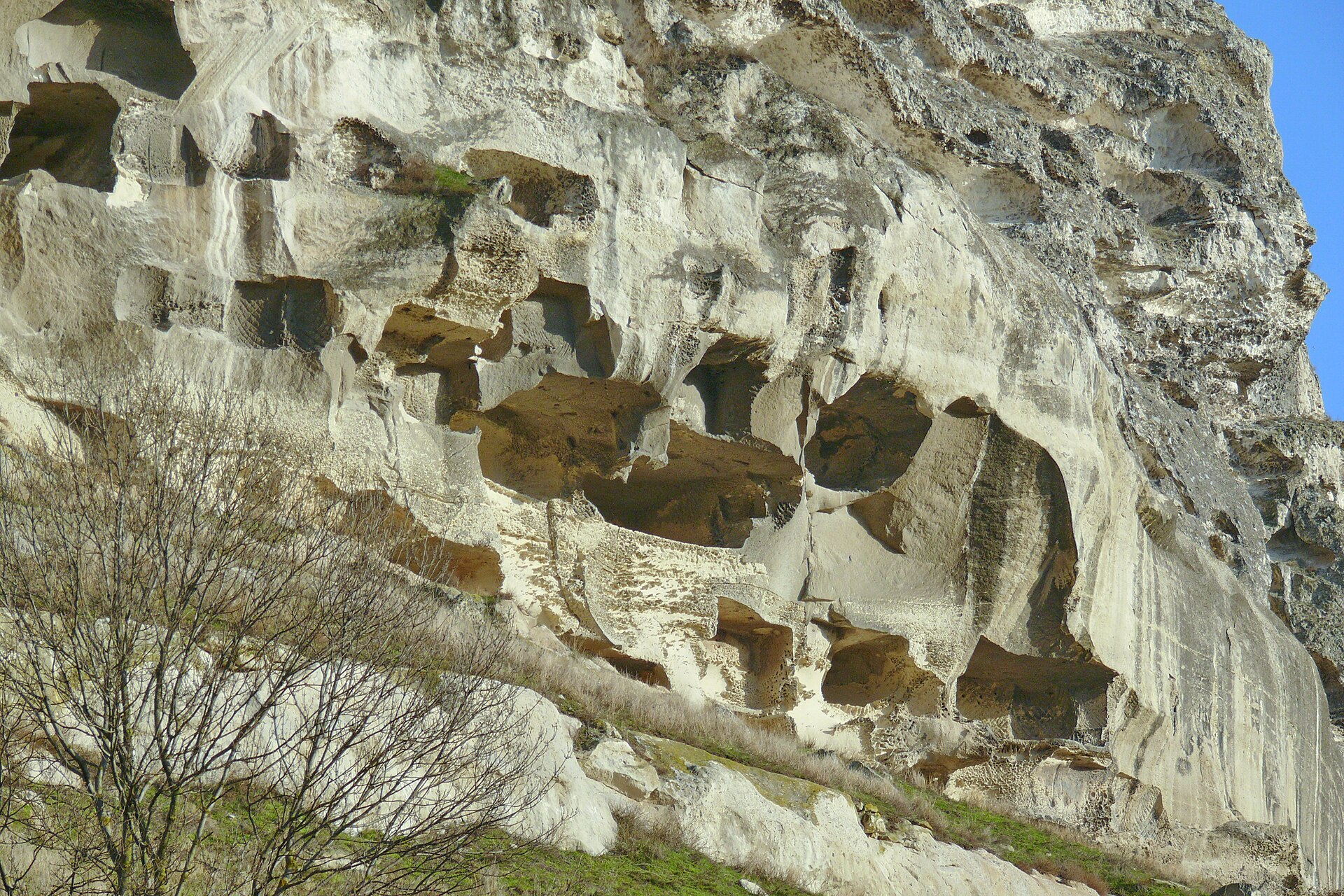
Perched on a quiet plateau above the Crimean coastline, Zagaytan Isar is one of those places that time seems to have forgotten. Unlike the well-trodden paths of Sevastopol’s more famous landmarks, this site remains largely untouched by mass tourism, its modest ruins whispering stories of a distant past. The term *isar* refers to the remnants of fortified settlements scattered across the Crimean mountains, built between the 6th and 15th centuries when the peninsula was a crossroads of empires—Byzantine, Khazar, Genoese, and others. Zagaytan is neither the largest nor the most dramatic of these sites, but its understated presence offers a rare glimpse into the everyday lives of those who once called this windswept hilltop home.
Reaching Zagaytan Isar is part of the experience. The journey begins near the village of Ternovka, where the road narrows into a winding trail through oak and juniper forests. The path is rough, accessible only on foot or by off-road vehicle, and each turn reveals another layer of the landscape—rocky cliffs, hidden coves, and the distant shimmer of the Black Sea. The isar itself sits on a small plateau, its edges defined by natural precipices. In medieval times, this was a strategic choice: the steep drop on one side made approach difficult, while the open ground ahead allowed defenders to spot intruders long before they arrived. The location wasn’t just practical; it was a statement of resilience in a land where survival often depended on vigilance.
Archaeologists believe the settlement here flourished between the 8th and 15th centuries, though its exact origins remain debated. Some suggest it was established by the Byzantines or their allies as a lookout post along coastal trade routes, while others argue it later served the Genoese as a temporary refuge. What remains today are fragments of dry-stone walls, built without mortar in the traditional Crimean style. The walls, up to five feet thick in places, once stood at least ten feet high, their rough-hewn stones fitted together with surprising precision. Inside the perimeter, the outlines of dwellings, storage pits, and cisterns are still visible, along with traces of fire—silent evidence of the conflicts that shaped this place. There are no grand palaces or ornate temples here, just the skeletal remains of a community that lived, worked, and fought on this exposed ridge.
Zagaytan was never a bustling city or a mighty fortress. Instead, it was a small, self-sufficient outpost, home to perhaps a few dozen people—soldiers, craftsmen, maybe even monks. Life here would have been harsh. The soil was poor, water scarce, and the winters bitter. The inhabitants relied on what they could grow, gather, or trade, herding livestock on the sparse grasslands and fishing in the nearby bays. When danger came, they retreated behind the walls, hoping the threat would pass. The simplicity of the ruins makes them all the more compelling. There are no towering monuments to obscure the reality of their existence—just the bones of a settlement that endured for centuries before fading into the landscape.
Today, the isar is little more than a scattering of low stone walls and grass-covered mounds, blending into the hillside as if nature is slowly reclaiming it. But look closer, and the ingenuity of its builders becomes clear. The stones are carefully aligned, the pathways between structures deliberately placed. In some spots, steps carved into the rock lead to now-dry cisterns or watchtowers. In summer, the plateau is quiet, the only sounds the rustle of wind through the grass and the occasional cry of a bird. Winter transforms the scene entirely; snow blankets the ruins, lending them an eerie, almost sacred stillness. On clear days, the view stretches to the sea and the surrounding mountains—a panorama unchanged for a thousand years.
Visiting Zagaytan Isar isn’t like touring a museum or a restored castle. There are no information boards, no crowds, no souvenir stalls. What you find instead is a sense of solitude and a connection to the past that feels almost personal. The absence of modern intrusions makes it easier to imagine the people who once lived here: the sentries scanning the horizon, the families huddled around fires, the blacksmiths shaping tools from iron. Some visitors come for the photographs, others for the silence, and a few simply to stand where history once unfolded. The place doesn’t demand attention; it invites contemplation.
In recent years, interest in Crimea’s isars has grown, and that’s a good thing—it means these sites are less likely to be forgotten. But they are fragile. The stones that have lain undisturbed for centuries can be shifted or carried away, and careless footsteps can damage the layers beneath. If you come here, treat it as you would a sacred space: leave no trace, take nothing but memories, and walk lightly. The goal isn’t to preserve Zagaytan as a monument, but to let it remain what it has always been—a quiet witness to the passage of time.
For those willing to make the journey, Zagaytan offers more than just a view. It’s a chance to see Crimea beyond the postcard images, to step into a landscape that has changed little since the Middle Ages. The hike is not an easy one, and the site itself requires patience to appreciate. But those who make the effort are rewarded not just with scenery, but with something harder to define: a sense of continuity, a reminder that history isn’t just something we read about. Here, among the stones and the wind, it’s still alive.