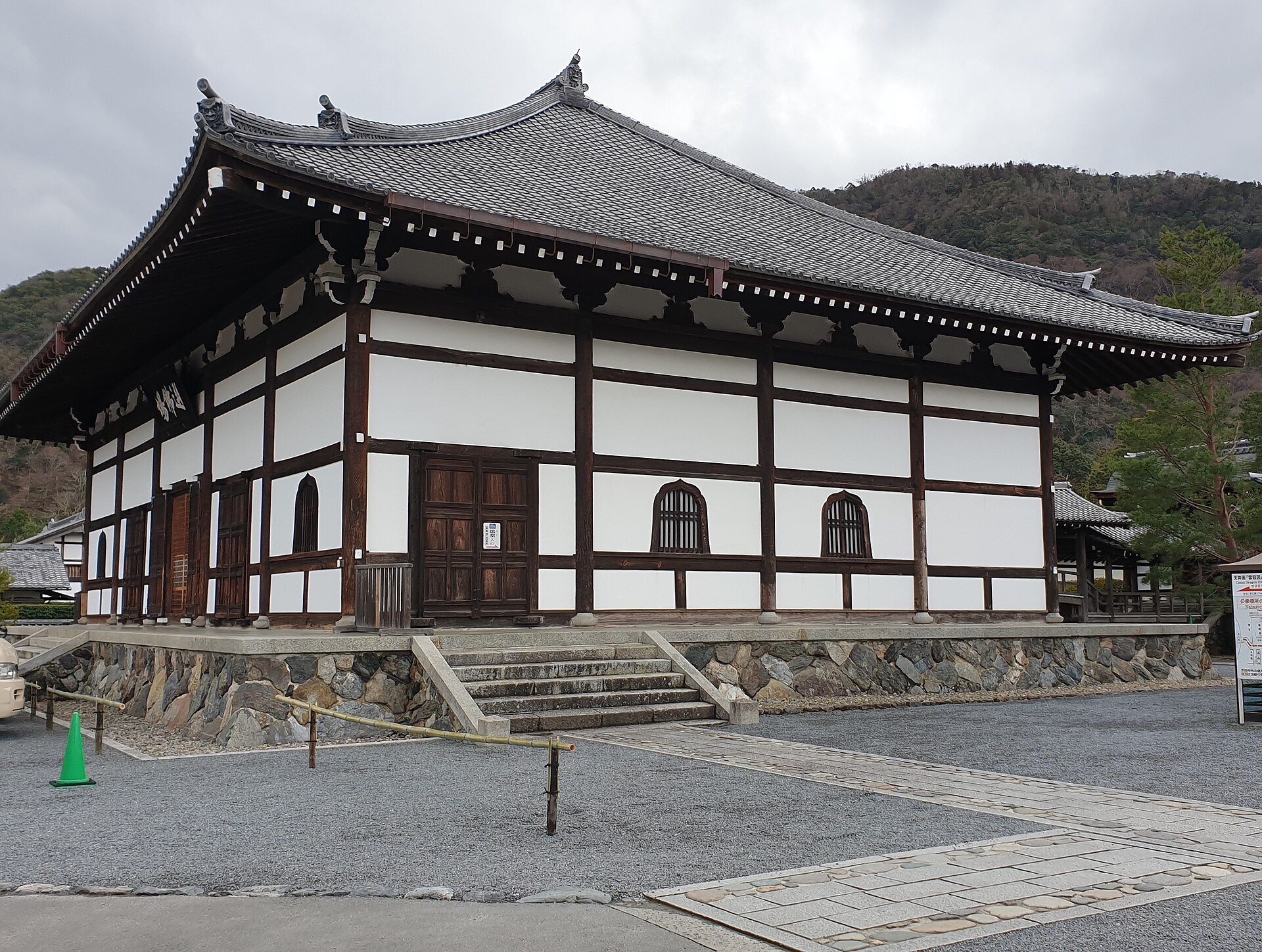
Tucked away in the western hills of Kyoto, Tenryu-ji feels like a quiet pause in the city’s relentless pace. The temple sits in Arashiyama, where thick bamboo groves rise against low, wooded slopes that shift with the seasons—soft pink in spring, golden in autumn. It’s not just another landmark; it’s a place that has endured fires, wars, and centuries of change while somehow holding onto its sense of calm.
Founded in the 14th century, Tenryu-ji was commissioned by Emperor Kameyama as a memorial to his predecessor, Emperor Go-Daigo. The location wasn’t chosen at random. Long before the temple stood here, the land belonged to an aristocrat’s villa, and the landscape itself echoed the ink paintings of Chinese masters that the emperor admired. At the time, Kyoto was the heart of Japan’s cultural and political life, and Tenryu-ji became more than a spiritual site—it was a gathering place for poets, artists, and monks who shaped the era’s intellectual currents.
The temple’s architecture reflects the Japanese ideal of harmony between human craft and nature. The main hall, the honden, faces a pond that anchors the garden, its water always moving, its stones and plants arranged to look untouched by design. This garden is one of Japan’s oldest, created by the Zen master Muso Soseki, who sought to capture the essence of eternity through simplicity. The way light filters through the trees, the way the pond reflects the sky—it all feels deliberate, yet effortless.
Inside, the temple’s halls serve different purposes, each with its own character. The meditation hall features paintings of dragons, symbols of wisdom and protection, coiled across the walls. A statue of Shakyamuni Buddha draws pilgrims, while the wooden beams and sliding doors, some still original, bear the marks of time. The temple has burned and been rebuilt many times, but these details remain, as if to remind visitors that impermanence is part of its story.
Tenryu-ji is deeply rooted in Zen Buddhism, a tradition that has shaped much of Japanese culture. Meditation sessions and rituals are still held here, open to anyone willing to sit in silence. The monks follow a strict discipline, yet they welcome guests with quiet warmth. Unlike some of Kyoto’s more crowded spots, Tenryu-ji rarely feels overrun, even during peak seasons. There’s space to breathe, to listen to the wind in the bamboo, to watch the carp glide beneath the pond’s surface.
The temple’s surroundings are just as compelling. The famous Arashiyama bamboo grove begins at its gates, stretching for hundreds of meters like a living cathedral. Walking through it is an experience in itself—the way sunlight dapples the ground, the way the stalks sway in the wind. Nearby, the Hozu River flows past, its banks lined with cherry blossoms in spring and fiery maples in autumn. The river’s presence adds another layer to the landscape, a sense of movement that contrasts with the temple’s stillness.
What makes Tenryu-ji special isn’t just its beauty, but the way it invites you to slow down. There’s no rush here, no need to snap the perfect photo or check off a list of sights. You can sit on a wooden bench by the pond, watch the carp drift lazily, or simply close your eyes and let the scent of damp earth and pine fill your lungs. The temple doesn’t try to impress; it simply exists, offering a rare kind of quiet in a world that rarely stops.
The seasons transform Tenryu-ji in subtle ways. In spring, plum and cherry blossoms bloom along the paths. Summer brings lush greenery, while autumn turns the maples into a blaze of red and gold. Winter coats the temple in a thin layer of frost, turning it into a scene from an old painting. Each season reveals something new, even to those who have visited before.
Today, Tenryu-ji remains an active temple, home to monks who continue its traditions. It hasn’t been turned into a museum, though it welcomes visitors from all over the world. That might be why it feels different from other historic sites—less like a relic, more like a place where the past is still alive. For many, Tenryu-ji isn’t just a stop on a Kyoto itinerary. It’s a place that lingers, long after you’ve left.