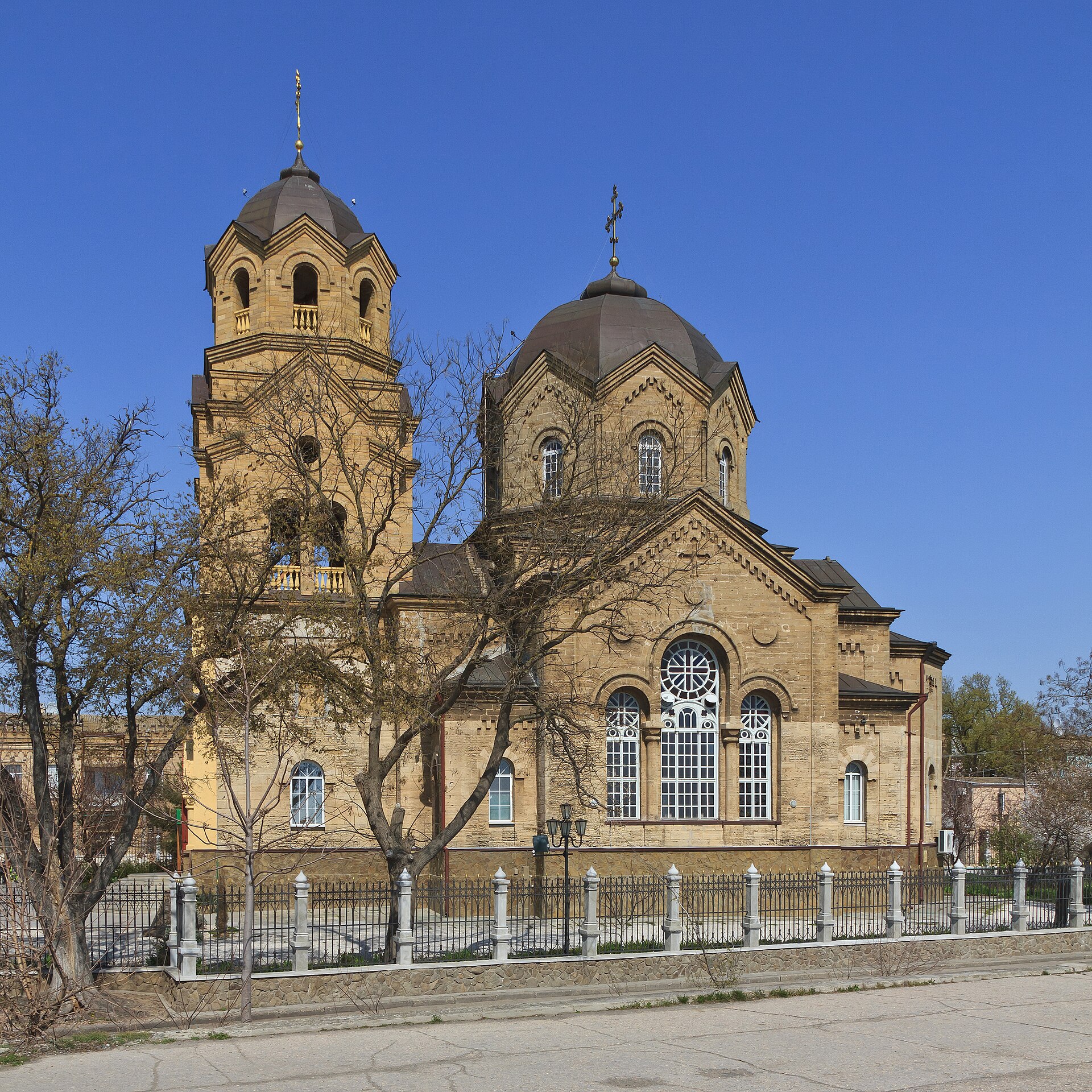
The Church of the Holy Prophet Elijah in Yevpatoria is one of those rare places where time seems to slow down, as if the weight of history lingers in the air. Perched on a gentle hill, it overlooks the city and the sea, its white walls and single dome catching the light in the soft glow of morning or the golden hues of evening. The building is modest in size, yet its presence is striking—a quiet sentinel amid the changing tides of the Crimean coast. Inside, the space feels open and serene, the silence broken only by the occasional rustle of prayer books or the soft footsteps of those who come to pray.
Yevpatoria has long been a crossroads of cultures, a place where different faiths and traditions have coexisted for centuries. The Orthodox community here has always played a vital role in the city’s life, and the Church of St. Elijah emerged during a period of growth in the late 19th century. At the time, Yevpatoria was flourishing as both a resort destination and a bustling port, and new buildings were rising across the city. Yet this small church became more than just another structure—it became a symbol of the spiritual life that anchored the community.
The architecture is simple, almost austere, but there’s a quiet elegance to it. The white stone walls, tall windows, and traditional dome with its cross follow the classic Russian Orthodox style of the era. Inside, the walls are adorned with frescoes depicting scenes from the life of the Prophet Elijah and other biblical stories. The iconostasis, crafted from wood and intricately carved, holds icons painted in a traditional style, free from excessive ornamentation. The overall effect is one of reverence, a space designed not for grandeur, but for reflection.
Like many religious sites in Russia, the church has endured its share of hardship. During the Soviet era, it was closed and repurposed as a warehouse, its sacred purpose forgotten. It wasn’t until the 1990s that the building was returned to the faithful, and restoration began. Today, it stands as an active place of worship once again, drawing not only locals but also visitors who come to light a candle, offer a prayer, or simply sit in the stillness, surrounded by the flickering glow of icons.
The church comes alive during its feast days, particularly the celebration of the Prophet Elijah in late July. On this day, the streets around the church fill with people from Yevpatoria and beyond, gathering for services and a procession. The summer heat adds to the sense of occasion, as the city’s seasonal visitors—many of whom come to Crimea for its beaches—often make their way to the church, seeking a moment of quiet amid the holiday bustle.
Even on ordinary days, the church is rarely empty. Some come to pray, others to find a moment of solitude away from the noise of the city. A small garden surrounds the building, offering benches where visitors can sit and gather their thoughts. Unlike the crowded tourist spots along the coast, this place remains peaceful, a refuge for those who value stillness over spectacle.
What makes the Church of St. Elijah special is its ability to bridge the past and present. It’s not just a historical monument but a living part of Yevpatoria’s identity. The city is often associated with its beaches and resorts, yet this church reminds visitors that there’s another layer to its story—one of faith, resilience, and continuity. Standing inside, it’s easy to imagine the generations who have come here before, their voices echoing in the quiet, their prayers lingering in the air. In a world that moves too quickly, places like this offer a rare chance to pause and remember what endures.