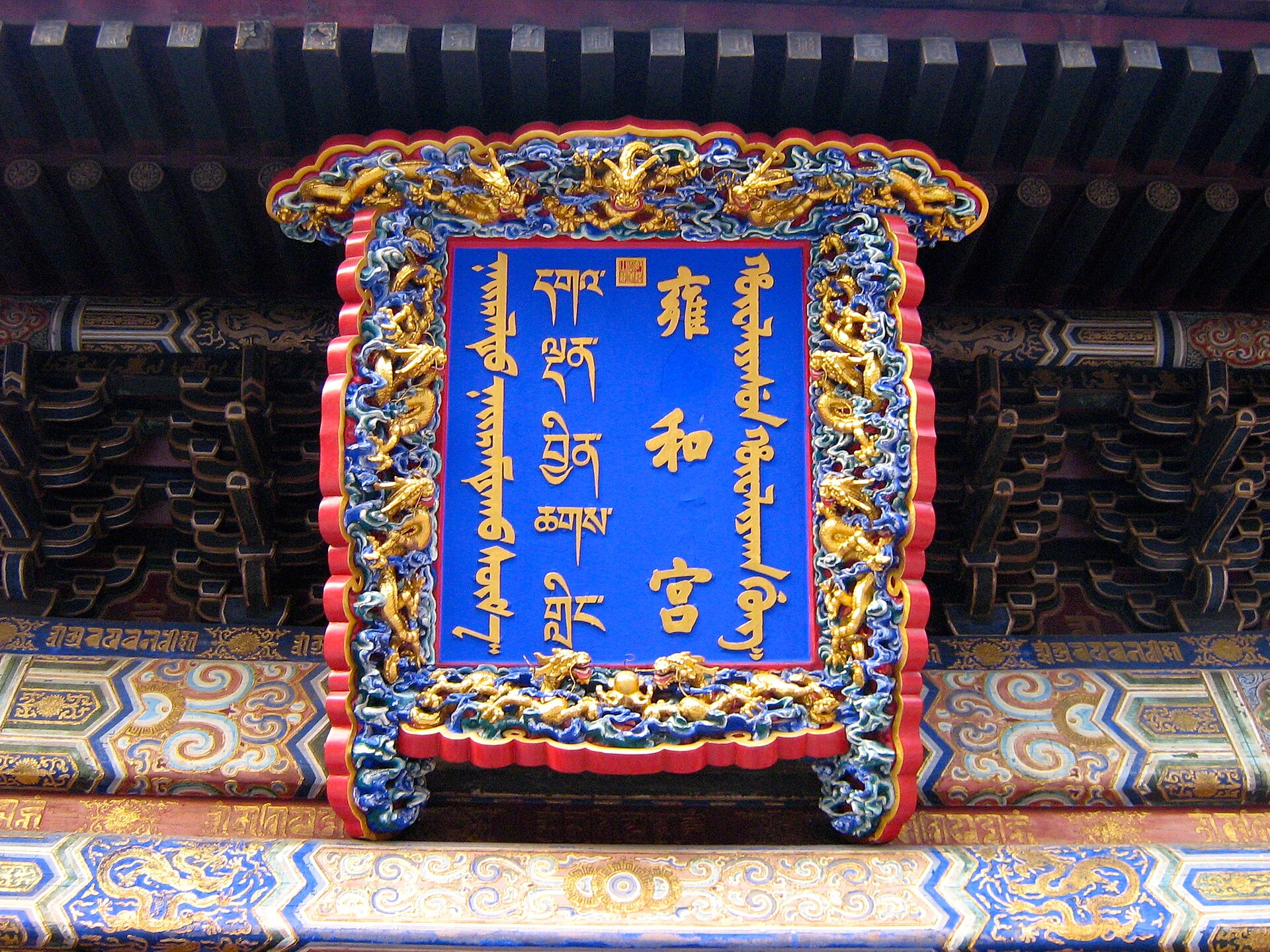
Yonghegong, or the Lama Temple, is one of those rare places in Beijing where the rush of the modern world seems to fade into the background. Tucked away in the northern part of the city, it’s more than just a Buddhist monastery—it’s a living piece of history, a testament to China’s spiritual and architectural heritage. The moment you step through its ornate gates, the noise of the streets gives way to an almost tangible stillness. The courtyards, once filled with the quiet footsteps of monks in meditation, now welcome visitors who come to experience a tradition that has endured for centuries.
The temple’s origins trace back to the late 17th century, when it was built as a lavish imperial palace for Prince Yin Zhen, who would later become the Yongzheng Emperor. For years, this was his private residence, a place of gardens, pavilions, and serene ponds where he spent his days before ascending the throne. After his death, the palace was converted into a monastery, a decision that reflected the growing influence of Tibetan Buddhism in the Qing court. This transformation turned Yonghegong into one of the most important centers of Lamaism in China, drawing pilgrims, scholars, and curious minds from across the country.
What makes Yonghegong’s architecture so striking is the way it blends Chinese and Tibetan styles. The main gates are adorned with vibrant colors and gold leaf, leading into a series of halls, each dedicated to a different deity or aspect of Buddhist teaching. The most awe-inspiring of these is the Hall of Ten Thousand Happinesses, home to an enormous statue of Maitreya Buddha carved from a single sandalwood trunk. Standing at nearly eighteen meters tall, the statue is a marvel of craftsmanship, its surface smooth and polished, surrounded by thousands of smaller Buddha figures that seem to stretch into infinity. The sheer scale of it leaves visitors with a sense of reverence, a reminder of the devotion that went into its creation.
Beyond its religious significance, Yonghegong holds a treasure trove of knowledge in its library. Here, ancient Buddhist texts written in Sanskrit, Tibetan, and Chinese are preserved on silk scrolls and palm leaves, some adorned with intricate miniature illustrations. While access to the original manuscripts is restricted, the temple’s museum offers a glimpse into this spiritual legacy, displaying replicas and explaining the history behind these sacred writings. For those interested in the intellectual and artistic traditions of Asia, it’s a rare opportunity to connect with the past.
The temple’s atmosphere shifts with the seasons, each bringing its own kind of magic. In spring, the blossoming apricot and peach trees fill the air with fragrance, mingling with the scent of burning incense. Summer offers respite from Beijing’s heat under the shade of ancient trees, while autumn paints the temple in warm hues, the golden leaves contrasting with the deep reds of the buildings. Winter, though quieter, transforms Yonghegong into something almost otherworldly. When snow dusts the rooftops and courtyards, the only sounds are the distant chime of bells and the murmur of prayers, making it easy to forget the bustle of the city just beyond the walls.
Yonghegong is deeply woven into the cultural fabric of Beijing. Throughout the year, it hosts Buddhist festivals that draw crowds of devotees and curious onlookers alike. During celebrations like Buddha’s birthday or Losar, the Tibetan New Year, the temple comes alive with chanting, the spinning of prayer wheels, and the rich aroma of butter lamps and herbs. For visitors, these events offer a chance to witness living traditions, not just relics of the past. The rituals, passed down through generations, create a sense of continuity that feels both ancient and immediate.
Despite its religious importance, Yonghegong remains a place of openness. There’s no pressure to participate—you can simply sit on a bench in one of the courtyards, watching monks in their crimson robes move quietly between halls, or light incense at an altar, following the gestures of those around you. Many come here seeking a moment of peace, a break from the relentless pace of the city. Even on the busiest days, the temple retains a meditative calm, as if the centuries of devotion have left an indelible mark on the very air.
What makes Yonghegong truly special is how it embodies the meeting of different worlds. Here, Chinese and Tibetan traditions coexist, imperial grandeur gives way to monastic simplicity, and ancient rituals find a place in modern life. It’s a reminder that history isn’t just something to be observed from a distance—it can be felt, experienced, and even carried with you. Whether you’re drawn by the architecture, the spirituality, or simply the quiet beauty of the place, Yonghegong offers something rare: a chance to step outside of time, if only for a little while.