- Home
- South Africa
- Rudepurth
- Walter Sisulu National Botanical Garden
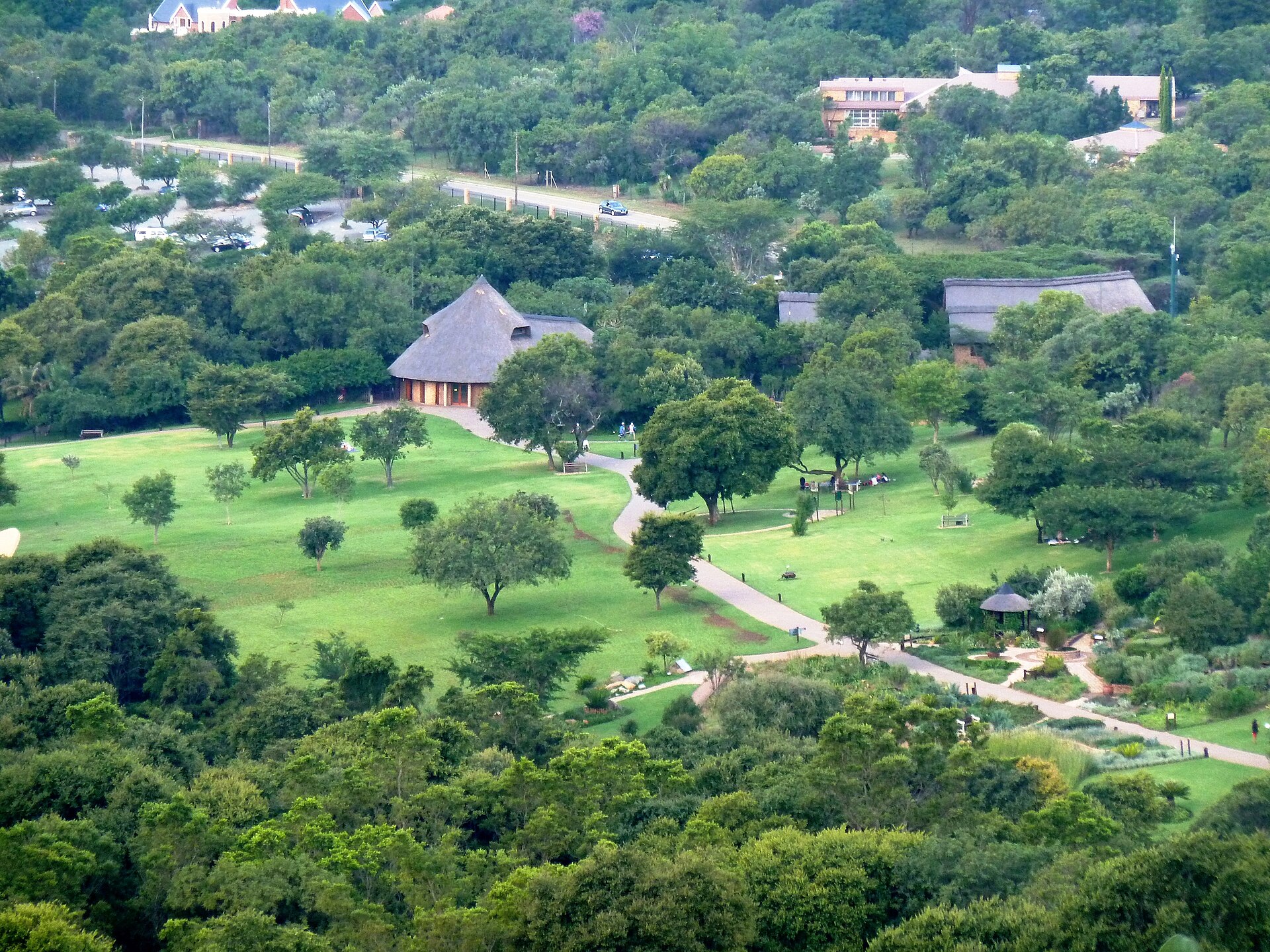
Photo: JMK, CC BY-SA 3.0
Walter Sisulu National Botanical Garden
out of 5 0 ratingsNestled on the outskirts of Johannesburg, the Walter Sisulu National Botanical Garden feels like a secret the city keeps to itself—a place where the wild beauty of South Africa unfolds in quiet defiance of urban sprawl. Unlike the manicured gardens of Europe, with their orderly flowerbeds and symmetrical designs, this space embraces the untamed. Rolling hills give way to hidden waterfalls, and the air carries the scent of damp earth and eucalyptus, as if the land itself is breathing. It’s a reminder of what this corner of the world looked like long before highways and skyscrapers took over, a living snapshot of a landscape that has endured far longer than the cities built upon it.
The garden takes its name from Walter Sisulu, a towering figure in South Africa’s struggle against apartheid and a lifelong ally of Nelson Mandela. The choice of name is deliberate, tying the preservation of nature to the broader ideals of freedom and dignity that defined the country’s turbulent history. Established in 1982 on a modest patch of land near Roodepoort, the garden was initially conceived as a sanctuary for indigenous flora. Over the decades, it has grown into something far greater—a refuge for rare plants and wildlife, a research hub, and a beloved escape for Johannesburg’s residents. It’s a place where the past and present coexist, where the legacy of activism meets the quiet resilience of the natural world.
The heart of the garden is the Witpoortjie Waterfall, a twenty-meter cascade that tumbles down a rocky face, its mist creating a microclimate perfect for moisture-loving plants. During the rainy season, the water roars with such force that its sound carries across the valley, drowning out the distant hum of the city. Trails wind around the falls, leading to viewpoints where the sheer cliffs and dense greenery stretch as far as the eye can see. Standing there, it’s easy to forget that downtown Johannesburg is just a thirty-minute drive away. The waterfall isn’t just a scenic attraction; it’s a lifeline for the ecosystem, sustaining species that thrive in its cool, damp embrace.
The garden is a celebration of South Africa’s unique botanical heritage, with a focus on plants found nowhere else on earth. Succulents and proteas take center stage, their striking forms and vibrant colors drawing the eye. Proteas, in particular, are a marvel—some resemble alien sculptures, their petals unfurling in fiery hues of red, orange, and yellow. Many of the species here are endangered, and the garden plays a crucial role in their conservation, with botanists working to propagate and protect them. Summer transforms the landscape into a riot of color, as flowers bloom in abundance, attracting not just visitors but also a dazzling array of birds. Among them are the sugarbirds, tiny creatures with iridescent plumage that flit between the blooms like living jewels. Spotting one feels like stumbling upon a hidden treasure.
For those who prefer to explore on foot, the garden offers a network of trails catering to different levels of difficulty. The most popular route leads to the waterfall, a leisurely hour-long walk that winds through indigenous thickets and across gentle slopes. While the path is accessible to most, some sections are steep, so sturdy shoes are a wise choice. Longer trails ascend the hills, rewarding hikers with sweeping views of the surrounding landscape. Along the way, informative signs identify plants and wildlife, turning a simple stroll into an impromptu lesson in ecology. Early mornings are particularly magical, when the air is cool and the sunlight filters through the leaves in golden shafts. It’s a time when the garden feels most alive, before the heat of the day sets in.
Beyond its role as a recreational space, the Walter Sisulu National Botanical Garden is an active center for research and education. Scientists here study biodiversity and conservation, while programs for schoolchildren and students aim to foster a deeper understanding of the natural world. Guided tours, often held in the summer, delve into the garden’s history, its ecological significance, and the challenges of preserving fragile ecosystems. For younger visitors, interactive sessions explore how plants adapt to drought or why certain flowers release their fragrance only at night. These efforts ensure that the garden is more than just a pretty place—it’s a classroom without walls, where curiosity is the only prerequisite.
The atmosphere here is one of quiet wildness, a stark contrast to the rigid formality of European parks. There are no perfectly trimmed lawns or sculpted hedges, just the raw, unfiltered beauty of the Highveld. On weekends, families gather for picnics on the grass, children chase butterflies, and couples sit by the waterfall with books in hand. Weekdays are quieter, offering a chance to experience the garden in solitude, with only the calls of birds and the rush of water breaking the silence. As evening falls, the air fills with the scent of wild herbs, and the setting sun paints the hills in warm tones. It’s a moment when time seems to slow down, when the noise of the city fades into the background.
Despite its popularity, the garden never feels crowded. Unlike the bustling national parks, where tourists flock to see the Big Five, this is a place where you can find solitude even in peak season. A secluded bench beneath a tree, a quiet corner by the stream—these are the spots where visitors come to think, to breathe, or simply to be. It’s this sense of intimacy that endears the garden to locals. For some, it’s a weekly ritual, a chance to reconnect with nature amid the chaos of modern life. For others, it’s a place to bring their children, to show them the beauty of their homeland before it’s lost to time. And for many, it’s simply a sanctuary, a quiet corner where the mind can wander freely.
The Walter Sisulu National Botanical Garden is more than a destination; it’s a testament to the enduring relationship between people and the land they inhabit. It reminds visitors of the fragility of nature and the responsibility we bear in protecting it. Photographers will find endless inspiration in the play of light and shadow among the trees, while botanists will appreciate the rare species that call this place home. But for most, the garden’s greatest gift is its ability to offer something intangible—a sense of peace, a moment of reflection, a connection to something larger than oneself. It doesn’t demand attention or impose expectations. Instead, it invites you to step away from the rush of daily life and rediscover the quiet wonders that have always been there, waiting.
Day around this place
Where else to go on the same day
Building the day…
Where it is
-26.08700, 27.84000