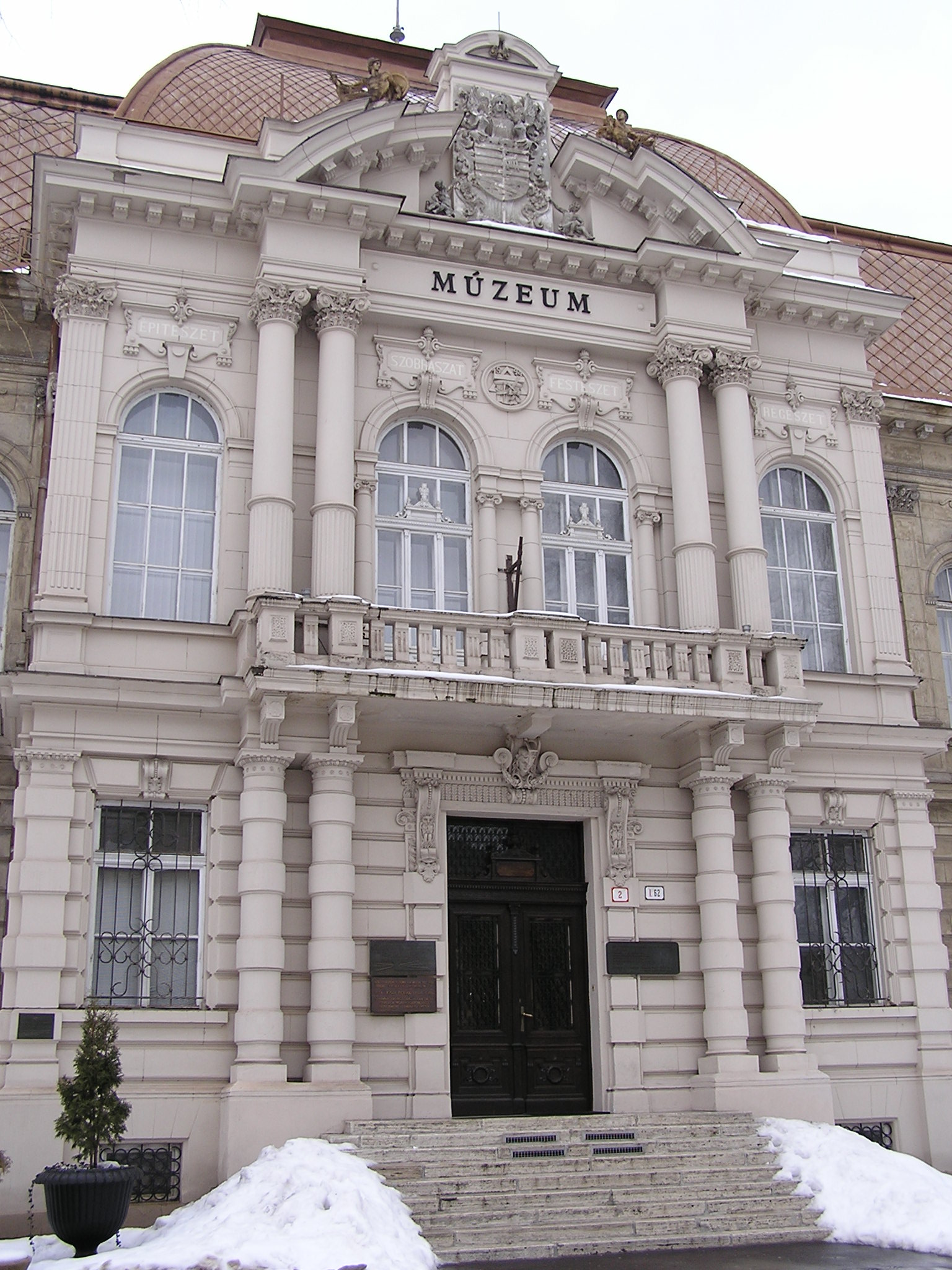
The East Slovak Museum in Košice’s Old Town is one of those places that quietly becomes part of the city’s rhythm, holding far more than it first appears. Housed in a building that itself tells a story, it stands in the heart of the city, its architecture a blend of late 19th-century Neo-Renaissance and Neoclassical styles. The façade, with its tall windows and balanced details, doesn’t demand attention, but it fits seamlessly into the main square’s historic ensemble, where every stone seems to carry the weight of the past.
Founded in 1872, the museum emerged during a time when Košice, like many cities in the Austro-Hungarian Empire, was asserting its cultural identity. Its earliest collections began with private donations—antique objects, coins, and documents—given by locals who wanted to preserve their heritage. Today, the museum holds hundreds of thousands of items, though only a fraction are on display. What is visible, however, offers a glimpse into how life in this region has evolved over centuries. The exhibits span everything from Neolithic tools to 20th-century household items, from medieval manuscripts to works by local artists.
One of the museum’s most compelling sections is dedicated to Košice’s history. The city has long been a crossroads of cultures, where trade routes intersected and traditions blended. The displays trace its transformation from a small settlement into a significant economic and cultural hub, showing how its borders shifted and how its people lived through different eras. Among the artifacts are old maps, the seals of the city magistrate, weapons used by local militias, and fragments of medieval fortifications uncovered during excavations. It’s fascinating to see how Košice endured wars, revolutions, and changes in rule while retaining its character.
The archaeological collection is a journey in itself, beginning with Stone Age tools found in the surrounding area and ending with early medieval artifacts. Visitors can see pottery, jewelry, weapons, and tools that reveal how people lived here thousands of years ago. Some of the most valuable finds come from excavations of ancient settlements, where remnants of homes and workshops have been uncovered. These objects aren’t just relics—they help piece together how the region’s culture developed, what connections it had with other peoples, and how technology evolved over time.
The ethnography section sheds light on the traditions of Eastern Slovakia, a region often overshadowed by its western counterparts. Here, folk costumes, embroidery, household items, and musical instruments are displayed alongside reconstructions of peasant interiors. The differences between costumes from Šariš and Zemplín, for example, are striking in their colors and patterns. The museum doesn’t just present these items—it explains their cultural significance, from the protective meanings of certain motifs to the rituals of local festivals and the crafts that defined different areas.
While art isn’t the museum’s primary focus, the collection still offers interesting insights. Works by 19th- and 20th-century local artists, both renowned and lesser-known, fill the galleries. A notable part of the collection is the graphic and painted depictions of Košice itself. The city appears in these works as both romantic and industrial, its image shifting with the times and the artist’s perspective. In the 19th century, it was often portrayed as a symbol of progress, while mid-20th-century works highlight everyday life and working-class neighborhoods.
Beyond its permanent exhibits, the museum hosts temporary displays on a variety of themes. These might include contemporary art projects, photography exhibitions on regional history, or even scientific presentations about Eastern Slovakia’s natural environment. Occasionally, the museum serves as a venue for discussions, lectures, and workshops, turning it into a space for engagement rather than just observation. These events give visitors a chance to ask questions, share thoughts, and connect with the material in a more personal way.
Walking through the East Slovak Museum feels like stepping through layers of time. There are no grand declarations or flashy installations, but each artifact and description invites reflection on the many stories hidden within a single city. Košice may not always be in the spotlight, but places like this museum reveal the depth of its history. If you find yourself in the Old Town, it’s worth stopping by, even for an hour—to see the city not just as it appears today, but as it has been shaped over centuries.