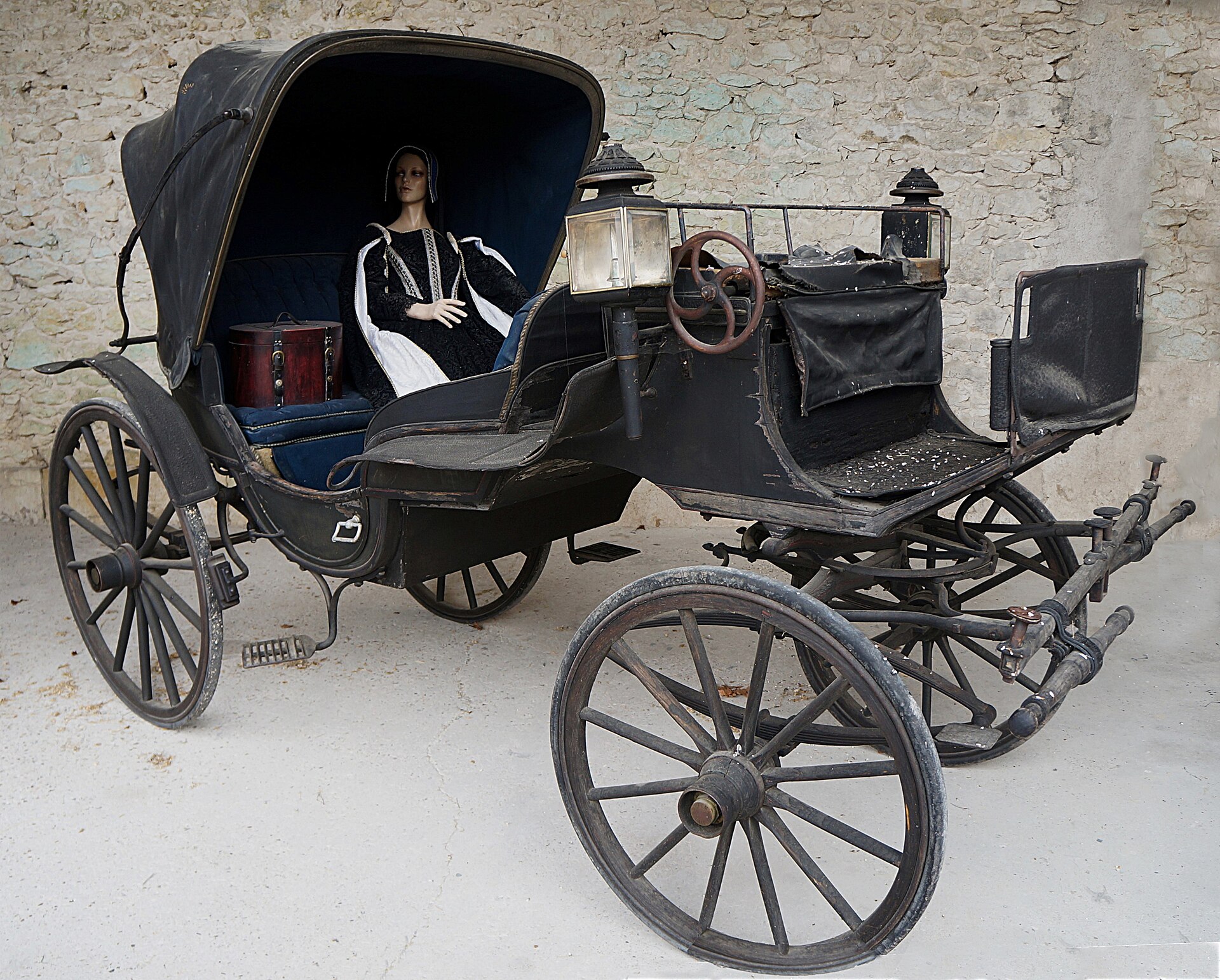
Photo: Pierre André Leclercq, CC BY-SA 4.0
Chambord Winery
out of 5 0 ratingsChambord is more than just its fairy-tale castle—it’s a land where the earth yields wines with a distinct character, shaped by centuries of tradition. The vineyards here aren’t a tourist spectacle but a living craft, rooted in the days when the Loire Valley was one of France’s great winemaking hubs. The pace is unhurried, the approach respectful of the soil and the temperamental climate, which is gentler than in other French regions but still keeps winemakers on their toes each season.
The wineries of Chambord follow old ways without clinging to them blindly. There’s no rush for mass production; instead, small batches are crafted to preserve the *terroir*—that elusive quality of taste shaped by the limestone soils, the river’s moderating influence, and the subtle shifts in humidity. The Loire, flowing nearby, softens temperature swings, while the chalky earth lends the wines a lightness and minerality that connoisseurs prize. It’s a delicate balance, one that demands patience and an intimate understanding of the land.
Winemaking in Chambord is intertwined with the castle’s history. When Francis I built his hunting lodge here in the 16th century, he brought not just architects but winemakers, recognizing that fine wine was as much a luxury as grand towers. The vineyards predated his arrival, but under royal patronage, they flourished. Some estates remain in the hands of descendants of those who once worked the king’s lands, though most have since passed to private owners or cooperatives. The connection to the past lingers, even as the present reshapes the craft.
The architecture of these wineries is unassuming compared to the castle’s grandeur, yet it has its own quiet charm. Low stone buildings with tiled roofs, cellars carved into limestone, and oak barrels scented with age create an atmosphere where wine isn’t just made—it’s nurtured. Some estates still use old presses and display vintage bottles, not as tourist attractions but as tributes to those who came before. Modern touches, like solar panels and climate-controlled cellars, are integrated thoughtfully, never disrupting the harmony with the landscape.
Chambord’s wines are primarily white, though reds and rosés are also produced. The star grape is Chenin Blanc, yielding wines with bright acidity, notes of apple, quince, and honey, and sometimes a faint mineral finish. Depending on the vintage and aging process, they can range from dry to semi-dry, or even sweet, like the Loire’s famous dessert wines. The reds, mostly Cabernet Franc and Gamay, are light and aromatic, with flavors of red berries and spices, free from the heaviness of wines from warmer regions.
Visiting a Chambord winery isn’t just about tasting wine—it’s about stepping into a rhythm that hasn’t changed in centuries. Many estates offer tours of the vineyards and cellars, where you can see the journey from harvest to bottle. Some even let visitors sample wines straight from the barrels, where they mature amid the scent of oak and damp stone. There’s no pressure to buy; the focus is on those who come for the experience, not just souvenirs.
The best time to visit is autumn, when the vineyards blaze with gold and crimson, and the air hums with the scent of fermentation. Spring is quieter, the vines just beginning to green, the silence broken only by birdsong. Summer brings more visitors, but the atmosphere remains relaxed, a world away from the rush of cities.
Chambord’s wines are rarely found in supermarkets—they’re prized for their uniqueness and often end up in restaurants or specialty shops. If you come across a bottle of local Chenin Blanc or Cabernet Franc, it’s more than just a drink; it’s a piece of the Loire Valley’s history. Each sip carries the warmth of the sun over the vineyards, the coolness of the limestone cellars, and the dedication of those who’ve passed down this craft through generations.
Day around this place
Where else to go on the same day
Building the day…
Where it is
47.61607, 1.51705