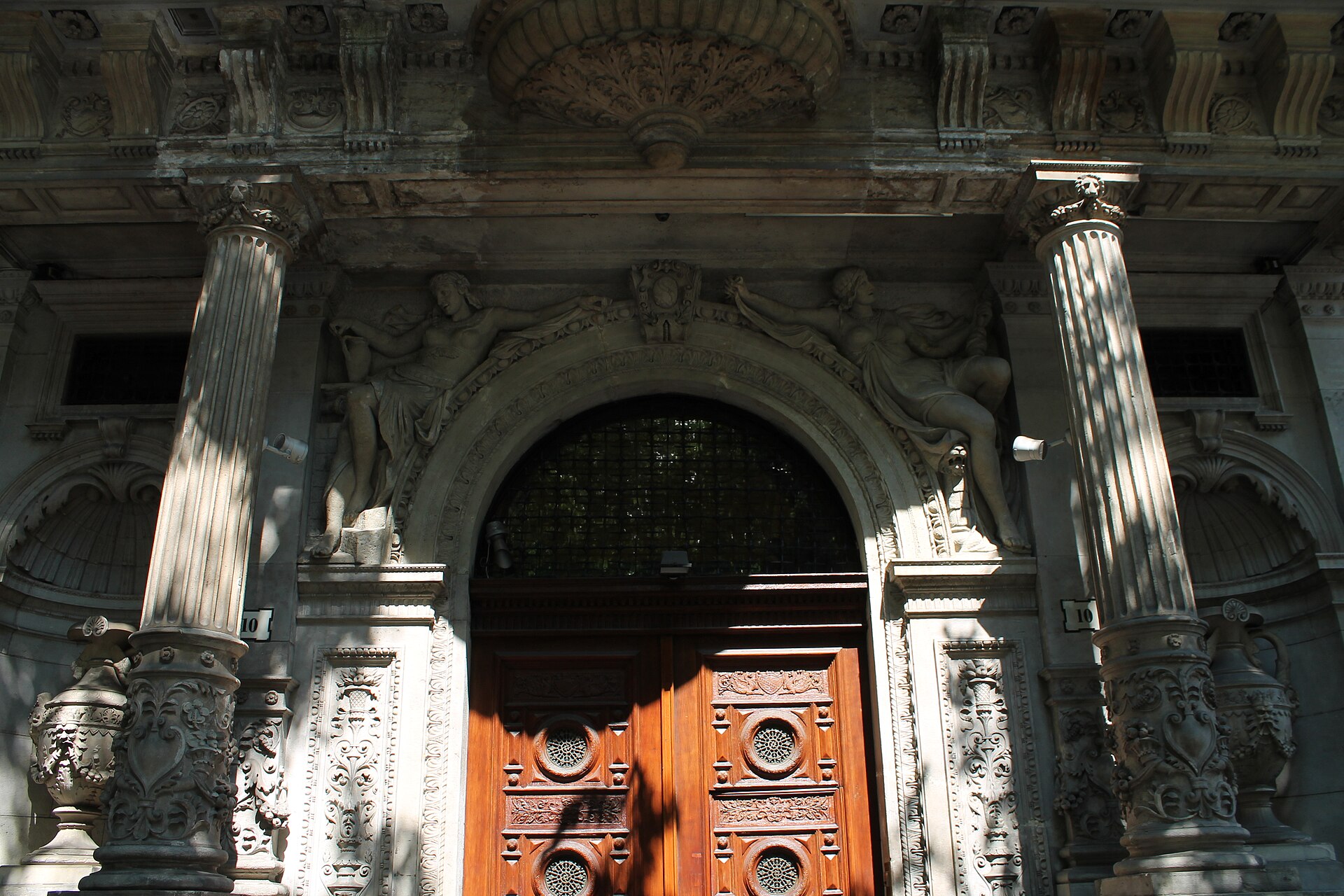
The Hungarian State Opera House in Budapest combines architecture and music in a way that stays with you. Built in the 1880s, it reflects Hungary’s cultural growth and its desire to match Europe’s great cities. At the time, Budapest was expanding rapidly, and the opera house was meant to impress—grand, ornate, and technically ahead of its time.
Architect Miklós Ybl designed the building with Italian and French neoclassical influences, but it still feels distinctly Hungarian. The façade features statues of composers like Mozart, Beethoven, and Verdi, as well as Ferenc Erkel, who wrote Hungary’s national anthem. Inside, the focus is on acoustics. The horseshoe-shaped auditorium, with its three tiers of boxes and plasterwork, is known for its clear sound. A whisper from the stage carries to the back rows.
Construction lasted nine years. When the opera house opened in 1884, it was a major event. Hungarians were proud their theater could compete with Europe’s best. The auditorium, with its marble columns, gold decorations, and velvet seats, was a wonder. The crystal chandelier still lights the space during performances, just as it did in the 19th century. The building was also among the first in Europe to use electric lighting.
The opera house quickly became Budapest’s cultural center. It staged classic operas and ballets while also premiering works by Hungarian composers. Through wars and political changes, it remained a symbol of artistic endurance. Today, it’s both a performance venue and a museum, its interiors largely unchanged.
Even if you don’t attend a performance, the building is worth seeing. The grand foyer, with its marble staircases, frescoes, and columns, feels like stepping into the past. Velvet drapes, bronze candelabras, and restored details create an atmosphere of elegance. Some tours let you see old stage machinery and century-old set designs.
The Hungarian State Opera House balances tradition and innovation. It hosts works from Mozart to Bartók and collaborates internationally. Hungarian composers still feature prominently, reinforcing the theater’s national roots. It’s not just a historic site—it’s a place where new ideas meet old traditions.
For many, visiting is a ritual. Whether you’re dressed for a premiere or joining a tour, the atmosphere is one of respect for art. Even if opera isn’t your usual choice, sitting in the auditorium—surrounded by gilded ceilings, the chandelier’s glow, and the quiet audience—makes you feel part of something special.
The opera house has survived wars, political shifts, and economic crises. While Budapest now has modern concert halls, none capture the city’s golden age like this one. Here, history isn’t just preserved—it’s still being made, one performance at a time.