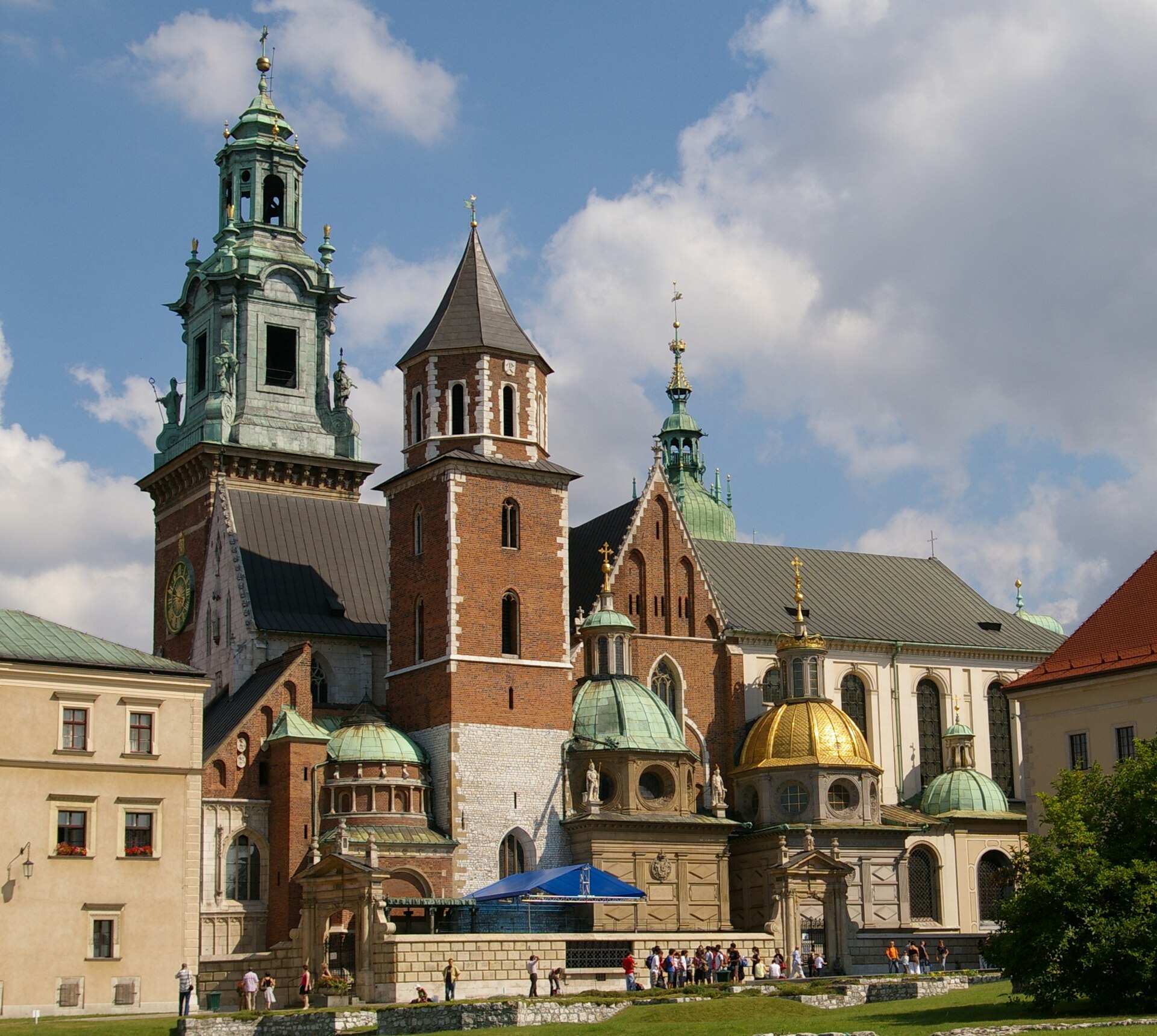
Wawel Cathedral isn’t just a building—it’s a place where Poland’s past feels alive in every stone. Perched on Wawel Hill in the heart of Kraków, it has stood for nearly a thousand years as the country’s spiritual core. This is where kings were crowned and laid to rest, where saints prayed and statesmen made decisions that shaped the nation. Even those who don’t consider themselves religious can sense its weight the moment they step inside. The air carries something older than memory, something that lingers in the quiet between footsteps.
The cathedral we see today is the third to rise on this spot. The first was built in the 11th century, but fires and invasions took their toll over the centuries. Each time, the Poles rebuilt it, layering new styles onto the old. What remains is a patchwork of history—Romanesque foundations supporting Gothic vaults, Renaissance chapels tucked beside Baroque altars. It’s like walking through a book where every chapter was written in a different hand. The walls themselves seem to whisper about the hands that shaped them, the voices that once filled the nave.
Inside, the cathedral is a royal necropolis. Nearly every Polish monarch from Władysław the Elbow-high to the last king, Stanisław August Poniatowski, lies here. The most revered tomb belongs to Saint Stanislaus, Poland’s patron saint, whose relics draw pilgrims from across the country. Below, in the crypt, rest national heroes like the poet Adam Mickiewicz and Marshal Józef Piłsudski. Their presence turns the cathedral into more than a church—it’s a pantheon of Polish identity, where the dead are never truly gone.
One of the cathedral’s most famous features is the Sigismund Bell, housed in the small tower called the Sigaturka. Cast in the 16th century, it weighs nearly twelve tons and rings only on special occasions—national holidays, moments of mourning, or major religious feasts. Locals say its deep, resonant toll brings good fortune, and many make the climb up the narrow spiral staircase just to hear it. The view from the top is worth the effort: Kraków sprawls below, the Vistula River curling around the city like a silver ribbon.
The interior is a masterpiece of craftsmanship and symbolism. The main Baroque altar gleams with gold, its saints frozen in eternal devotion. Side chapels hold treasures of their own—elaborate tombs, intricate frescoes, stained glass that scatters colored light across the stone floors. The most striking is the Sigismund Chapel, a jewel of the Renaissance. Its golden dome and marble walls feel like stepping into a different era, one of humanist ideals and artistic ambition. This is where King Sigismund I the Old was buried, and the chapel remains one of Central Europe’s finest examples of Renaissance art.
Yet Wawel Cathedral isn’t a museum. It’s a living church, where Mass is celebrated every Sunday and on holy days. The pews fill with worshippers, tourists, and pilgrims, all drawn to the same space. The atmosphere shifts with the occasion—solemn during services, hushed in quiet moments. Even on weekdays, when visitors wander freely, the cathedral retains a sense of reverence. The past isn’t just preserved here; it’s still part of the rhythm of daily life.
The cathedral shares Wawel Hill with the royal castle, and together they form a complex that has been the heart of Polish power for centuries. The hill itself has been inhabited since prehistoric times, but it was in the Middle Ages that it became the seat of kings. Today, you can spend hours exploring the grounds—moving from the cathedral’s sacred spaces to the castle’s opulent chambers, from the treasury’s glittering relics to the dimly lit exhibitions beneath the hill. But the cathedral remains the soul of Wawel, the place where history isn’t just remembered but felt.
A visit here isn’t like ticking off another tourist site. It’s more like stepping into a story that’s still being told. You might spend an hour tracing the carvings on a tomb, or a whole afternoon sitting in a pew, watching the light change through the stained glass. There’s no need to know every detail—the cathedral speaks in its own language. The worn steps, the flicker of candles, the echo of footsteps on stone all carry meaning. Even the silence has a weight to it, as if the centuries themselves are holding their breath.