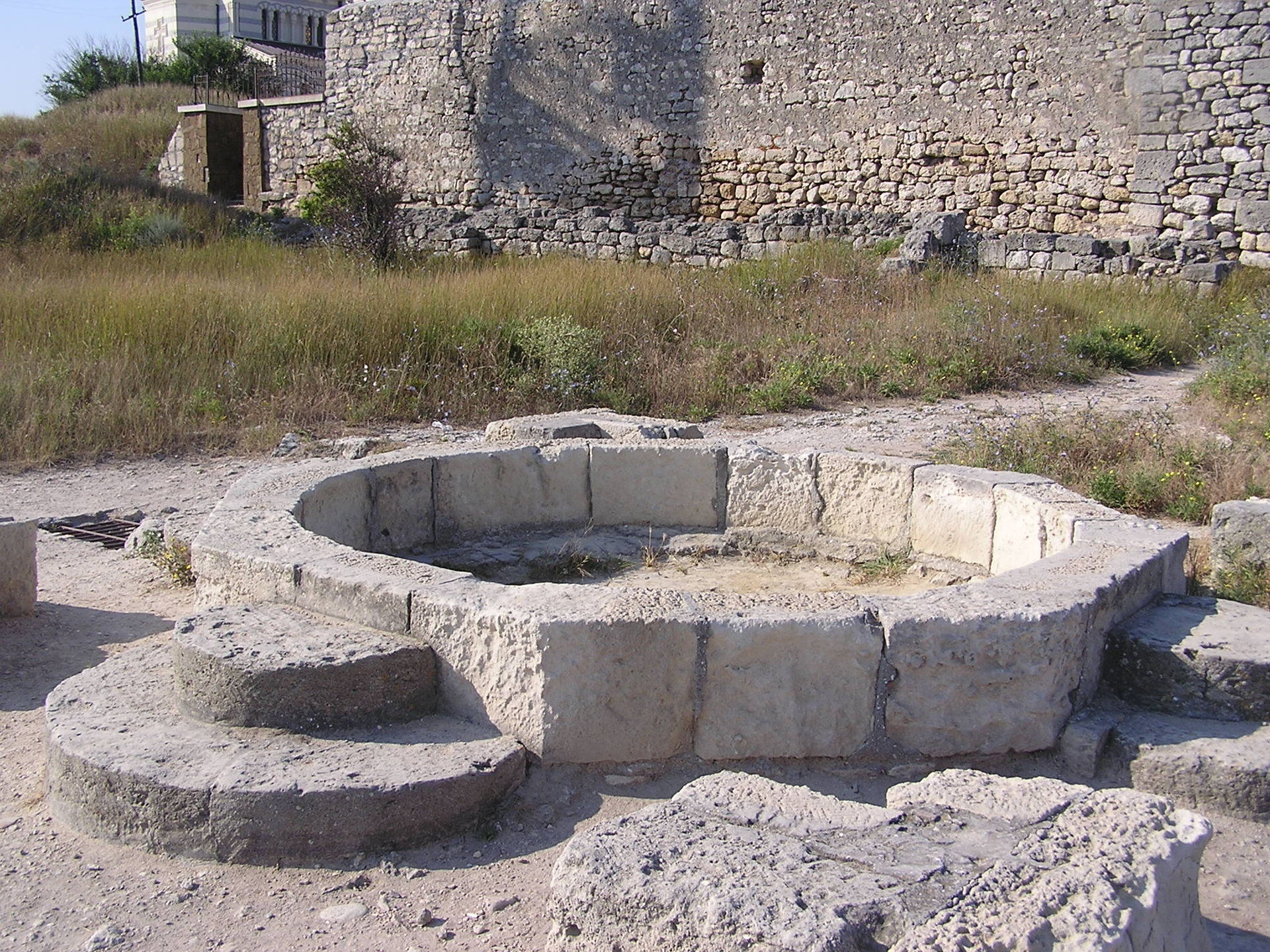
Standing among the ruins of the Uvarov Basilica in Sevastopol, you can almost hear the echoes of a city that once thrived here over a thousand years ago. This site, part of the ancient Greek and later Byzantine city of Chersonesus, is one of those rare places where history isn’t just something you read about—it’s something you feel beneath your feet. The basilica, built in the 6th century, was more than just a place of worship; it was a cornerstone of life in a bustling port city that connected the Byzantine Empire with the nomadic tribes and Slavic peoples of the Black Sea region.
Chersonesus was a city of trade, culture, and faith, and the Uvarov Basilica reflected that. Its architecture followed the early Christian style of the time, with three naves divided by rows of columns, an apse facing east, and floors once adorned with intricate mosaics. Though much of the original decoration has faded, fragments of those mosaics still remain, hinting at the craftsmanship of Byzantine artisans. The basilica wasn’t just a religious space—it was where deals were struck, justice was administered, and the community gathered. In many ways, it was the heart of the city.
The name of the basilica honors Count Alexei Uvarov, a 19th-century Russian archaeologist whose work helped uncover and preserve Chersonesus. Uvarov didn’t just dig up artifacts; he believed these ruins should tell a story, one that could be understood and appreciated by future generations. Thanks to his efforts, the basilica and other structures of Chersonesus were saved from oblivion, allowing visitors today to walk among the same stones where people once lived, prayed, and traded.
Today, the Uvarov Basilica is part of the Chersonesus Taurica National Reserve, one of Russia’s largest archaeological sites. The ruins are surrounded by the remnants of an entire ancient city—streets, houses, even parts of the old water supply system. Walking through the site, it’s easy to imagine what Chersonesus must have looked like in its prime. The sea breeze carries the same salt air that would have filled the lungs of its inhabitants, and the sun casts long shadows over the stones, just as it did centuries ago.
Chersonesus holds a special place in the history of the region, particularly for its connection to the Christianization of Kievan Rus’. According to legend, it was here that Prince Vladimir of Kiev was baptized in the late 10th century, an event that marked the beginning of Christianity’s spread across what would become Russia. While there’s no definitive proof that the Uvarov Basilica was the exact site of his baptism, the entire area is steeped in that story. For many visitors, that legend adds a layer of meaning to the ruins, making them more than just ancient stones.
The basilica isn’t a place for crowds or hurried visits. It’s quiet, almost meditative, with a sense of timelessness that makes it easy to linger. Tourists, school groups, and locals often come here not just to see history but to feel it. The absence of noise and bustle makes it a stark contrast to other parts of Sevastopol, where the city’s more recent past often overshadows its ancient roots. Here, the focus is on the distant past, and the present feels far away.
A visit to the Uvarov Basilica is also an invitation to explore the rest of Chersonesus. Nearby, you’ll find the remains of an ancient theater, sections of the old city walls, and other churches that once stood as symbols of faith and power. There are even traces of the city’s wine-making industry, a reminder that Chersonesus was a place where people lived full, complex lives. Each ruin tells a part of the story, and together they create a vivid picture of a city that was once a crossroads of cultures.
Sevastopol itself is a city layered with history, from its role in the Crimean War to its Soviet-era significance. But in Chersonesus, those layers peel back to reveal something even older. The Uvarov Basilica, with its weathered stones and quiet dignity, stands as a reminder of how fleeting even the most powerful civilizations can be. It’s a place that invites reflection, not just on the past, but on the passage of time itself. Here, the sea still whispers against the shore, just as it did when the basilica was new, and the wind carries the same stories it always has.