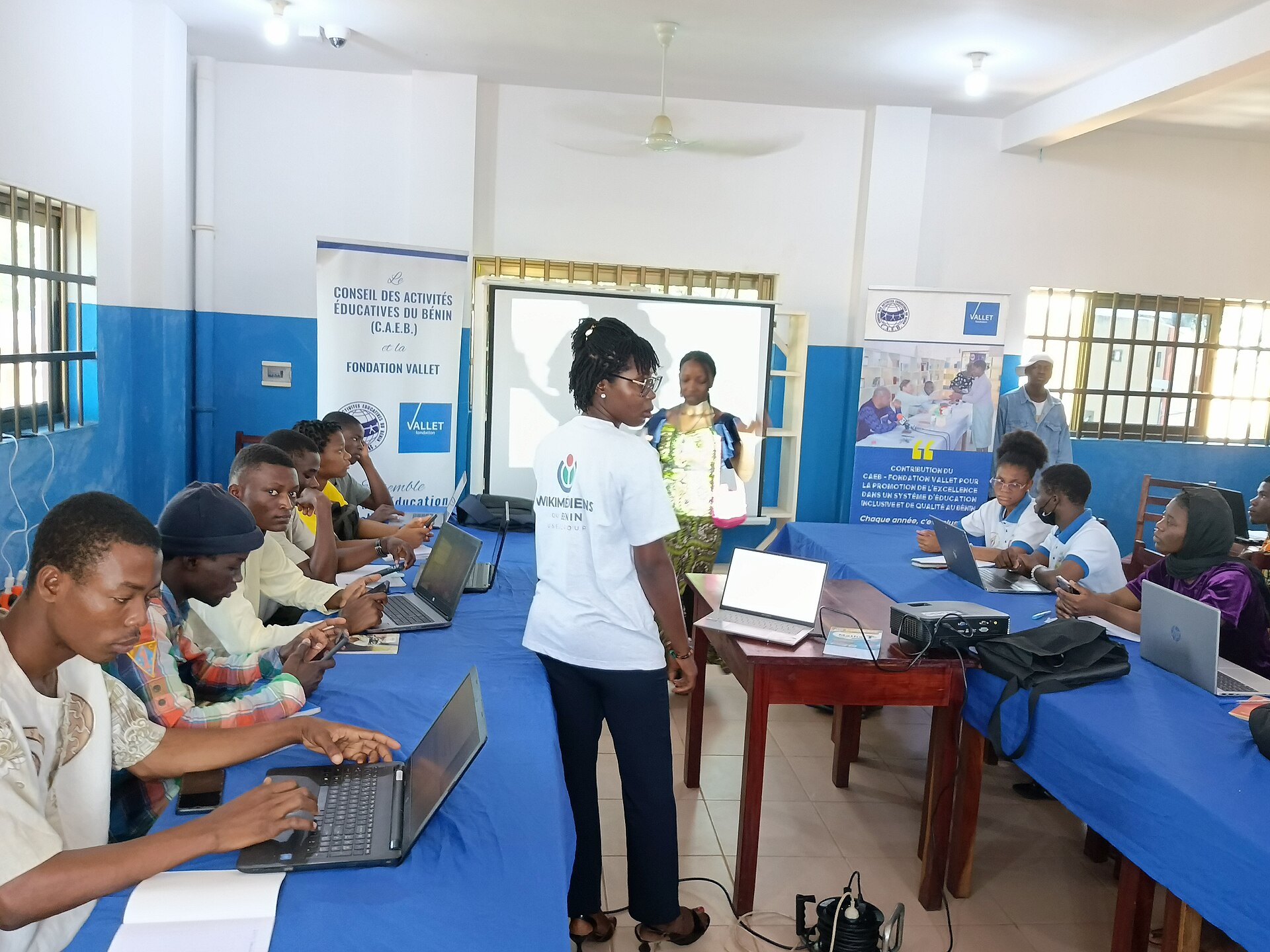
Parakou University is one of those places that rarely makes it into conventional travel guides, yet it offers a rare glimpse into the heartbeat of modern Benin. The city of Parakou, nestled in the country’s central region, feels worlds away from the bustling coastal capitals or the well-trodden tourist hubs. It’s a quintessential African city, where life moves at an unhurried pace, and the university isn’t just an educational institution—it’s the cultural and intellectual core of the community. Students from across Benin, and occasionally from neighboring countries, come here in search of knowledge and opportunity, making the campus a microcosm of the nation’s aspirations.
The university’s history is deeply intertwined with Benin’s own evolution. Founded in the late 20th century, it emerged during a pivotal moment for the country, which had recently shed its colonial name, Dahomey, and was seeking paths toward modernization. Like many African nations at the time, Benin placed its hopes in higher education as a catalyst for development. Parakou University was never meant to be an elite institution; instead, it was designed as an accessible center for training professionals in a region that had previously lacked major academic facilities. Its creation reflected a broader vision of education as a tool for progress, not privilege.
The architecture of the university campus mirrors the era in which it was built—practical, unadorned, yet distinctly African. The buildings are straightforward and functional, but some bear the marks of local craftsmanship, with traditional patterns or sculptures that lend the space a sense of identity. The campus itself is expansive, with wide-open areas where students gather between classes to debate ideas, work on projects, or simply relax under the shade of trees. During the hottest months, the cool courtyards offer a welcome respite from the relentless sun, making them popular spots for quiet reflection or casual conversations.
Parakou University is best known for its programs in agriculture, medicine, and the humanities—fields that directly respond to the needs of the region. Agriculture has long been the backbone of central Benin’s economy, and the university plays a crucial role in training specialists who understand the local context. The medical faculty, for instance, prepares doctors who often go on to work in rural clinics and hospitals, where their skills are most needed. Meanwhile, the humanities departments focus on preserving and interpreting Benin’s cultural heritage, offering courses in history, linguistics, and sociology that help students engage with the country’s complex past.
Life at the university extends far beyond the classroom. Students are deeply involved in shaping the campus’s social and cultural life, organizing festivals, debates, and artistic events. The campus frequently hosts exhibitions by local artists, performances of traditional music, and even theatrical productions. For many students, the university is their first real exposure to Benin’s cultural diversity, as it brings together young people from different ethnic backgrounds. These interactions foster a sense of shared identity while also celebrating the country’s rich traditions.
Though Parakou isn’t a tourist destination, the university draws visitors who are curious about contemporary Africa. It’s a place where you can witness how Benin’s younger generation is building its future—what ideas inspire them, what challenges they face, and how they envision their role in the country’s development. For foreign visitors, the university can be an unexpected revelation, offering a chance to engage with students, learn about their ambitions, and gain insight into how education functions in one of West Africa’s most dynamic nations.
Of course, the university isn’t without its struggles. Like many institutions in developing countries, it grapples with limited funding, outdated infrastructure, and other systemic issues. Yet despite these challenges, there’s an undeniable spirit of resilience and optimism. Students and faculty often describe the university as more than just a place of learning—it’s a community, a family where people support one another and find inspiration in shared goals.
If you ever find yourself in Parakou, a visit to the university campus is well worth the time. Even if you’re not there to study, a walk through its grounds can offer a deeper understanding of the city and the country than any museum or tourist attraction. You might stumble upon a group of students debating under a tree, or catch the rhythms of an impromptu drumming session. Either way, it’s an encounter with the real Benin—a nation that looks forward while staying rooted in its past.