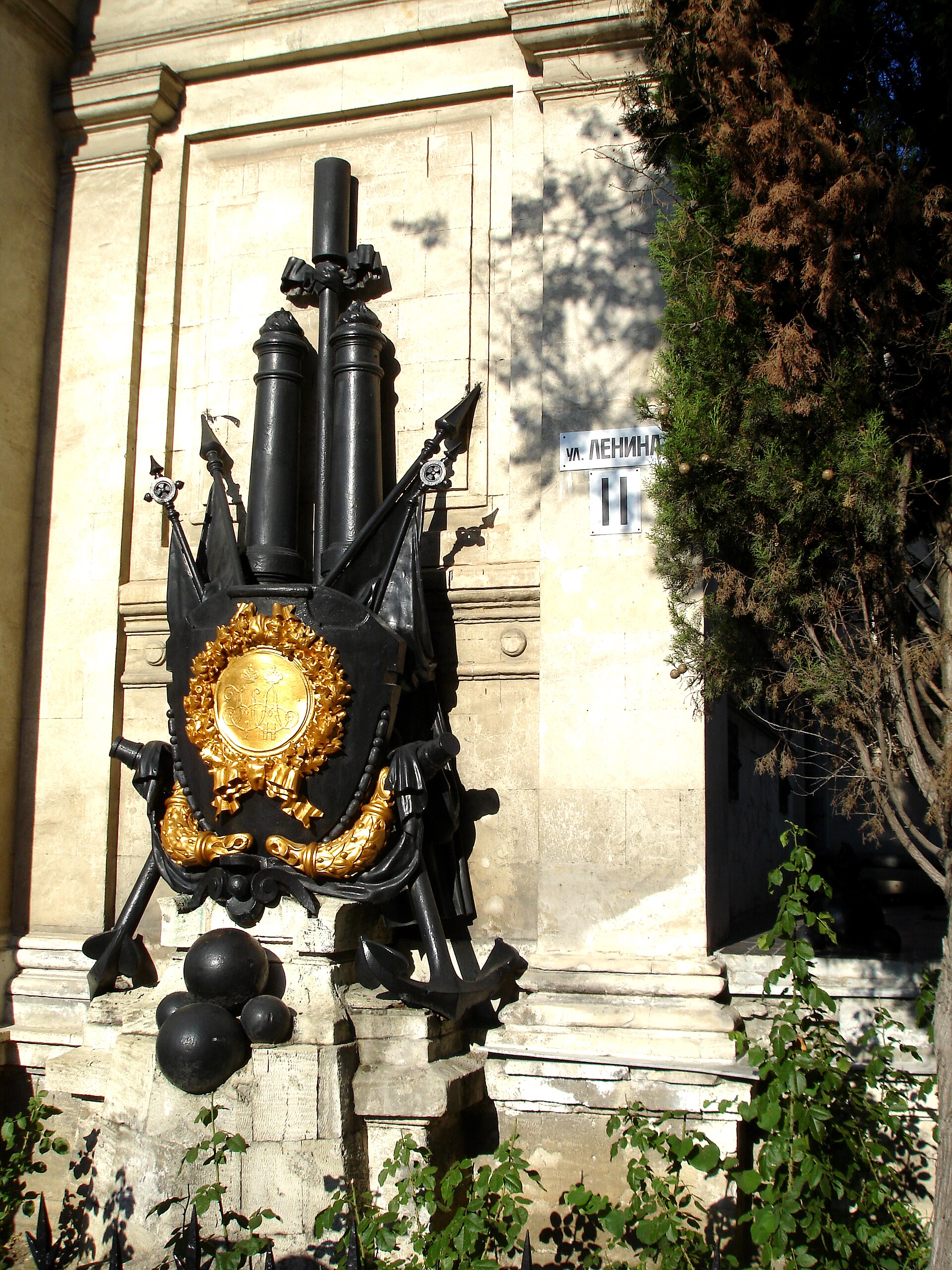
Lenin Street doesn’t just connect points on a map. It carries the weight of time in its stones. Stretching through the city’s heart, it links the waterfront with historic squares and quiet side streets. The past isn’t just remembered here—it lingers.
This isn’t a polished tourist route. The street feels lived-in, where Sevastopol reveals itself without pretense. Visitors do wander here, often by accident while moving from Primorsky Boulevard toward Nakhimov Square. But Lenin Street isn’t a stage set. It’s where the city breathes—harshly, nostalgically, but always with its own pulse.
The architecture here is a timeline of Sevastopol’s history. Buildings from different eras tell their stories. A late-classical mansion with fluted columns and ornate stucco recalls the pre-revolutionary years, when the city was the pride of the Black Sea Fleet. Nearby, constructivist structures from the 1920s speak of a city rebuilding after civil war. Further along, Soviet-era buildings mix monumentalism with attempts to recapture the pre-war cityscape. Old and new coexist without fanfare.
The former Noble Assembly Hall, built in the late 19th century, is one of the street’s landmarks. Today, it houses the Fleet Officers’ Club. In its early years, it was the social hub for Sevastopol’s elite—naval officers, merchants, and engineers who gathered for balls and concerts. During the Crimean War, it served as a hospital. Later, under Soviet rule, it became a military club. The façade has been restored, but inside, traces of the original interiors remain. The building’s grandeur is hard to miss.
The street wasn’t always called Lenin Street. Before the revolution, it was Ekaterininskaya, named after Catherine the Great. In the 1930s, it was renamed, though locals kept using the old name for years. Today, the signs are uniform, but for those who live here, it’s simply the main street—a place to run into neighbors or grab bread from a bakery. There are no luxury boutiques, just the rhythm of daily life.
Lenin Street begins at Primorsky Boulevard, where the view opens onto Sevastopol Bay. The sea’s presence is always felt. The air carries salt, seaweed, and ship tar. In summer, the street hums with sailors, tourists, and locals. Winter brings a quieter pace, but the street never feels deserted.
Sevastopol is a city of contrasts, and Lenin Street shows that. Soviet monuments stand beside pre-revolutionary townhouses. War memorials share space with small souvenir shops. One block might have a plaque for Great Patriotic War heroes; the next, a tribute to a 19th-century merchant. This isn’t deliberate eclecticism. It’s the result of a city that has endured upheavals, rebuilding while holding onto fragments of its past.
Walking down Lenin Street isn’t about ticking off sights. It’s about absorbing the city’s atmosphere.
An old cinema, once a showcase for Soviet films, now hosts retro screenings. A pharmacy, operating since pre-revolutionary times, retains its original interiors. A small park where teenagers meet and pensioners play chess. These aren’t attractions—they’re pieces of a larger mosaic, forming the image of a city where history lives in the streets.
Lenin Street doesn’t feel designed for tourists. No flashy signs, no amusement centers. It’s just a street where people live, shops operate, and buses rumble by. That’s its charm. It doesn’t try to be special—it simply exists, much like Sevastopol itself: rough around the edges, romantic, but always authentic. To walk here is to touch a city shaped by history.