- Home
- Peru
- Centennial Park
- Huascarán National Park
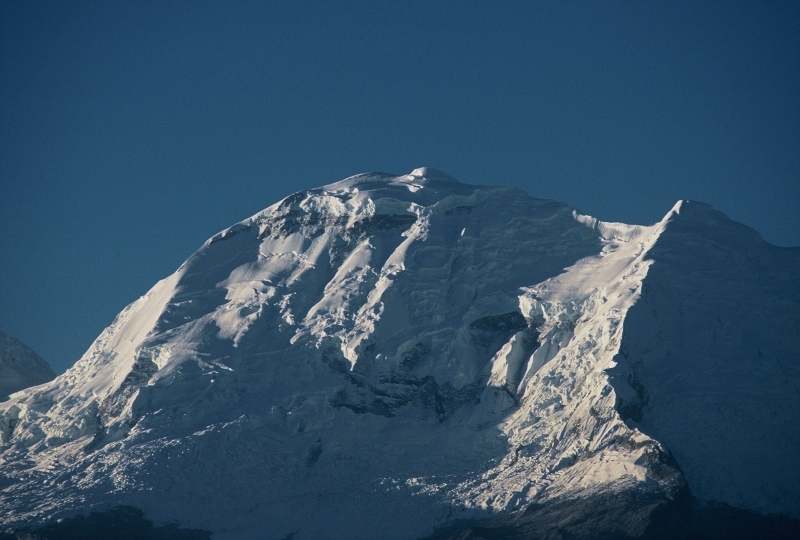
Photo: Florian Ederer, CC BY 2.5
Huascarán National Park
out of 5 0 ratingsHuascarán National Park sits where the Peruvian Andes rise so steeply they seem to hold up the sky. The park takes its name from Peru’s highest peak, Huascarán, a towering mass of ice and rock that reaches over six thousand meters above sea level. Stretching across much of the Ancash region, it encompasses deep valleys, slow-moving glaciers, high-altitude lakes, and meadows where wildflowers bloom in season. There are no crowded resorts here, no constant hum of engines—just the quiet rhythm of wind sweeping across the slopes and the occasional cry of a bird circling overhead.
For centuries, this land has been home to Indigenous communities who saw the mountains as sacred. The Inca revered Huascarán as a deity, a place where earth and sky met. Even now, in villages scattered across the foothills, elders share stories of mountain spirits that watch over the valleys. When the Peruvian government declared the area a national park in the twentieth century, it wasn’t just about preserving the landscape—it was also about protecting the way of life that had endured here for generations.
The terrain shifts dramatically as you move higher. Lower slopes are thick with cloud forest, where trees twist upward through mist and orchids cling to their branches. Higher up, alpine meadows burst with color in the warmer months, dotted with grazing llamas and alpacas. Above that, glaciers creep down the mountainsides, feeding streams that carve their way through rock. One of the most striking sights is Lake Llanganuco, its turquoise waters framed by sheer cliffs and ice. On still days, the reflection is so perfect it feels like looking into another world.
Hikers come here for the trails, and there are plenty to choose from. The Santa Cruz trek is the most well-known, winding through passes and past lakes with views of jagged peaks at every turn. For those with mountaineering experience, Huascarán itself is a formidable challenge, requiring skill and preparation. But even a short walk can leave a lasting impression—a waterfall hidden in a ravine, a herd of vicuñas standing alert on a hillside, or the sudden sight of a condor gliding on the updrafts.
Wildlife here is as varied as the landscape. Condors, with wingspans wider than a person is tall, ride the air currents above the ridges. Pumas and spectacled bears—the only bear species native to South America—roam the slopes, though sightings are rare. Rivers and lakes teem with fish, while smaller creatures, from brightly feathered birds to elusive rodents, make their homes in the brush. The park is a reminder of how much life thrives in even the harshest environments.
The weather in the Andes is unpredictable. Days can be warm under the high-altitude sun, while nights often drop below freezing. The most stable conditions usually come between May and September, when rain is less frequent and the skies are clearer. But even then, storms can roll in without warning, and the thin air at higher elevations demands respect. Visitors quickly learn that the mountains set the rules, not the other way around.
Life in the villages around the park moves at a different pace. Many families still live much as their ancestors did, farming small plots of land and herding animals. They welcome travelers with quiet hospitality, offering simple meals made from local ingredients—potatoes grown in terraced fields, corn ground into flour, or stews simmered over open fires. Handwoven textiles, dyed with natural pigments and patterned with ancient symbols, are sold in markets, each piece telling a story of its own.
Huascarán is a place that doesn’t reveal itself all at once. It rewards patience, whether you’re waiting for the clouds to part over a glacier or sitting quietly by a lake, listening to the wind. For climbers, it offers some of the most demanding routes in the Andes. For photographers, it presents endless compositions of light and shadow. And for those who simply want to step away from the noise of the world, it provides a rare kind of stillness. This is a landscape that has shaped the people who live here for centuries, and it continues to shape those who visit, if only for a little while.
Day around this place
Where else to go on the same day
Building the day…
Where it is
-9.40000, -77.40000