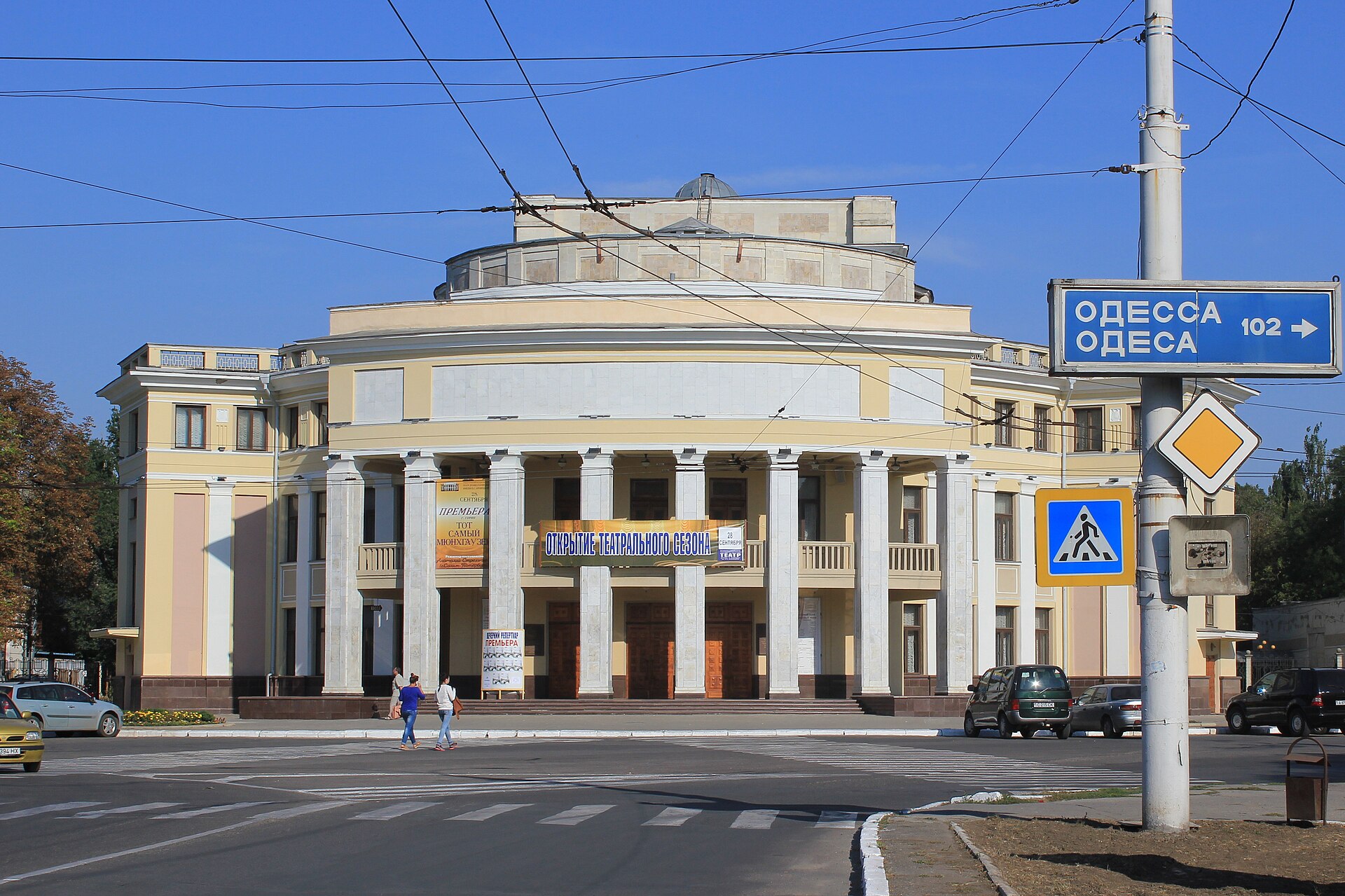
Tiraspol’s Drama Theater stands as one of the most enduring cultural landmarks in the breakaway region of Transnistria, a place where history and daily life intertwine in ways few other cities can claim. Built in the mid-20th century, the theater was designed to serve as both a creative hub and a symbol of Soviet cultural ambition in this small but strategically significant corner of Eastern Europe. Its architecture reflects the era’s aesthetic—grand yet functional, with a facade that balances classical proportions and the utilitarian simplicity of its time. The building has witnessed decades of political shifts, economic upheavals, and the quiet resilience of a city that has long existed in a state of limbo, neither fully recognized nor entirely forgotten.
The theater’s interior is a study in contrasts, where the weight of history meets the immediacy of performance. The main auditorium, with its high ceilings and rows of plush seating, was crafted to immerse audiences in the world unfolding on stage. The acoustics are warm, carrying voices with clarity, a detail that speaks to the care taken in its construction. Over the years, the space has hosted everything from classical Russian drama to contemporary works by local playwrights, adapting to the tastes and realities of its audience. The stage itself has seen generations of actors, some of whom began their careers here before moving on to larger theaters in Moscow or Kyiv, while others remained, shaping the cultural identity of a city that has often been defined by its isolation.
What makes the Tiraspol Drama Theater particularly interesting is its role beyond the arts. In a region where national identity is a complex and often contentious subject, the theater has become a subtle but important gathering place. Performances here are not just entertainment; they are a form of cultural continuity, a way for the city to assert its own narrative amid the broader geopolitical tensions that have shaped Transnistria’s existence. The repertoire often reflects this duality—classics that resonate with Russian-speaking audiences, alongside newer works that grapple with the region’s unique circumstances. It’s not uncommon for a play about Soviet nostalgia to share the season with a contemporary piece exploring themes of displacement or belonging, mirroring the conversations happening in the city’s cafes and parks.
The theater’s location in central Tiraspol places it within walking distance of some of the city’s other defining landmarks. Just a short stroll away stands the imposing statue of Lenin, a reminder of the Soviet legacy that still looms large here. Nearby, the House of Soviets, with its austere, monumental design, serves as a counterpoint to the theater’s more human-scale presence. The contrast between these buildings tells a story of a city caught between its past and an uncertain future. The theater, in its own quiet way, bridges that gap, offering a space where the past is neither glorified nor erased but simply allowed to exist alongside the present.
For visitors, attending a performance at the Tiraspol Drama Theater can feel like stepping into a different era. The audience is a mix of locals—older patrons who remember the theater’s heyday, younger attendees discovering it for the first time, and the occasional traveler drawn by curiosity. The atmosphere is unpretentious, with none of the formality that can sometimes accompany classical theater elsewhere. Before the show, people gather in the foyer, chatting over tea or coffee, their conversations a blend of Russian, Moldovan, and Ukrainian, reflecting the linguistic patchwork of the region. The performances themselves are often intimate, with a directness that can be surprising to those used to more polished productions in larger cities.
The theater’s significance extends beyond its walls. In a place where international recognition is limited and economic opportunities are constrained, institutions like this one play a vital role in maintaining a sense of normalcy. The building itself has aged gracefully, its wear and tear a testament to decades of use rather than neglect. The staff—from the ticket sellers to the stagehands—are part of a small but dedicated community that keeps the theater running, often against the odds. Their work is a quiet act of defiance, a refusal to let the city’s cultural life fade into obscurity.
For those who take the time to visit, the Tiraspol Drama Theater offers more than just a night at the theater. It’s a window into a place that exists in the margins of modern Europe, where history is not just remembered but actively lived. The performances, the architecture, and even the conversations in the lobby all hint at the complexities of life in Transnistria—its pride, its struggles, and its enduring sense of identity. Whether you come for the drama on stage or the drama of the city itself, the experience is one that lingers long after the final curtain falls.