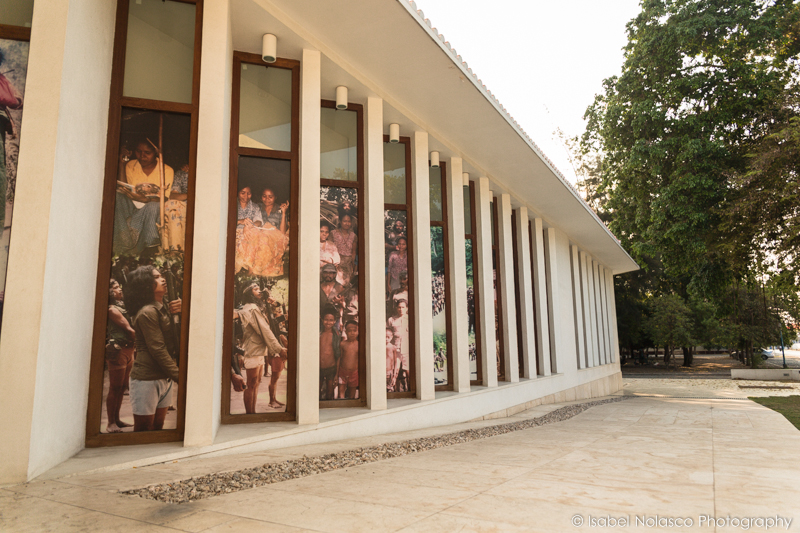
The Timorese Resistance Archive and Museum in Dili is a place where the struggle for East Timor’s independence is preserved not just in stories, but in tangible fragments of history. Housed in a modest building in the capital, it feels less like a traditional museum and more like a quiet space for reflection. There are no grand displays or dramatic reconstructions—just documents, photographs, and objects that bear witness to the decades-long fight for sovereignty. Each item here carries the weight of real lives, real sacrifices, and the slow, painful journey toward freedom.
The museum and archive were created out of necessity. After East Timor gained independence in 2002, it became clear that the history of resistance against occupation risked fading away unless it was preserved in physical form. Without deliberate effort, many artifacts—personal letters, weapons, photographs—might have been lost to time. Today, this is one of the few places in the country where visitors can see firsthand evidence of that era, rather than relying solely on oral accounts. The collection serves as a counterpoint to fading memories, grounding the past in something concrete.
The exhibits are small but carefully curated. Visitors will find handwritten diaries from resistance fighters, letters smuggled out of prisons, and maps marking battle sites in the rugged terrain where guerrilla forces operated. Photographs capture both the mundane and the monumental—life in the jungle hideouts, moments of defiance, and the faces of those who fought. A particularly moving section is dedicated to international solidarity, featuring posters, newspapers, and letters of support from around the world. These items remind us that East Timor’s struggle, though long overlooked, was not fought in isolation.
The building itself is part of the story. Located in a district that was once a hub of underground activity during the Indonesian occupation, it’s easy to imagine the hushed meetings and hidden documents that once filled these rooms. The walls seem to hold echoes of the past—whispers of strategy, the tension of secrecy, and the ever-present fear of discovery. Even now, standing among the exhibits, there’s a sense of the weight those years carried, especially when confronted with images of destroyed villages or accounts of mass violence.
For younger Timorese, born after independence, the events documented here can feel distant, almost abstract. The museum doesn’t glorify the past or present it as a simple narrative of heroes and villains. Instead, it offers raw evidence: the facts, the documents, the unfiltered testimonies. It’s a way to understand that independence wasn’t granted—it was earned through persistence, loss, and an unshakable belief in the right to self-determination. The exhibits don’t shy away from the complexity of that struggle, nor do they romanticize it.
A visit here is more than just walking through displays. The atmosphere is subdued, with visitors speaking in low voices, as if out of respect for those who didn’t live to see the outcome. Some of the guides are former resistance members or those who lived through the occupation, and their personal accounts add a layer of immediacy to the experience. Their stories aren’t polished or rehearsed; they’re honest, sometimes painful, and deeply human. That authenticity makes the museum feel less like a historical record and more like a living conversation with the past.
Beyond the public exhibits, the archive holds thousands of documents still being processed and studied. Letters, interrogation records, newspaper clippings, and internal reports—each piece offers a potential clue to understanding the full scope of the resistance. For researchers, this is an invaluable resource, as many of these materials exist nowhere else. The work of archivists continues, and with each new discovery, the narrative of East Timor’s fight for independence becomes a little clearer.
The Timorese Resistance Archive and Museum is more than a repository of the past; it’s a testament to resilience. East Timor is not a wealthy country, and its history is marked by hardship, but this unassuming building in Dili stands as proof that even the smallest nations can defy overwhelming odds. For travelers, it’s a rare chance to engage with history that is still fresh, still evolving. For Timorese, it’s a reminder that independence is not a given—it’s something that must be remembered, honored, and protected.