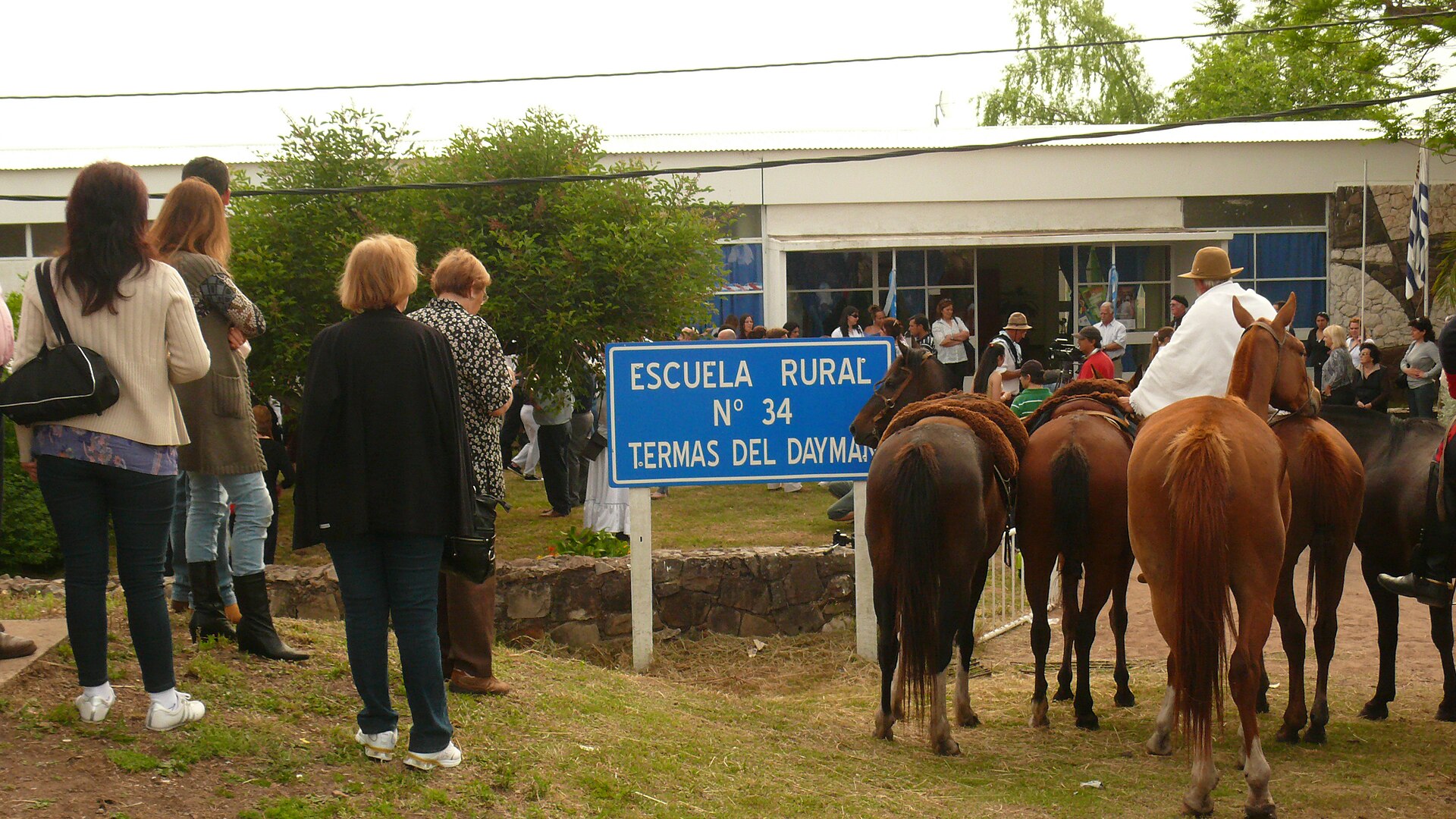
Thermas del Daymán is one of those places where nature and human ingenuity intersect almost by accident, yet the result is something quietly remarkable. Tucked away in northwestern Uruguay, far from the crowded beach resorts of the coast, hot springs bubble up from deep beneath the earth, their warmth known to locals for generations. Indigenous peoples and later Spanish settlers used these waters for healing and rest, but it wasn’t until the mid-20th century that a proper thermal complex took shape here. Today, Termas del Daymán isn’t just a resort—it’s woven into the fabric of daily life in Salto, a place people visit not only for its therapeutic waters but for the quiet, for the chance to sit by the pools with the rolling hills in the distance and the murmur of the Uruguay River nearby.
The thermal waters here are distinctive, rich in minerals and rising from depths of over a thousand meters with temperatures between thirty and forty degrees Celsius. The water isn’t just warm—it’s soft, almost silky to the touch, carrying a faint sulfuric scent that many associate with healing properties. Locals will tell you these springs ease joint pain, skin conditions, and even soothe the nerves. There’s no scientific consensus on these claims, but the steady stream of visitors over the decades speaks for itself. People keep coming back, drawn by something intangible yet undeniable.
The architecture of the complex is simple and unpretentious. The main pools are open-air, framed by low stone walls and wooden shades that offer respite from the sun or an occasional shower. Inside, there are enclosed areas with private baths, showers, and smaller pools for those who prefer solitude. There’s no marble or gilded faucets here—just water, stone, and wood. This isn’t a place for evening gowns or suits; visitors arrive in swimsuits, towels in hand, maybe a light snack, ready to spend the day outdoors.
What sets Termas del Daymán apart is its accessibility. Unlike high-end spas with exorbitant prices, this remains a place where entry is affordable, and loungers can be rented or a blanket spread out on the grass. Families often come together, bringing thermoses of mate and homemade snacks. Weekends can get busy, but even in peak season, it never feels as crowded as the beaches of Punta del Este. There’s space for everyone—multiple pools mean you can always find a quiet corner.
Beyond the pools, a small park offers shaded paths for strolling between soaks. The trees are mostly native—eucalyptus, ombu, and acacia—providing dappled shade and a sense of tranquility. Benches line the walkways, and a few old wooden gazebos offer shelter from the sun. Summer in Salto can be intense, but the heat is easier to bear under the trees and near the water. In winter, when temperatures drop to around ten degrees, the warm pools become even more inviting—few things compare to sinking into water that feels like a gentle embrace while the air is cool.
The history of this place is closely tied to Salto’s own development. In the 19th century, as Uruguay began building its infrastructure, these thermal springs became one of the region’s first tourist attractions. Back then, they were little more than natural pits where people descended via wooden ladders. Later, as roads and hotels were built, visitors started arriving from Montevideo and even across the border in Argentina. Today, Termas del Daymán is part of the city’s cultural heritage, a place remembered by generations of Uruguayans.
Despite its popularity, the thermal complex has retained a sense of provincial calm. There’s no rush, no pressure to be anywhere or do anything. Time moves slowly, dictated by the rhythm of the water and the breeze. You can spend the whole day drifting between pools or drop in for a couple of hours to unwind after a long journey. Many visitors come for the weekend, staying in small hotels or apartments in Salto, combining their time at the springs with exploring the city.
Salto itself is an unassuming but intriguing place. It lacks the European polish of the capital or the party atmosphere of the coastal resorts. Life here moves at a measured pace, and Termas del Daymán is very much a part of that rhythm. For locals, it’s a place for gatherings, relaxation, and even romantic rendezvous. For travelers, it’s a chance to see Uruguay as it truly is—unhurried, welcoming, and a little untouched by time. The water here doesn’t just soothe the body; it reminds you that sometimes the best way to rest is to simply stop and let the world slow down around you.