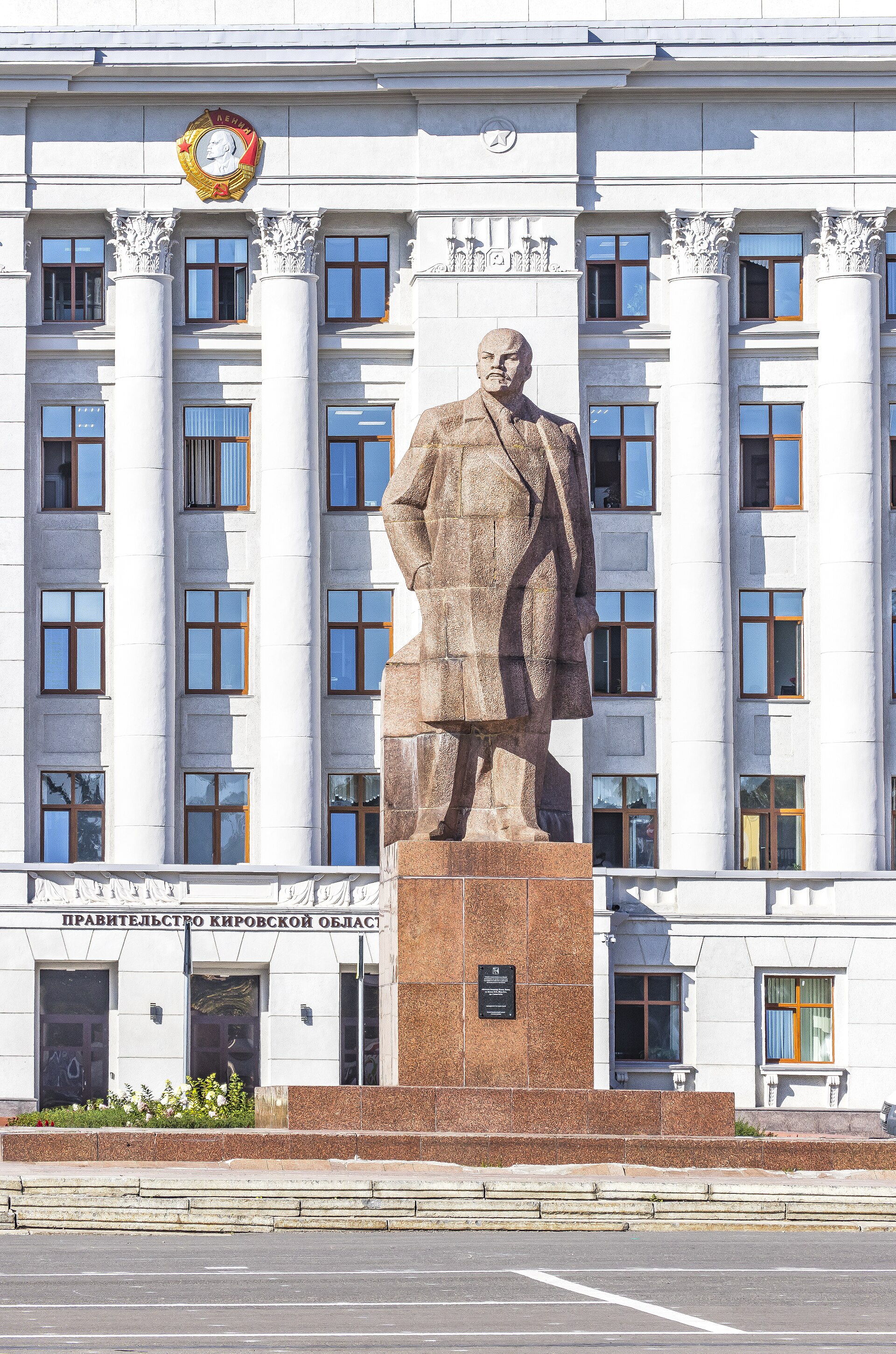
Theater Square in Kirov is one of those places where the city reveals itself slowly, without fuss or pretension. Tucked in the heart of the city where its main streets converge, it feels as if it has always been this way—solid buildings framing a broad, open space, the unhurried rhythm of people going about their day or simply wandering without purpose. The square doesn’t demand attention, and that’s precisely why it lingers in memory. It’s the quiet, unassuming core of the city, a place to pause, catch your breath, and sense the true character of Kirov.
The history of Theater Square is woven into the city’s evolution as a cultural and administrative hub. In the 19th century, it was home to the city duma, and as Kirov grew, the square became a vital public space. By the Soviet era, its appearance had taken its final shape—new buildings rose, sidewalks expanded, and monuments were installed, now inseparable from the city’s identity. Theaters, cinemas, and cultural centers sprang up around it, turning the square into more than just a place to stroll. It became a meeting point of past and present, where the city’s layers unfold with every step.
The architecture of Theater Square tells its own story, a blend of eras and styles. Classical 19th-century facades stand alongside imposing Soviet structures and more recent buildings trying to fit into the ensemble. The most striking feature is the drama theater, built in the mid-20th century. Its massive columns and tall windows command attention, especially in the evening when the lights come on, casting a solemn glow. Nearby, a cinema with the clean, functional lines typical of Soviet design anchors the scene, while residential buildings—once considered models of urban comfort—complete the picture.
But Theater Square isn’t just about aesthetics; it’s alive with activity. There’s always something to do—catch a play at the theater, visit an exhibition at a nearby museum, or just sit on a bench and watch the city go by. In summer, concerts and festivals fill the air, while winter brings a skating rink and a towering Christmas tree. The square never stands still. It’s especially pleasant in warmer months, when the trees lining the sidewalks burst into leaf and the scent of flowers from the flowerbeds drifts through the air.
This is also a place where people gather. Couples meet here, friends catch up over coffee, and schoolchildren linger after classes. On weekends, the square buzzes with energy—some head to the theater, others stroll aimlessly, and a few duck into cafes for a quick bite. The atmosphere is welcoming, neither too loud nor too quiet, the kind of place where people feel at ease, as if they’re in their own neighborhood.
Despite being in the city center, Theater Square avoids the frenetic energy of bigger urban spaces. Maybe it’s because Kirov itself isn’t a metropolis, or perhaps it’s the thoughtful design—wide sidewalks, well-kept lawns, benches shaded by trees—that makes it feel so comfortable. Even during rush hour, the square doesn’t feel crowded, and in the evening, when the streetlights flicker on, it becomes even cozier.
For locals, Theater Square isn’t just a landmark; it’s part of daily life. It hosts parades, rallies, concerts, and festivals, becoming the stage for the city’s biggest moments. During New Year’s celebrations, the main Christmas tree stands here, transforming the square into a winter wonderland. In summer, fairs and festivals draw visitors from across the region. But even on ordinary days, the square retains its charm—open to anyone who wants to take a walk, relax, or meet a friend.
More than any guidebook, Theater Square reveals the essence of Kirov. It shows how the city has changed over the decades, how its culture has evolved, and how its character has taken shape. It’s not just an architectural ensemble; it’s a living space that grows and adapts with the city. While Kirov may not have the fame of Moscow or St. Petersburg, its Theater Square holds its own in authenticity and warmth. It doesn’t try to impress tourists, and that’s exactly why it feels so genuine to those who call it home.