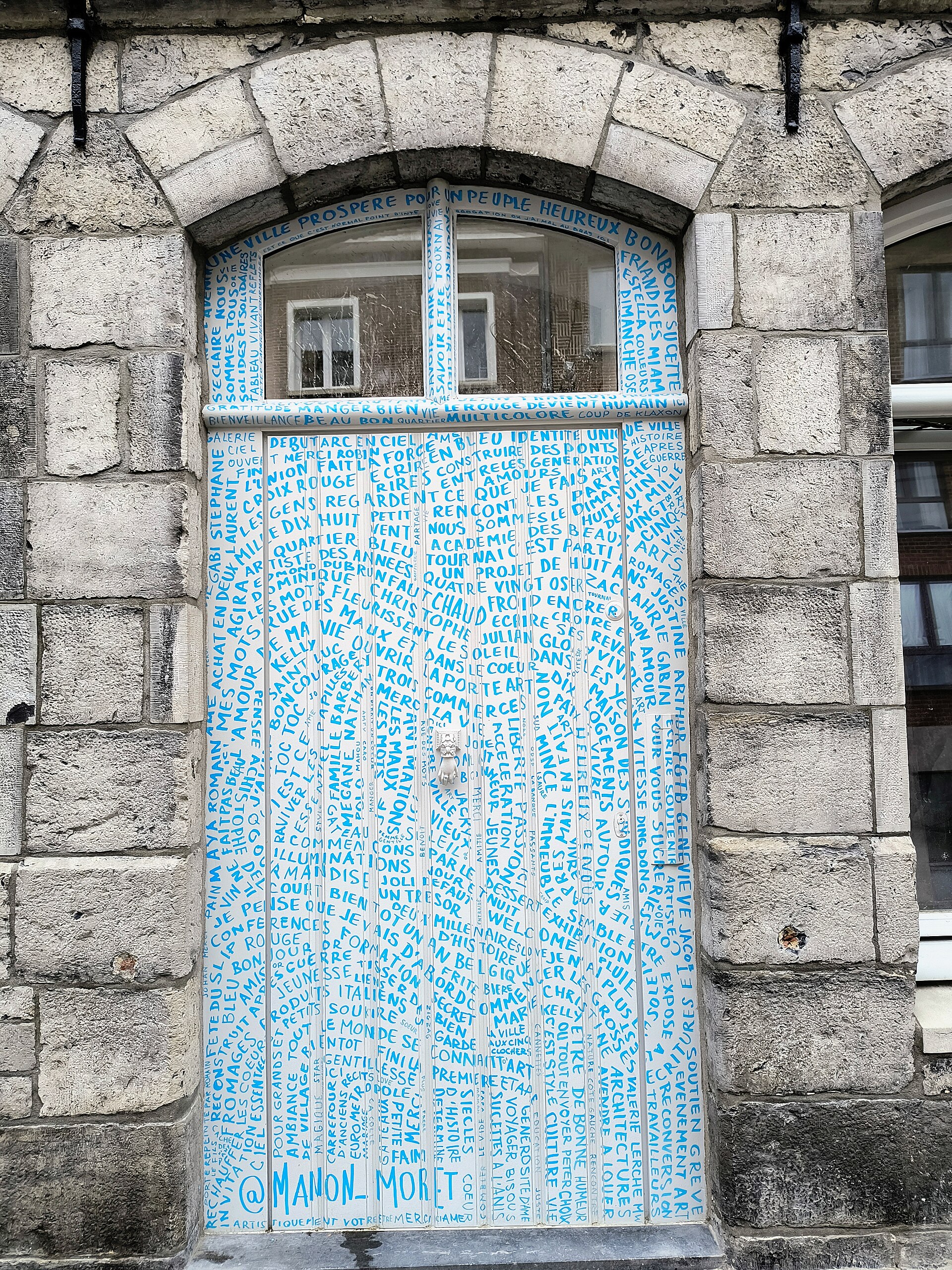
Tournai’s theatre is one of those rare places that feels suspended in another era, as if the past hasn’t quite let go of its grip. Tucked into the heart of the city, it isn’t just a building—it’s a living piece of history where architecture and art merge with the rhythms of everyday life. Tournai itself is one of Belgium’s oldest cities, with a cultural legacy that runs deep, and the theatre has long been at its center, not just as a stage for performances but as a symbol of resilience and continuity.
The theatre took shape in the nineteenth century, a time when Europe was in the throes of a theatrical renaissance. Tournai, then a thriving industrial hub, saw its bourgeoisie eager to assert their status through cultural patronage. The theatre was conceived as a gathering place where one could enjoy a performance while also displaying refinement and wealth. Its architecture reflects the tastes of the era: the façade is adorned with classical columns, while the interiors are a study in opulence, with intricate moldings, gilded details, and grand chandeliers that still cast their warm glow over the space. Walking through its halls, you can almost hear the murmurs of past audiences, the rustle of silk gowns, and the quiet applause that once filled the air.
Yet for all its age, the theatre hasn’t become a relic. It remains a working stage, hosting everything from timeless classics to contemporary works. Since Tournai lies in Belgium’s French-speaking region, most performances are in French, though the repertoire is broad—Shakespeare and Molière share the bill with modern Belgian playwrights. Occasionally, touring companies bring in productions in other languages, adding a fresh layer to the city’s cultural life. The theatre’s programming is thoughtful, balancing tradition with innovation, and its audiences are just as diverse, from longtime patrons to curious newcomers.
What makes the theatre truly special is its setting. It sits in Tournai’s historic center, surrounded by narrow medieval streets and centuries-old buildings that whisper stories of the past. Nearby, the Scheldt River flows quietly, its banks lined with old bridges and cafés where locals linger over coffee and conversation. In the evenings, when the theatre’s lights spill onto the cobblestones, the area comes alive. The streets hum with anticipation as audiences gather, and for a few hours, the city feels like it’s holding its breath, waiting for the curtain to rise.
Beyond performances, the theatre is a cornerstone of Tournai’s cultural identity. It hosts concerts, literary readings, and festivals, serving as a hub for the city’s creative life. In recent years, it has also become a platform for emerging artists and experimental projects, ensuring it stays relevant across generations. For many locals, the theatre is more than just a venue—it’s a place of memories, traditions, and shared history. Families have been attending for decades, passing down their love for the place like an heirloom.
The theatre’s survival is a testament to its significance. It has weathered wars, occupation, and neglect, yet each time it has been restored with care, preserving its original character. The façade still bears the marks of its nineteenth-century grandeur, while backstage, modern technology has been discreetly integrated to enhance performances. But the essence remains unchanged. Stepping inside, you’re transported to another time, where the air is thick with the weight of history and the promise of art.
Even if you don’t speak French, a visit to the theatre is worthwhile. The building itself is a masterpiece, from the sweeping staircase in the foyer to the plush seats of the auditorium. There’s a quiet dignity to the place, a sense that time moves differently here—slower, more deliberately. In Tournai, the theatre isn’t just entertainment; it’s a thread in the fabric of the city, woven over more than a century. And perhaps that’s why it still feels so alive, so necessary, as if the city itself would be incomplete without it.