The Manoel Theatre is one of those rare places where time seems to stand still, preserving the spirit of an era when art was more than entertainment—it was a way of life. Built in the mid-18th century at the behest of Grand Master António Manoel de Vilhena, the theatre was conceived as a gift to the people of Valletta. At the time, Malta was the stronghold of the Knights of St. John, and the theatre became both a cultural hub and a symbol of the order’s commitment to the city’s well-being. Today, it holds the distinction of being Europe’s oldest working theatre, still hosting operas, plays, and classical music concerts within its historic walls.
The theatre’s architecture is a study in understated elegance. Unlike the grand opera houses of Italy or France, the Manoel feels almost intimate, yet no less refined. Its oval auditorium, with three tiers of boxes adorned in gilded stucco and velvet, seats just six hundred people. There are no towering chandeliers or marble columns here—instead, the charm lies in the details. The carved wooden panels, the ceiling frescoes depicting allegories of the arts, and the soft, warm lighting all contribute to an atmosphere of quiet sophistication. Sitting in one of the boxes, it’s easy to imagine 18th-century nobility exchanging whispers between acts, their attention never straying far from the stage.
The theatre has weathered its share of upheavals. During World War II, the building suffered significant damage from bombing raids but was painstakingly restored in the postwar years. Another major renovation in the 1990s returned the interiors to their original splendor, with particular attention given to the ceiling. Painted by Maltese artist Giuseppe Calì, the frescoes are now considered some of the finest on the island. Remarkably, the theatre never ceased its operations, even during the most turbulent times. Performances continued, albeit in a reduced capacity, ensuring that the arts remained a constant presence in Valletta’s life.
Beyond its role as a performance venue, the Manoel Theatre functions as a living museum. Visitors can explore the backstage areas, where vintage costumes and props are still stored, or step onto the stage to experience the thrill of standing where countless actors have performed. The foyer displays photographs of renowned artists who have graced the theatre, from opera singers to jazz musicians. A collection of posters and programs offers a glimpse into how the theatre’s repertoire has evolved over the centuries, including rare pieces like the playbill from the very first performance in 1732.
The theatre’s programming remains firmly rooted in classical traditions. Operas by Verdi and Puccini, ballets by Tchaikovsky, and symphonic concerts are staples of the season. Yet, the Manoel occasionally ventures into contemporary works, experimental projects, or performances by local artists. One of the highlights of the year is the summer open-air concerts, where music spills onto the square outside, and audiences gather on the steps or with blankets in tow. These evenings have a relaxed, almost festive air, as if time itself slows down to savor the moment.
More than just a building, the Manoel Theatre is a piece of Malta’s cultural memory. It serves as a reminder of how art has brought people together across different eras—whether knights, colonial officials, or modern-day visitors. There’s no pretension here, just authenticity: the creak of floorboards, the rustle of programs, the quiet murmur of anticipation before a show begins. Even those who aren’t fans of classical music will find something to appreciate in the theatre’s atmosphere, a tangible connection to old Valletta that lingers in every corner.
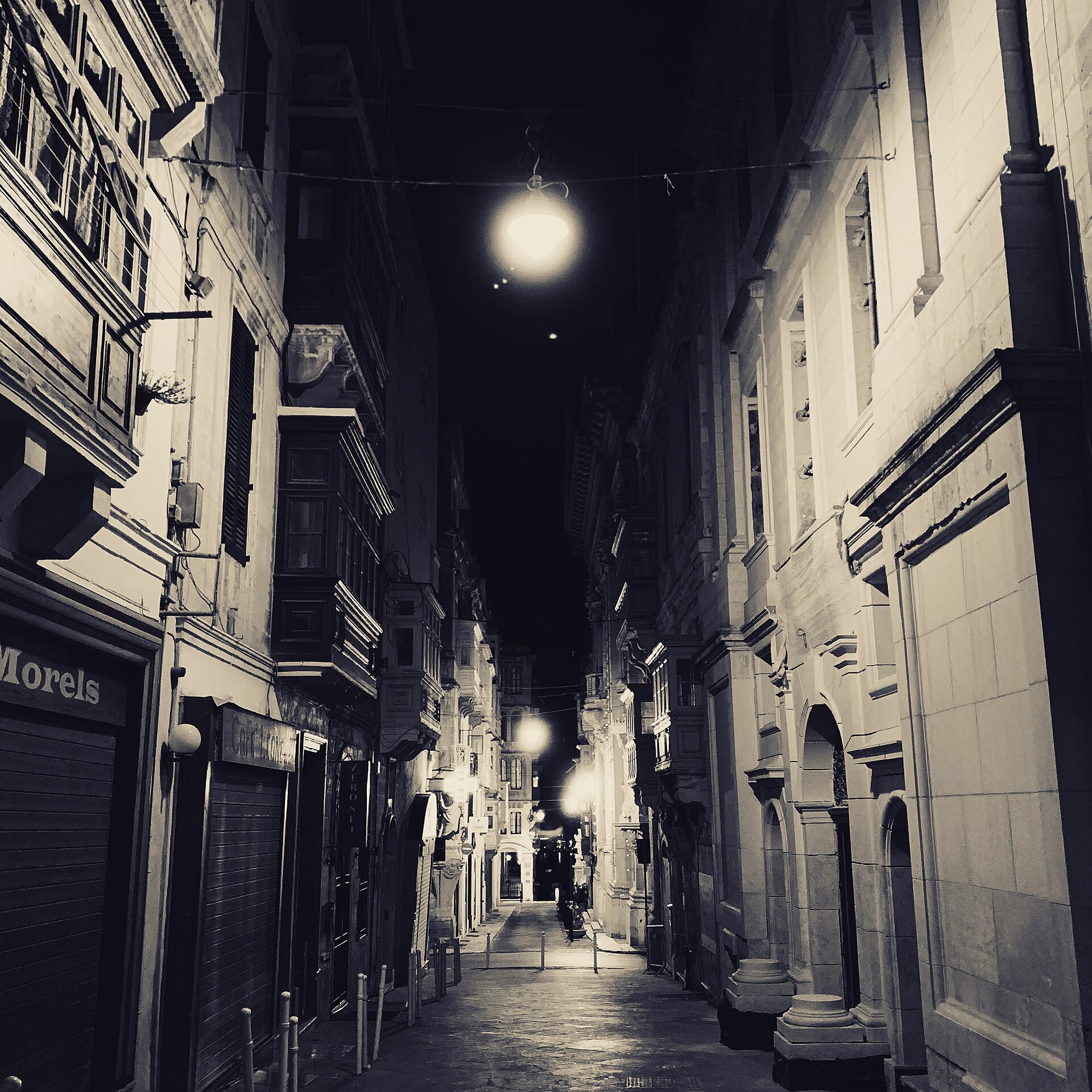
For those planning a visit, it’s worth noting that guided tours aren’t available daily, so checking the schedule in advance is a good idea. Tickets for performances should also be booked early, especially for popular productions. But even if you only pass by on one of Valletta’s narrow streets, the theatre’s façade—with its balcony and arched windows—is unmistakable. And if you’re lucky, you might catch the sound of a piano or violin drifting through the open doors on an evening rehearsal, a small but unforgettable glimpse into the life of this enduring cultural landmark.