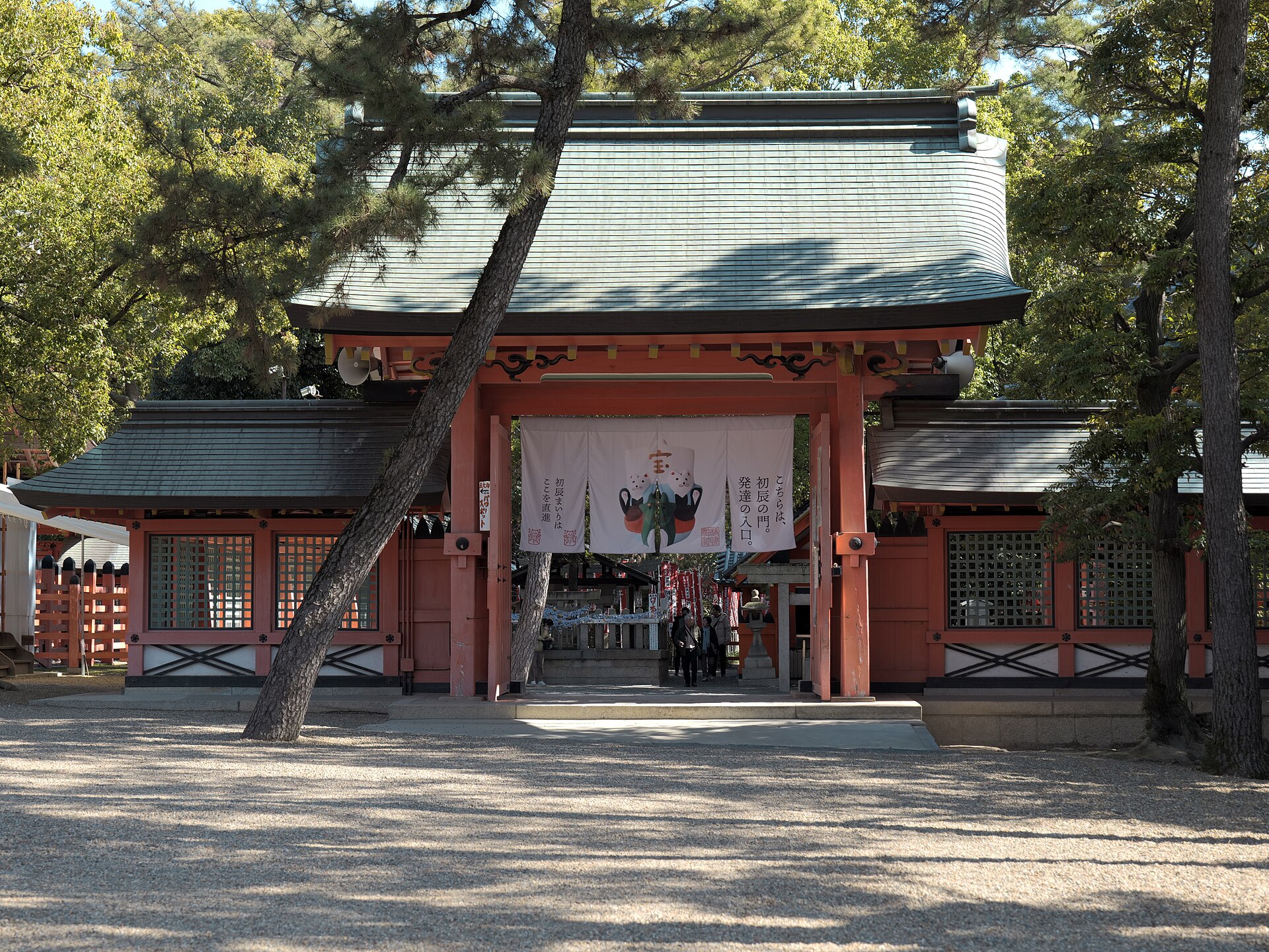
Sumiyoshi Taisha is one of Japan’s oldest Shinto shrines, standing as the principal sanctuary among some two thousand others dedicated to the same deities. Its origins trace back to the third century, according to tradition, when it was founded to honor the gods of the sea and safe voyages. For centuries, sailors and fishermen would come here before setting out on their journeys, seeking protection from the unpredictable waters. Even today, the shrine retains its deep connection to maritime culture, though its significance has expanded beyond its original purpose.
What makes Sumiyoshi Taisha truly remarkable is its architecture. The four main structures follow the *Sumiyoshi-zukuri* style, a rare and ancient form that predates the arrival of Buddhism in Japan. Unlike later shrines influenced by continental designs, these buildings feature straight, uncurved roofs, unpainted wooden walls, and thatched eaves—elements that reflect a distinctly Japanese aesthetic. The craftsmanship is so revered that every twenty years, the buildings are carefully dismantled and reconstructed using the same traditional methods and blueprints, ensuring their survival for future generations.
The most striking feature at the entrance is the Sorihashi Bridge, an arched stone structure with a steep incline that seems to rise almost vertically. Crossing it is said to purify the soul, a belief that adds a sense of ritual to the approach. The descent can be trickier than the climb, especially when the bridge is wet, though railings have been added for safety. The bridge isn’t just a functional path—it’s a threshold, marking the transition from the ordinary world into sacred space.
Throughout the year, the shrine grounds are quiet, with only a handful of visitors wandering among the stone lanterns, small subsidiary shrines, and tranquil ponds. The atmosphere is one of serene simplicity, a place where time seems to slow. But this changes dramatically during the New Year, when over two million people flock here for *Hatsumode*, the first shrine visit of the year. For a few days, the grounds are alive with activity, open around the clock as families and individuals come to pray for good fortune in the months ahead.
The rituals here follow the same patterns observed at most Shinto shrines. Before approaching the main halls, visitors stop at the purification fountain to rinse their hands and mouth—a symbolic act of cleansing. Wooden ladles are provided, and the process is straightforward, though it’s worth watching how others do it if you’re unfamiliar. The shrine’s layout encourages a leisurely stroll, with enough space to pause and take in the details, from the weathered wood of the buildings to the moss growing on the stone lanterns.
Inside the shrine’s small shop, you’ll find amulets and charms tied to its maritime heritage. Some are meant to ensure safe travels, while others offer protection for those who work at sea. These tokens are simple but meaningful, often taken home as souvenirs or kept as personal talismans. The shop itself is unassuming, blending into the surroundings rather than standing out as a commercial space.
Getting to Sumiyoshi Taisha is easy, especially if you’re coming from central Osaka. The nearest stations are just a short walk from the entrance, and the route is well-marked. Once you arrive, the shrine feels like a world apart from the city’s hustle, even though it’s only a short tram or train ride away. On weekdays, you might have the place almost to yourself, which makes it an ideal spot for those who prefer to explore without crowds.
The shrine’s enduring presence is a testament to its cultural and spiritual importance. It has witnessed centuries of change—wars, natural disasters, the rise and fall of empires—yet it remains a place of quiet reverence. Whether you come for its history, its architecture, or simply to experience a moment of stillness, Sumiyoshi Taisha offers something that feels both ancient and timeless. There’s no admission fee, and the grounds are open from early morning, giving you the freedom to visit at your own pace. Just be mindful of the weather if you plan to cross the Sorihashi Bridge—the stones can be slippery when wet.