- Home
- Russia
- Poplar Village
- Saint Urbat Church
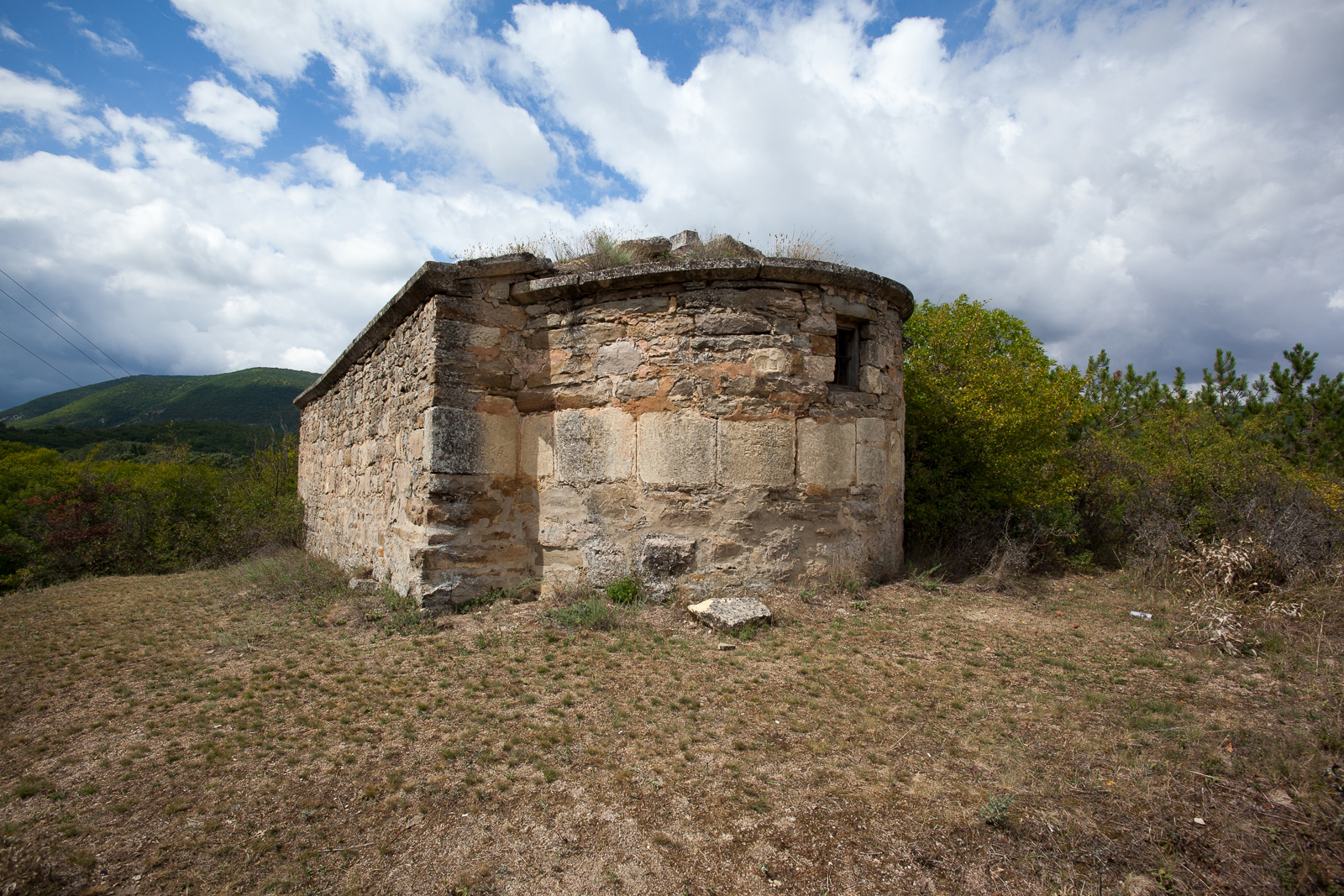
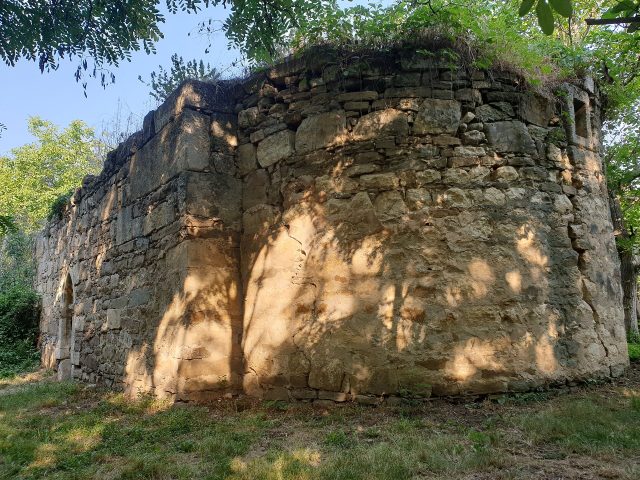
Photo: Klymenkoy, CC BY-SA 3.0
Saint Urbat Church
out of 5 0 ratingsSurb-Urbat is one of those quiet places that exist just beyond the edges of most maps. Tucked away in the village of Poplar, in Russia’s Far East, this small wooden church doesn’t draw crowds like Moscow’s cathedrals or the monasteries of the Golden Ring. It stands plainly, its meaning rooted in the stories it holds—stories of faith, displacement, and memory.
Built in the late 19th century, Surb-Urbat was the work of an Armenian community that had settled in the Primorsky Krai region. The Russian Empire encouraged migration to its eastern territories, offering land to those willing to secure its borders. Armenians from the Caucasus arrived, bringing their language, traditions, and the Armenian Apostolic faith. For them, the church was a piece of home in a new land, a place to gather and pray.
The architecture is simple. Wooden walls, darkened by time, support a modest dome shaped like those of traditional Armenian churches. Inside, there are a few icons, worn books, and silence. The creak of floorboards sounds like a whisper from the past.
Locals remember when the church filled with Armenian hymns during services. Families traveled from across the region to attend.
Over time, the community that built Surb-Urbat shrank. Some left for cities, others blended into the broader population, and the church lost its regular congregation. Yet it was never abandoned. Even those who weren’t Armenian saw it as part of their history. During the Soviet era, it became a storage shed but wasn’t demolished. In the 1990s, it was restored as a church, though services are now rare. Most days, it stands empty, open to anyone who steps inside.
Poplar Village is small. For many residents, Surb-Urbat is a connection to the past. Older villagers recall playing near it as children, listening to grandparents tell stories of when it was a center of community life. Today, the village moves slowly, and the church feels like a place where time stands still. There are no crowds, just the rustling of poplar leaves.
Surb-Urbat is unusual because it’s remote. Other Armenian churches in Primorsky Krai, like those in Ussuriysk or Vladivostok, are easier to reach. This one is off the main roads, down unpaved tracks. The journey isn’t simple, but that’s part of why it feels worth it. You arrive at a place untouched by tourism, where the only reward is silence and reflection.
The church sits on a gentle rise, surrounded by fields and forest. In summer, the land is green; in winter, it’s covered in snow. On clear days, the view stretches to distant hills. The original builders chose this spot—high enough to feel close to the sky, but still part of the quiet countryside.
Surb-Urbat is a reminder of how different cultures shaped this region. Armenians, Russians, Ukrainians—all left their mark. The church doesn’t seek recognition, but for those who find it, it offers a space to think about the past and the ties that connect people across time.
If you travel through Primorsky Krai, consider a detour to Poplar Village. Not to check off a tourist site, but to visit a place where time moves differently. There are no signs, no stalls, no crowds—just the church, the trees, and the sky. That’s the value of Surb-Urbat: it invites you to slow down and listen.
Day around this place
Where else to go on the same day
Building the day…
Where it is
45.00556, 34.88528