Tyre, known in ancient times as the Phoenician city of Sur, is one of the oldest continuously inhabited places in the world. It sits on Lebanon’s Mediterranean coast, its stones and streets holding millennia of history. The salt-tinged air carries the weight of empires that rose and fell here. The past isn’t locked in museums—it’s in the crumbling columns of Roman baths, the weathered walls of Crusader fortresses, and the quiet persistence of a city that refuses to fade.
The Phoenicians, master sailors and traders, founded Tyre over five thousand years ago. By the third millennium BCE, it was a vital hub, its ships reaching Spain and North Africa with glass, cedar wood, and purple dye from sea snails. The city was a center of myth and power, home to the temple of Melqart. Later, King Hiram of Tyre supplied cedar and craftsmen for Solomon’s Temple in Jerusalem. Even after Alexander the Great’s siege in 332 BCE, when his engineers built a causeway to conquer the island city, Tyre endured, adapting to new rulers while keeping its commercial and cultural role.
The ruins of ancient Tyre are split across two sites. On the mainland, the Roman hippodrome—one of the largest ever built—still holds the ghostly echoes of chariot races. Nearby, baths, colonnades, and mosaics show the city’s former scale. Across the water, the former island (now a peninsula) has Phoenician temples, Byzantine churches, and medieval fortifications. The stones here seem to hum with stories, though they don’t give them up easily.
The Crusaders left their mark in the 12th century. Tyre’s natural harbor and fortifications made it a strategic prize. They reinforced the old Phoenician walls, adding towers and moats. Today, the ruins of their castle still overlook the sea and the modern city. Standing among the broken arches, you feel the weight of history—the clash of swords, the prayers of soldiers, the slow erosion of time.
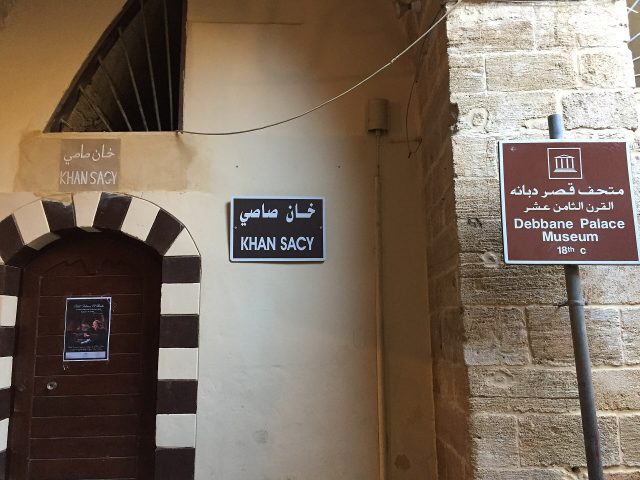
Tyre is more than ruins. It’s a city of around 100,000 people, where daily life unfolds against an ancient backdrop. The old port bustles in the early morning as fishing boats unload their catch. The narrow streets of the old town have Ottoman-era houses with carved wooden balconies, their walls faded by sun and salt. In the evenings, families gather in cafés for mezze—hummus with local olive oil, falafel, and warm flatbread—while the scent of grilled fish drifts from the waterfront.
Summer heat slows the city to a doze. But as the sun drops, life returns. Children play on the beach, their laughter mixing with the cries of seagulls. Fishermen mend nets on the shore. Old men sip coffee on benches, debating the news. Tyre doesn’t perform for visitors. It simply exists, letting its history speak for itself.
The city has survived wars, earthquakes, and conquests without losing its identity. It hasn’t been sanitized for mass tourism. Locals still tell stories of Alexander’s siege, Crusader battles, and more recent conflicts, passing them down through generations. These tales are part of the city’s pulse, as real as the waves against the harbor walls.
Tyre invites you to step into its continuum. You can wander Roman ruins in the morning, then swim in the same sea that carried Phoenician ships. Visit a workshop where artisans make glassware using ancient techniques. Lose yourself in the old souk, where spices and fresh bread fill the air. Whether you seek solitude or the chaos of the market, Tyre makes you feel like a temporary keeper of its stories.
Unlike Beirut’s energy or Baalbek’s grandeur, Tyre moves at its own pace. Time feels elastic here. The past isn’t just preserved—it’s lived. There’s no need to rush. No checklist of sights. Just wander. Sit by the sea. Listen to the wind carrying whispers from long ago. In Tyre, history isn’t something you observe. It’s something you walk through, touch, and carry with you after you leave.