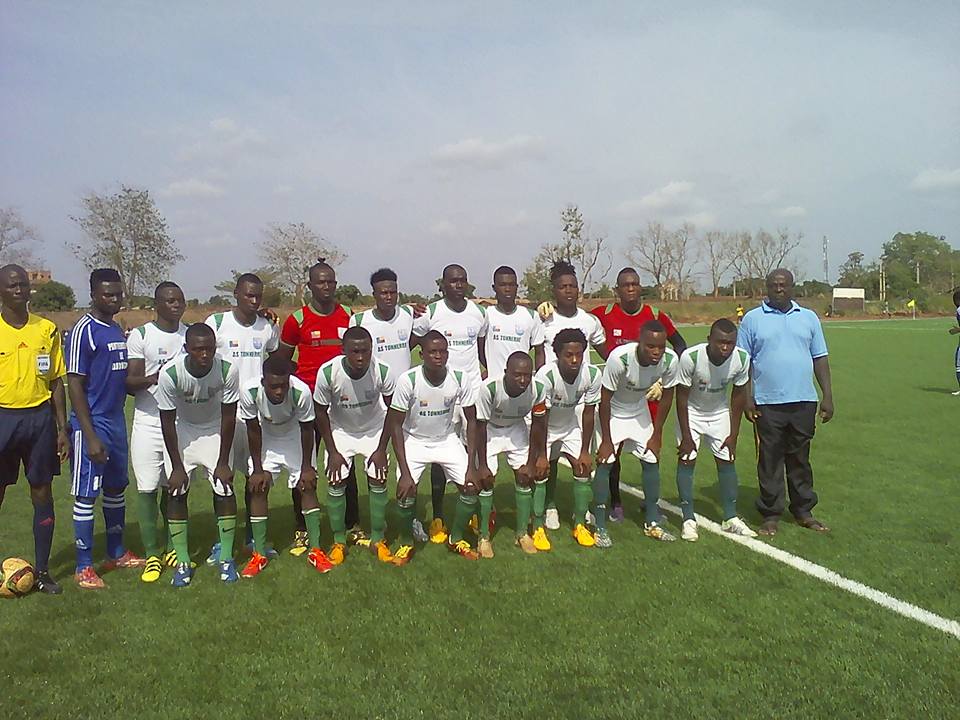
Bohicon’s municipal stadium is one of those places that doesn’t announce itself with grandstands or neon lights, yet somehow becomes the heart of the city. Tucked into the center of town, it’s where the rhythm of daily life intersects with something deeper—the quiet, persistent love of football that runs through Benin like a second language. You won’t find luxury boxes or polished corporate sponsors here. Instead, the stadium feels lived-in, shaped by the people who use it not just for matches, but for everything else in between: impromptu kickabouts, evening strolls, or simply a place to sit and watch the world go by.
The architecture is straightforward, almost unassuming. The stands are low but sturdy, built from concrete and metal to withstand the climate and the years. They can hold a few thousand spectators, though on most days, the crowd is smaller—a mix of regulars who come to watch local teams, kids darting across the dusty patches of ground nearby, and older men who settle onto the benches with the easy familiarity of habit. The pitch itself is a study in contrasts: lush and green during the rainy season, when the air smells of damp earth, but worn and patchy in the dry months, when the sun bleaches the grass and the wind kicks up dust. It’s not pristine, but that’s part of its charm. This is a place that bears the marks of use, not neglect.
Football in Benin isn’t just a sport; it’s a thread woven into the fabric of communities, and stadiums like this one are where that connection is strongest. For decades, the municipal stadium in Bohicon has been a proving ground for local talent. Many players who started here went on to join the national team or sign contracts abroad, though few ever forget where they came from. The stadium has hosted regional tournaments and occasional matches for visiting clubs, but its real significance lies in the smaller, everyday moments—the youth teams training at dusk, the weekend games where the stakes are low but the passion is real, the way the whole neighborhood seems to lean in when the home side is playing.
What makes the stadium special isn’t just the football, though. It’s the way it functions as a gathering place, a kind of open-air living room for the city. On match days, the energy is electric: drums beat in the stands, voices rise in song, and the air hums with anticipation. Families spread out blankets on the grass, vendors weave through the crowd selling cold drinks and grilled plantains, and children dart between the legs of adults, mimicking the moves of their favorite players. Even those who aren’t particularly interested in the game often find themselves drawn in, caught up in the collective excitement. After the final whistle, the conversations linger—about the match, about life, about anything and everything.
The area around the stadium has its own rhythm, too. On ordinary days, the streets nearby are quiet, lined with small shops selling basics like water, snacks, and phone credit. But when a big game is on, the atmosphere shifts. Makeshift stalls pop up under the trees, offering everything from hand-painted team scarves to fried dough balls dusted with sugar. The scent of cooking oil and spices mixes with the earthy smell of the field, and the sound of laughter and chatter spills out onto the pavement. For a few hours, the stadium isn’t just a place to watch football—it’s the center of the universe for everyone who’s come to be part of it.
Like many public spaces in West Africa, the stadium faces its share of challenges. Funding is always tight, and maintenance is a constant struggle. The seats could use fresh paint, the floodlights flicker on some nights, and the pitch bears the scars of heavy use. Occasionally, local authorities or community groups step in to make repairs, patching up what they can with limited resources. But no one expects a complete overhaul. The stadium isn’t meant to be flawless; it’s meant to be functional, a place where people can come together regardless of its imperfections.
What’s striking about Bohicon’s stadium is how little it cares about appearances. There are no tourist brochures here, no guided tours or Instagram-worthy backdrops. Instead, it offers something rarer: a sense of authenticity. This is a place where the line between spectator and participant blurs, where the game is just an excuse for the real event—the coming together of a community. If you visit on a match day, you might not understand the rules, or even who’s winning, but that doesn’t matter. The point isn’t the score. It’s the way the crowd sways in unison when a goal is scored, the way strangers high-five as if they’ve known each other for years, the way the energy of the place seeps into you until you feel like you’re part of something bigger.
In a world where so many experiences are curated and commercialized, places like this remind you of what really matters. The stadium in Bohicon isn’t trying to be anything other than what it is: a patch of ground where people gather to play, to cheer, to argue, to laugh. It’s not glamorous, but it’s real. And in its own quiet way, it tells you everything you need to know about the city and the people who call it home.