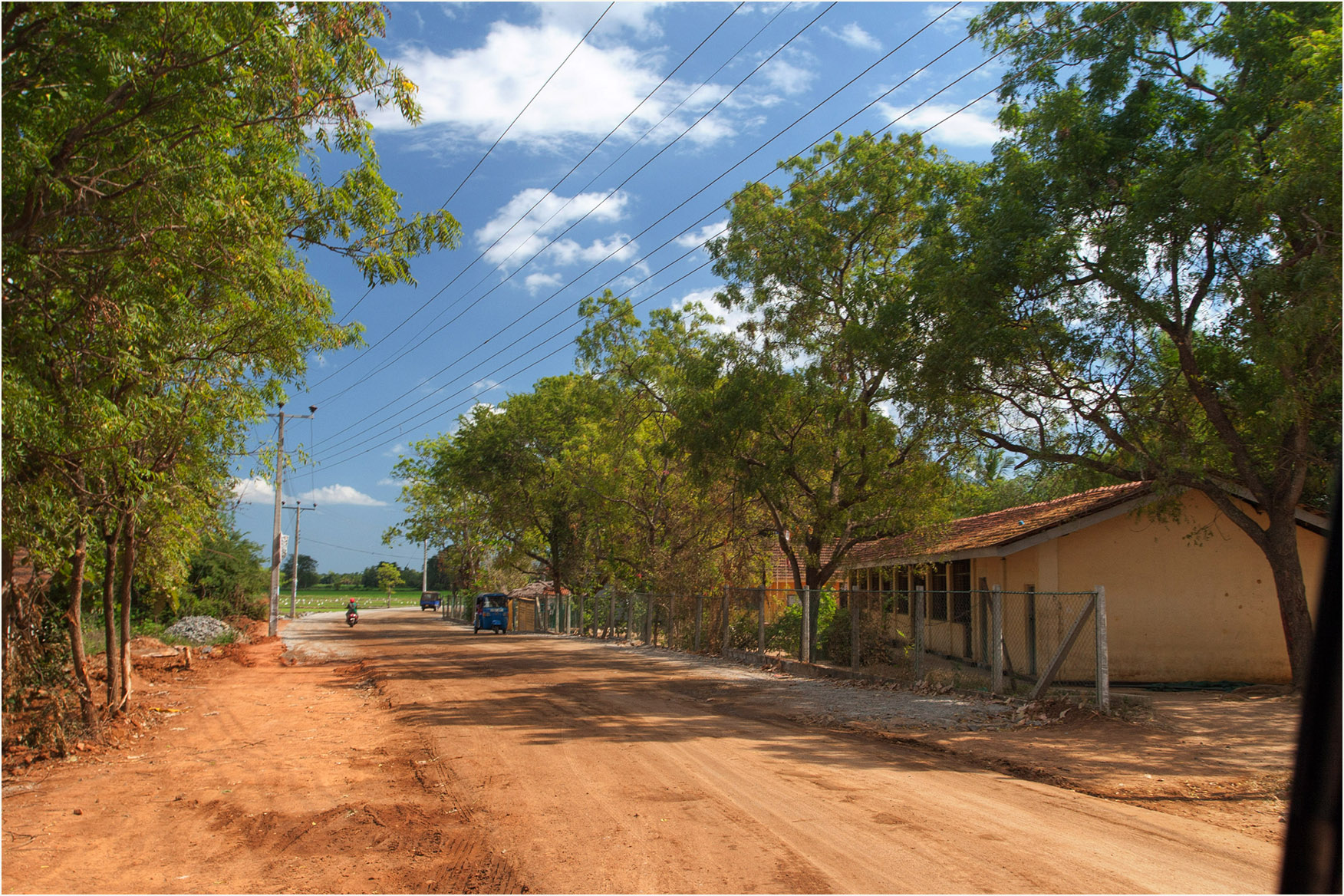
Mahinda Rajapaksa International Stadium sits on the edge of Hambantota, a town that feels more like a quiet outpost than a bustling city. Built in 2009, the stadium was part of a larger push to transform this southern coastal region into a hub for sports and infrastructure, though its story is as much about ambition as it is about cricket. The location itself is striking—flat, sunbaked land stretching toward the Indian Ocean, with the occasional palm tree breaking the horizon. It’s a place where the heat lingers long after sunset, and the air carries the faint saltiness of the nearby sea.
The stadium was named after Sri Lanka’s former president, Mahinda Rajapaksa, who hailed from this part of the country and saw Hambantota as a key piece in his vision for national development. Construction was swift, funded by Chinese investment as part of broader economic ties between the two nations. At the time, it was one of the most modern cricket grounds in Sri Lanka, designed to host international matches with a capacity of around 35,000 spectators. The architecture is functional rather than grand—wide concrete stands, a simple roof to shield fans from the sun, and floodlights that turn the pitch into a glowing stage under night skies.
For most of the year, the stadium stands empty, its vast expanse of seating gathering dust. Hambantota isn’t a place where cricket is woven into daily life the way it is in Colombo or Kandy. The town’s rhythm is slower, shaped by fishing boats, salt pans, and the occasional cargo ship passing along the coast. But when a match does come to town, the atmosphere shifts. Fans from across the country descend, turning the stadium into a sea of blue and gold, the colors of the Sri Lankan team. The noise is deafening—drums, chants, and the crack of leather on willow echoing across the open ground.
The stadium’s significance goes beyond cricket. It was meant to symbolize progress, a statement that even the country’s less-developed regions could host world-class events. In 2011, it became one of the venues for the ICC Cricket World Cup, co-hosted by Sri Lanka, India, and Bangladesh. For a few weeks, Hambantota was on the global map, its name appearing in sports headlines alongside far larger cities. Yet after the tournament, the stadium’s use dwindled. International matches became rare, and the grand plans for a surrounding sports complex never fully materialized.
Today, the stadium is a curious mix of potential and neglect. The pitch remains well-maintained, a testament to the groundskeepers who tend to it year-round, but the stands often feel half-empty even during local matches. The surrounding area has seen some development—a new highway, a port, and an international airport—but Hambantota itself remains a place of quiet contrasts. The stadium’s floodlights still blaze during night games, casting long shadows over the empty roads leading to it.
For visitors, the stadium offers a glimpse into Sri Lanka’s complicated relationship with development and ambition. It’s not a place that draws crowds of tourists, but those who do visit—whether for a match or just to walk around the grounds—often leave with a sense of something unfinished. The heat, the silence, and the occasional sight of a lone security guard patrolling the perimeter make it feel like a monument to a dream that hasn’t quite taken hold.
Yet there’s a certain charm to it. On non-match days, the stadium is open to the public, and locals sometimes use the outer areas for exercise or leisurely walks. Children play cricket on the practice pitches, their games a smaller, more spontaneous version of the spectacle that occasionally unfolds on the main ground. The stadium may not be the thriving hub it was meant to be, but it’s still a part of Hambantota’s identity—a reminder of what was hoped for and what remains.