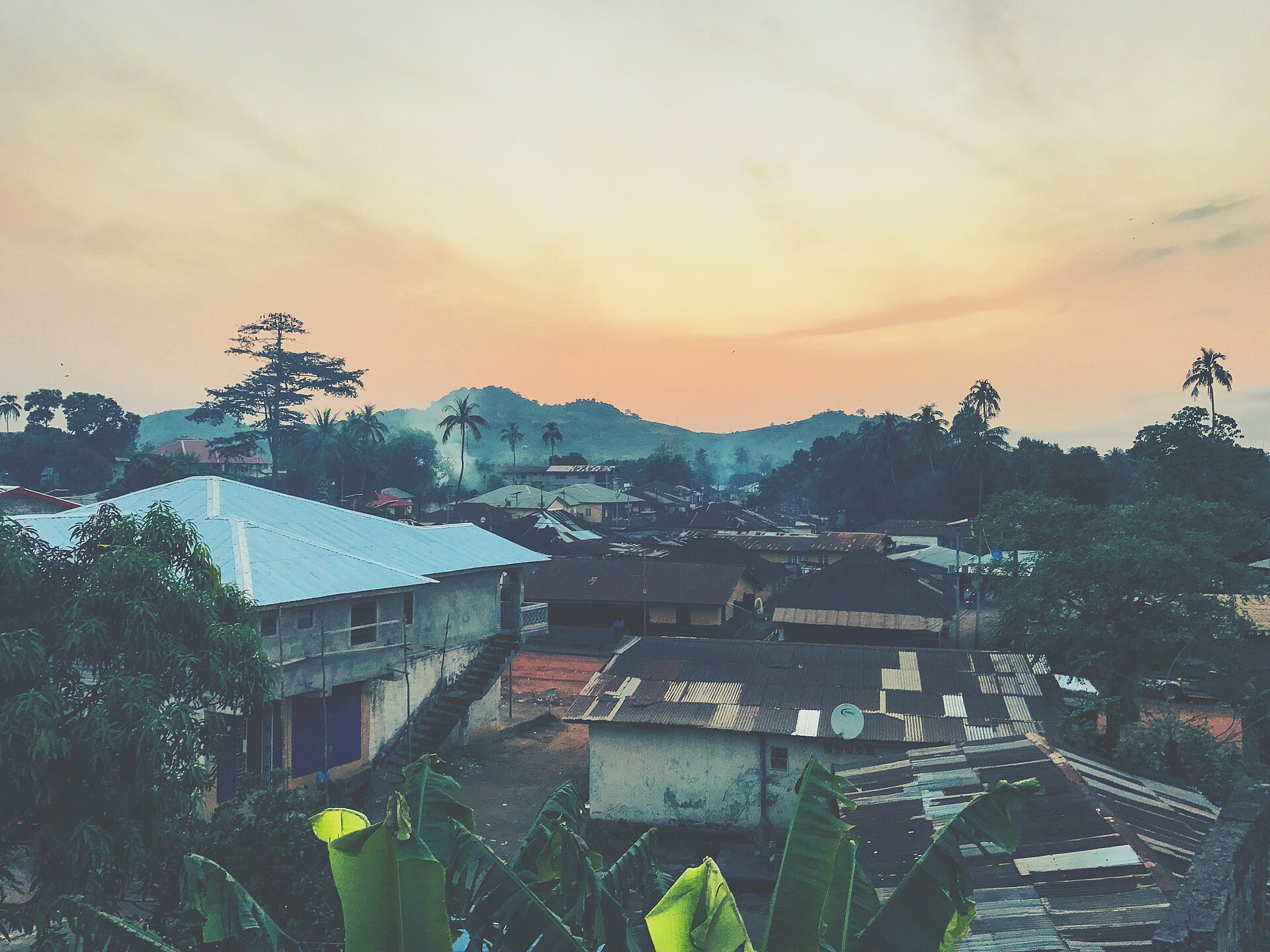
Makeni Stadium might not be the kind of place that grabs your attention at first glance. Tucked away on Pain Street in Sierra Leone’s second-largest city, it’s easy to overlook if you’re just passing through. But for those who live here, the stadium is woven into the fabric of daily life. It’s more than just a sports ground—it’s a gathering spot where people of all ages come together, whether for a football match, an athletics competition, or one of the many community events that spill onto its grounds. By global standards, it’s modest, but in Makeni, it means something deeper than its size suggests.
The story of the stadium is tied to the city’s own struggles and resilience. Makeni has long been a commercial and transport hub, but like much of Sierra Leone, it bore the scars of the civil war that ended in the early 2000s. As the country slowly rebuilt, the stadium became a symbol of that recovery—a place where people could set aside their hardships, even if just for a few hours, and find joy in the simple act of coming together. Its construction and later renovations reflected the hope for a better future, though progress hasn’t always come as quickly as people might have wished.
There’s nothing flashy about the stadium’s design. It’s a straightforward structure, much like many others across African cities: open-air stands, a dirt running track, and a natural grass pitch. The architecture is purely functional, with no grand ambitions. On scorching afternoons, the shade from the stands offers some relief to spectators, and in the evenings, when the heat finally eases, the place comes alive. It doesn’t pretend to be anything more than what it is—a place that serves its purpose, reliably and without pretense.
Football in Sierra Leone isn’t just a game; it’s a passion that runs deep. At Makeni Stadium, local matches draw crowds that may not rival the packed stands of Europe or South America, but the energy is just as real. The cheers, the chants, the occasional bursts of frustration—it all feels genuine. The most electric moments come during derby matches, when rival teams from Makeni and neighboring cities face off. On those days, the stadium fills to capacity, and the air hums with anticipation. For many, these games are a rare chance to forget everyday worries and lose themselves in the moment.
Beyond sports, the stadium plays a broader role in the community. It hosts concerts, festivals, and even political rallies. In a country where public spaces aren’t always easy to come by, places like this become invaluable. It’s not just about entertainment; it’s a place where people can meet, talk, and share experiences. During holidays, the atmosphere is especially lively—music spills from speakers, street vendors sell snacks, and children dart across the field, turning the stadium into a temporary playground.
Of course, the stadium isn’t without its challenges. The tropical climate—relentless sun, sudden downpours—takes its toll on the infrastructure. Maintenance is an ongoing struggle, and there have been times when matches were canceled because the pitch was too waterlogged or repairs were delayed. Local authorities and sports organizations do what they can, sometimes with help from international groups or sponsors, but more often than not, it’s the community itself that keeps the place running. Small fixes, volunteer clean-ups, and grassroots fundraising all play a part in keeping the stadium alive.
For visitors, Makeni Stadium might seem unremarkable at first. There are no luxury boxes, no giant screens, no polished facilities. But that’s part of its charm. This is a place where life unfolds as it is—unfiltered and unpretentious. You might see kids kicking a ball around after school, athletes training on the track, or groups of friends strolling along the sidelines in the cool of the evening. It’s not a tourist attraction, and it doesn’t try to be. Instead, it offers something rarer: a glimpse into the everyday rhythms of the city.
In recent years, there’s been a growing interest in sports across Sierra Leone, and Makeni Stadium has played its part in that shift. New teams have formed, tournaments have been organized, and young athletes have found opportunities to compete. The country is still far from being a sporting powerhouse, but every small step matters. The stadium isn’t just a relic of the past or a fixture of the present—it’s a symbol of what could be. For many, it represents the hope that sports might one day become a unifying force, bringing people together in ways that go beyond the field.
If you find yourself in Makeni, stopping by the stadium is worth the time—not for the sake of ticking off a sightseeing box, but to feel the pulse of the city. There’s no grand spectacle here, just the quiet hum of ordinary life. You can catch a match, buy roasted peanuts from a vendor, or strike up a conversation with a local fan. What you’ll find isn’t the polished version of sports you might see elsewhere, but something more authentic. At Makeni Stadium, football isn’t a business; it’s culture, community, and connection. It’s a place where life moves at its own pace, unhurried and unadorned, and that’s what makes it special.