The St. Lucia Botanical Gardens in Castries feel like a place where nature tells its own story, untouched by tourist flourishes. At the foot of volcanic hills, the gardens occupy what was once a colonial estate, its history stretching back to the days when the island changed hands between French and British rule. There are no manicured lawns or arranged displays—just the quiet rhythm of a tropical forest. The charm lies in its lack of pretense: no grandeur, no spectacle, only the island’s natural growth over time.
The land was once a sugar plantation, first cultivated by French settlers before passing into British hands. By the mid-20th century, the estate became a botanical reserve, collecting plants from St. Lucia, the Caribbean, and beyond. Some of the oldest trees, brought over in the 1800s, now shade the winding paths. Walking beneath them, you sense the weight of time since their planting.
A stroll here is slow, through dense greenery where every turn reveals something new. Giant bamboo sways, its hollow stems brushing together. Orchids peek from the foliage, while rare palms—some from distant islands—reach toward the sky. The gardens also hold medicinal plants used for centuries: aloe for burns, herbs for colds, and a small cocoa plantation, a nod to the beans that became one of St. Lucia’s key exports.
At the heart of the gardens, a waterfall cascades into a shallow pool. Locals say the water has healing properties, though no one’s proven it. Still, on a hot day, the sound of rushing water and butterflies over flowers makes it hard to leave. The pool isn’t deep, but it’s a good spot to sit, dip your feet, and take in the surroundings.
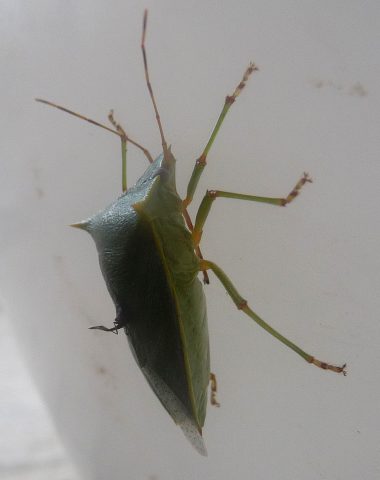
The gardens aren’t just about plants. Birds harder to spot elsewhere on the island live here—parrots, hummingbirds, and rare songbirds. Iguanas sun themselves on rocks, and lizards dart across paths. For those who prefer wildlife over beaches and resorts, this is a place of small discoveries. The animals aren’t tame, but if you’re patient, you might see something unusual.
The architecture blends in. Wooden bridges cross streams, benches line the paths, and simple signs identify plants. The only notable structure is an old stone house, once the estate manager’s home, now a modest museum. Inside, photographs, maps, and plantation tools show how the land was worked and how attitudes toward it shifted from exploitation to preservation. The exhibits aren’t flashy, but they tell a story.
Unlike formal gardens with neat rows, this place feels wild, as if nature is reclaiming the land after years of cultivation. There’s no order, no attempt to tame the growth. That rawness gives the gardens their character, making them feel less like an exhibit and more like a living space. Visitors wander as guests, not tourists. Maybe that’s why it attracts those looking for quiet, away from the city’s bustle.
Time slows here. You could spend hours on the winding paths, examining leaves and flowers, or sitting on a bench, listening to the wind. In the heat of the day, the shade offers relief. By late afternoon, the air is thick with the scent of blooming plants. The gardens don’t aim to dazzle. Their purpose is simpler: to remind you of nature’s beauty and fragility. And they do.