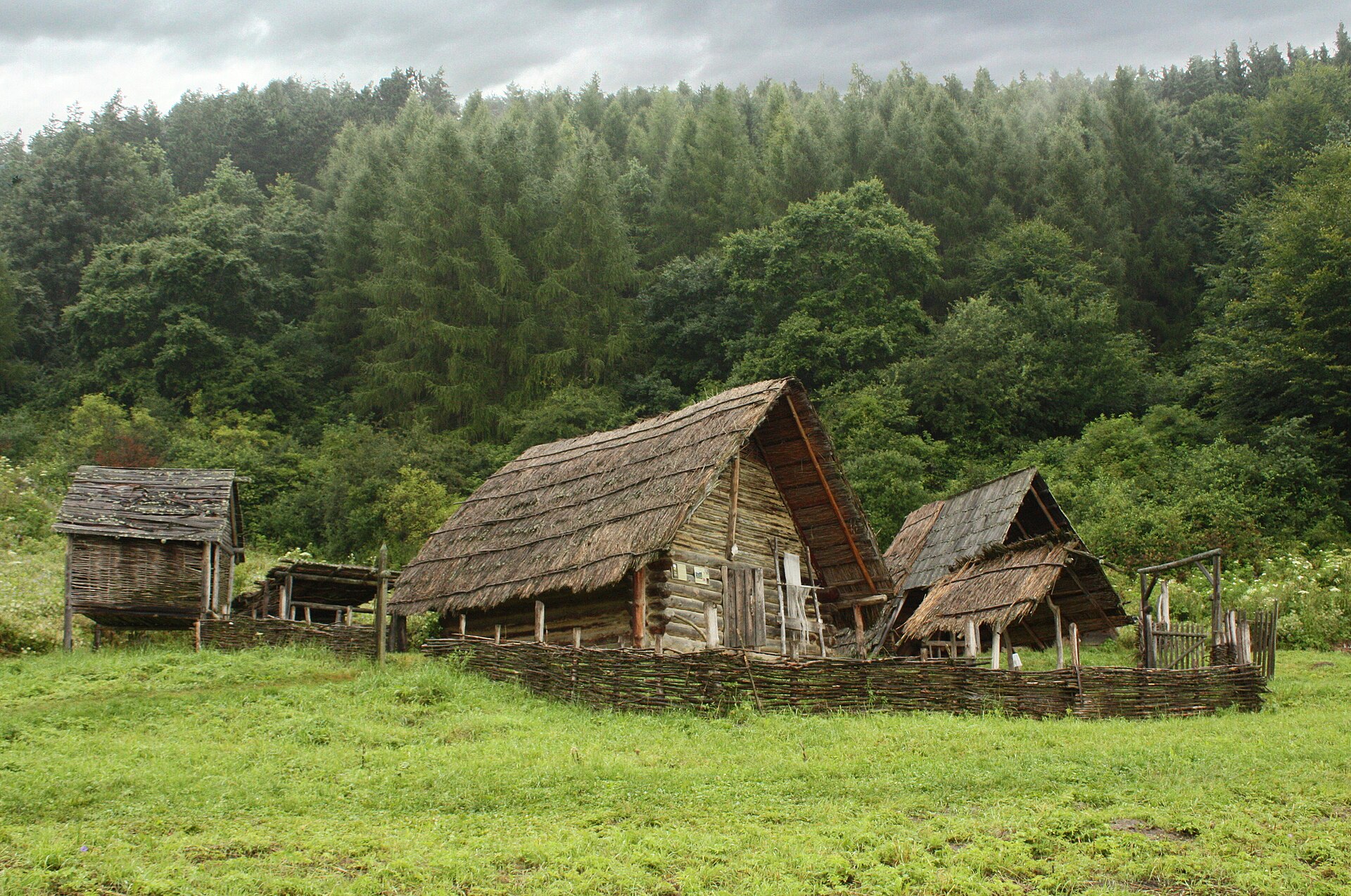
Havránok is one of those places that feels like it has always been here, as if the land itself shaped it rather than human hands. Perched on a gentle hill above Liptovská Mara reservoir, the wooden watchtower blends into the landscape so naturally that it’s easy to forget it was built just a few decades ago. Its purpose, though, goes beyond mere observation—it was designed as a tribute to the distant past, standing where a Celtic hillfort once dominated the valley. The tower’s form isn’t arbitrary; it was meant to echo, however faintly, the defensive structures that once guarded this strategic spot.
The name Havránok carries its own weight, rooted in the Slovak word for raven. Local stories claim these birds once circled the hill, acting as sentinels for the settlement below. Historians, however, suggest the name might stem from the hill’s shape—a dark, rocky outcrop that from a distance resembles a raven’s nest. Whatever the truth, the name stuck, and now it belongs not just to the tower but to the entire archaeological site sprawled at its base.
Climbing the tower is effortless, with wide steps and sturdy railings guiding the way. The real reward waits at the top. On clear days, the view stretches far beyond the reservoir’s winding shores, taking in the Low Tatras to the south and the Western Tatras to the north. Below, the reconstructed remains of the ancient settlement come into focus—earthworks, dwellings, and even a small temple where Celts once worshipped. Excavations here have been ongoing for decades, each season uncovering more evidence of the hill’s significance long before Slavs or Romans arrived.
The tower itself is built from wood and stone, materials the Celts would have recognized. Modern engineering ensures its durability, but the design stays true to the past, avoiding unnecessary embellishments. Inside, there’s little more than the staircase and a few informational plaques. In summer, the tower hums with activity—tourists chatting, children laughing, sometimes music drifting up from a nearby festival. Winter, though, brings a quiet stillness, as if the place is holding its breath until the warmer months return.
Havránok is more than just a viewpoint. The archaeological site at its foot operates year-round, offering visitors a chance to step beyond passive observation. Workshops let people try their hand at ancient crafts—smelting metal, weaving baskets—just as the Celts did. For children, interactive programs turn history into play, letting them don the roles of warriors or artisans. It’s this blend of education and experience that makes Havránok feel less like a tourist stop and more like a living museum.
For locals, the site holds a special place in their lives. Some remember school trips here, others recall childhood games where they pretended to be Celtic defenders. In recent years, it’s even become a popular spot for weddings, with couples exchanging vows against the backdrop of mountains and water, as if binding their future to this ancient land. Yet Havránok’s appeal isn’t just romantic. To scholars, it’s a vital archaeological site; to visitors, a rare chance to touch history; and to those who live nearby, a quiet retreat where nature and the past coexist.
The area around the tower is crisscrossed with walking trails, one of the most popular leading down to the reservoir. The short hike offers a shift in scenery, from dry, sparse hills to dense forests hugging the water’s edge. In summer, mushroom foragers wander the paths, while autumn brings berry pickers. Winter transforms the landscape, blanketing the trails in snow and turning Havránok into a secluded refuge. Even then, the tower isn’t entirely deserted—locals come for sledding or simply to breathe in the crisp air.
What makes Havránok stand out is its quiet persistence. It doesn’t demand attention with flashy attractions or crowds. Instead, it offers something subtler: a chance to listen. There are no throngs of tourists here, no jostling for the best photo spot. You might arrive at dawn, when mist still clings to the reservoir, or linger until sunset, watching the light fade over the mountains. Either way, Havránok leaves an impression not just of the views, but of the feeling it evokes—a momentary step into a world where history and nature move in sync.