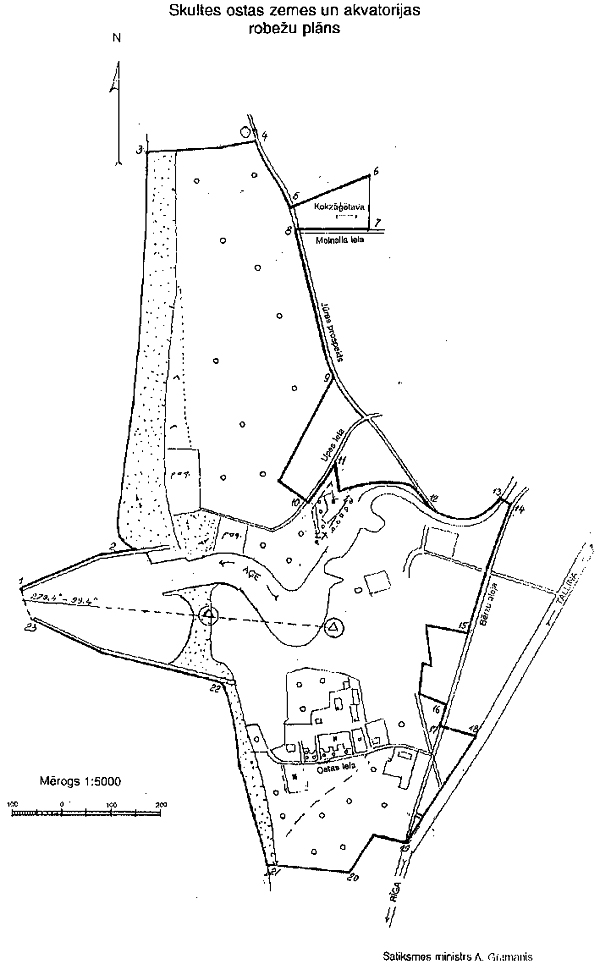
Skulte Port is one of those places where the past and present exist side by side without drawing much attention to themselves. Tucked away on the shore of the Gulf of Riga in the small village of Skulte, it doesn’t resemble the bustling marinas that attract crowds of tourists. There are no neon signs, souvenir stalls, or guided tours here—just quiet, the steady rhythm of work, and the sense that time moves a little slower than in the capital or the big resort towns.
The port has been around for a long time, though its exact origins are hard to pin down. By the early 20th century, this spot was already being used as a mooring for fishing boats and small vessels. Back then, Skulte was just another fishing village, where life revolved around the sea and its gifts. When Latvia became part of the Soviet Union, the port began to grow as part of a larger infrastructure. Piers for cargo ships appeared, along with warehouses and workshops. During the Soviet era, the port served not only local needs but also played a role in the Baltic maritime transport system.
Today, Skulte Port remains a working harbor first and foremost. Fishing boats, small cargo ships, and motorboats dock here, but you won’t find massive container vessels or passenger ferries like in Ventspils or Riga. Instead, there are modest piers where you can watch the day’s catch being unloaded, nets being repaired, or crews preparing their vessels for the next voyage. For anyone curious about maritime life, this place feels like a rare glimpse into the real thing—unpolished and unfiltered.
The architecture here is simple and practical, with buildings designed purely for function. Warehouses, hangars, and administrative offices stand in a no-nonsense style, stripped of any unnecessary details. There’s a certain charm in that simplicity, though. The old brick structures, rusted metal frameworks, and weathered fences give the port a timeless feel, as if it’s been frozen in an earlier era. Early mornings are especially atmospheric, when mist hangs over the water and the first light of dawn touches the piers and ships.
The port is deeply woven into the life of Skulte. Many locals work here or have family members in the fishing industry, and for them, it’s more than just a workplace—it’s part of their identity. You might hear stories about storms at sea, the hardships of fishing, or how the port and the village have changed over the decades. Tourists are rare here, but if you’re lucky, you might meet an old-timer willing to share a tale or two about the past.
The sea here isn’t the gentle, sunlit waters of Jurmala or Liepāja. The Gulf of Riga can be harsh, with cold winds and rough waves, and that severity is part of what makes Skulte Port special. In winter, the gulf freezes over, and the port falls quiet, turning into a serene, almost fairy-tale landscape. Summer brings more activity, with boats heading out to fish and the docks buzzing with work. On clear days, you can stand on the shore and watch ships passing in the distance or seagulls circling above the water.
For those who come to Skulte not for beaches but for something more authentic, the port is worth exploring. There are no official viewpoints or guided tours, but you can walk along the piers, watch the workers, or stop by a small café serving fresh fish. The locals aren’t used to tourists, but if you show genuine interest, they might share a story or point out something unusual.
Skulte Port isn’t a place for those seeking entertainment or luxury. It’s for people who appreciate quiet, simplicity, and the unvarnished reality of life shaped by the sea. Here, you can sense the deep connection between the water and the people who have depended on it for generations—a bond that still holds strong. In a world where so many places start to look the same, Skulte remains distinctly itself: unassuming, but quietly unique.