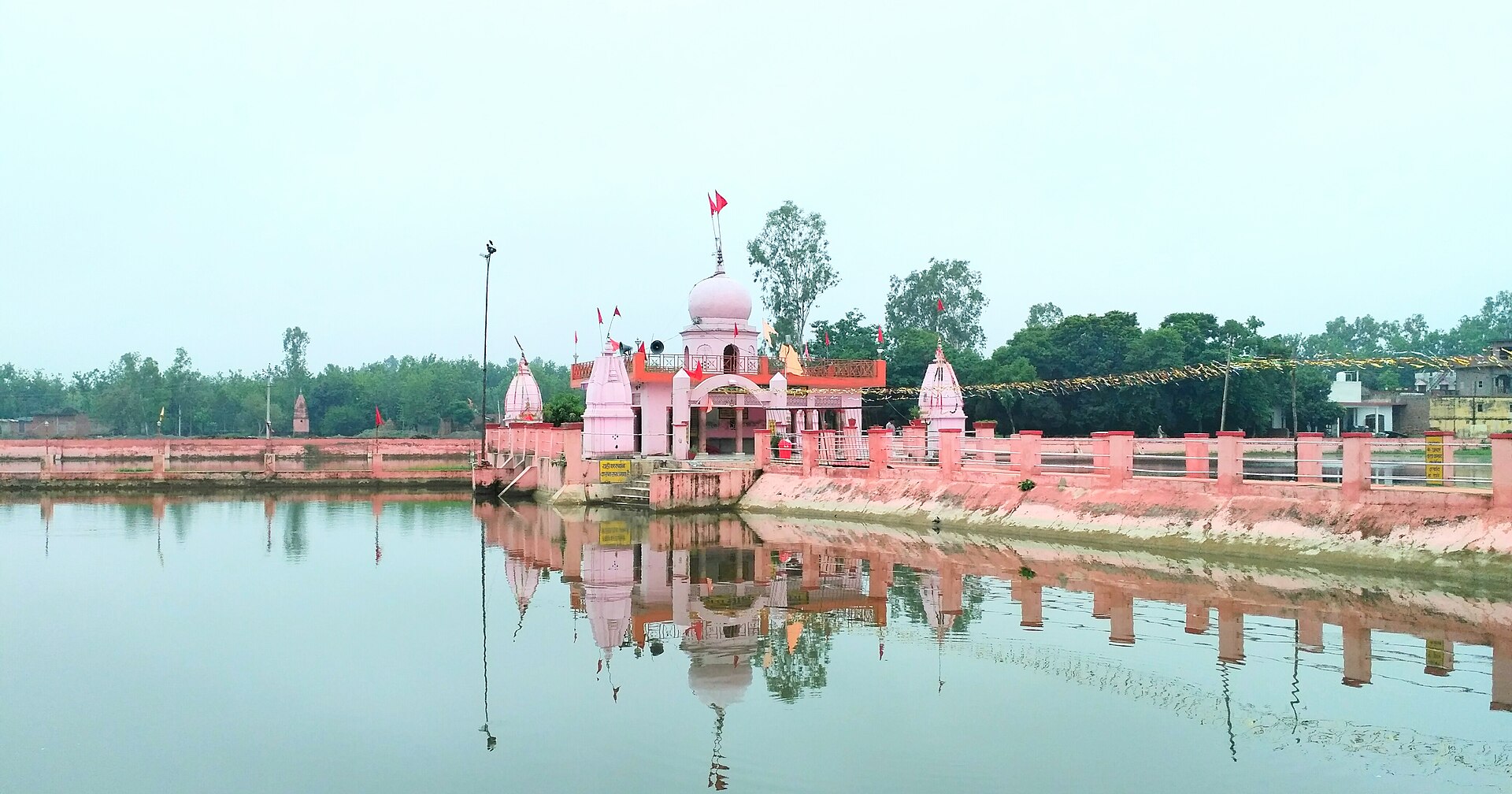
Perched on a hillside overlooking the winding roads of Palpa district, Siddha Baba Mandir feels like a quiet conversation between the earth and the sky. The temple is dedicated to Siddha Baba, a revered saint believed to grant wishes to those who visit with sincere devotion. Unlike the grand, bustling temples of Kathmandu or the high-altitude shrines of the Himalayas, this place carries an unassuming presence, as if its power lies not in spectacle but in the stillness it offers. The journey here is part of the experience—whether you arrive by foot from Tansen’s cobbled streets or take the winding road that cuts through terraced fields and clusters of traditional Newari houses. The air grows cooler as you climb, and the distant hum of the town fades into the rustle of pine trees and the occasional chime of bells from the temple.
The temple itself is modest in scale but rich in atmosphere. Built in the traditional Nepali pagoda style, its wooden beams and sloping roofs blend seamlessly with the surrounding forest. The structure is small, almost intimate, with a courtyard that invites visitors to sit and linger. Locals often come here not just for prayer but to escape the heat of the valley below, finding shade under the ancient trees that encircle the shrine. The main sanctum houses a simple stone lingam, the focal point of worship, while the walls are adorned with marigold garlands and offerings of rice, flowers, and incense. There’s no grand idol or ornate carvings—just the quiet reverence of a place that has been a site of pilgrimage for generations.
What makes Siddha Baba Mandir special is its role in the daily lives of the people who live nearby. For many in Tansen and the surrounding villages, it’s not just a religious site but a part of their cultural fabric. Farmers and traders passing through the area often stop to pay their respects, tying red threads to the temple’s railings as a symbol of their prayers. The temple is particularly lively during festivals like Maha Shivaratri, when devotees gather in large numbers, lighting oil lamps and singing hymns late into the night. Even on ordinary days, the temple grounds hum with a gentle energy—women in bright saris arranging flowers, children playing in the courtyard, and the occasional sadhu wrapped in saffron cloth, deep in meditation.
The history of the temple is as much about legend as it is about fact. According to local belief, Siddha Baba was a wandering ascetic who meditated in this very spot centuries ago, achieving enlightenment through his devotion to Lord Shiva. The exact origins of the temple are unclear, but its existence is woven into the oral traditions of the region. Some say the site was chosen because of its natural energy, a place where the earth’s currents align in a way that amplifies spiritual practice. Others believe that the saint’s presence still lingers, making the temple a conduit for divine blessings. Whether these stories hold truth or not, they add a layer of mystique to the place, drawing those who seek more than just a scenic view.
From the temple’s vantage point, the landscape unfolds in layers of green and gold. The hills roll away in every direction, dotted with villages and patches of farmland. In the distance, the peaks of the Himalayas rise like a distant dream, their snow-capped summits catching the light at dawn and dusk. The view alone is worth the climb, but it’s the sense of perspective that stays with you. Here, perched between the sky and the earth, the worries of the world below feel smaller, more manageable. It’s a place that encourages reflection, whether you’re a devout pilgrim or simply a traveler looking for a moment of quiet.
The walk back to Tansen is just as rewarding as the ascent. The path winds through forests of rhododendron and oak, their leaves filtering the sunlight into dappled patterns on the ground. Along the way, you might pass farmers leading their cattle or women carrying baskets of fresh vegetables to market. The town itself, with its narrow alleys and red-brick buildings, feels like a step back in time. Tansen has long been a crossroads for traders and travelers, and its architecture reflects a blend of Newari craftsmanship and the influences of the nearby Indian plains. The scent of woodsmoke and spices lingers in the air, a reminder of the life that continues below the temple’s quiet heights.
Siddha Baba Mandir isn’t the kind of place that demands attention. It doesn’t have the grandeur of Pashupatinath or the dramatic setting of Muktinath, but that’s precisely what makes it worth visiting. Here, the sacred and the everyday coexist without pretense. The temple doesn’t need to shout its importance—it simply is, a steady presence in the lives of those who know it. For travelers, it offers a glimpse into the quieter side of Nepali spirituality, where faith is woven into the landscape itself. Whether you come for the view, the history, or the chance to sit in silence, the temple leaves an impression that lingers long after you’ve descended the hill.