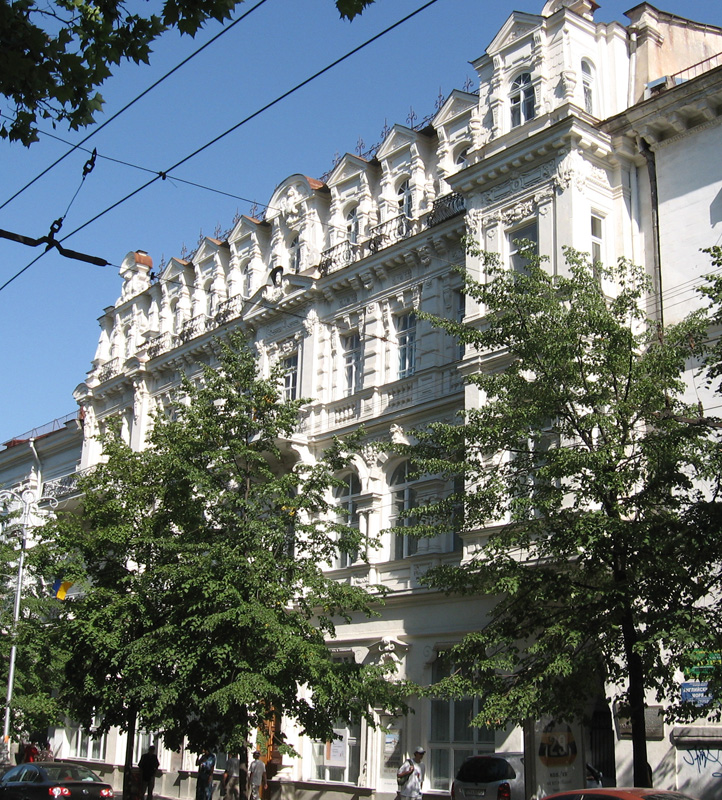
The Sevastopol Art Museum named after Mikhail Kroshitsky is one of those rare places where art and history intertwine so naturally that it feels less like a museum and more like a quiet conversation with the past. Housed in a building that has witnessed the city’s turbulent transformations, it stands not far from the bustling waterfront, where the Black Sea’s salty breeze still carries echoes of the stories told within its walls. The museum isn’t just a collection of paintings and sculptures; it’s a testament to the resilience of a city that has been rebuilt time and again, each layer of its history preserved in the brushstrokes of artists who called this place home.
The museum’s origins trace back to the aftermath of World War II, when Sevastopol lay in ruins and the idea of reviving its cultural life became a symbol of hope. Mikhail Kroshitsky, a painter and educator, took on the task of gathering what remained of the city’s artistic heritage and creating a space where art could heal and inspire. His efforts laid the foundation for what would become one of Crimea’s most significant cultural institutions. In those early years, the museum was more than an exhibition space—it was a promise that beauty and creativity could endure even in the face of destruction.
The building itself is a piece of history. Constructed in the early 20th century as a residence for officers of the Black Sea Fleet, it reflects the architectural style of pre-revolutionary Sevastopol: sturdy, unpretentious, and designed to last. High ceilings, wide windows, and the faint scent of aged wood and plaster create an atmosphere that feels both grand and intimate. After the war, the building was restored and repurposed, its walls now holding not just art but the memories of those who once lived and worked here. Walking through its halls, you can almost hear the footsteps of the past, the murmur of conversations long faded.
The museum’s collection spans several centuries, offering a journey through Russian and European art from the 18th to the 21st century. Among its most celebrated works are the seascapes of Ivan Aivazovsky, whose paintings capture the ever-changing moods of the Black Sea with a luminosity that feels almost alive. The collection also includes works by the Wanderers, a group of 19th-century Russian artists who sought to depict the realities of life beyond the salons of St. Petersburg. Soviet-era art is represented as well, with pieces that reflect the ideals and struggles of their time. But perhaps the most moving part of the collection is the work of local artists—those who documented Sevastopol’s streets, its harbors, and its people through periods of peace and war.
One of the museum’s hidden treasures is its collection of graphics and watercolors dedicated to Sevastopol. These delicate works on paper offer a more intimate glimpse into the city’s past, capturing moments that larger paintings often overlook: the play of light on a quiet alley, the curve of a bay at dusk, the faces of ordinary people going about their lives. Some of these pieces were created during the Crimean War, others in the decades that followed, but all of them share a sense of immediacy, as if the artists were trying to hold onto something fleeting. Together, they form a visual diary of a city that has always been more than just a port or a naval base—it’s a place where history is lived, not just remembered.
Beyond its permanent collection, the museum regularly hosts temporary exhibitions that bring in new voices and perspectives. These might feature contemporary artists from across Russia or international projects that challenge or complement the museum’s existing holdings. The rotating displays ensure that each visit feels fresh, offering something unexpected even to those who have been here before. The museum also serves as a cultural hub, hosting lectures, workshops, and discussions that connect art to the broader context of Sevastopol’s history and identity. It’s a place where the past and present coexist, where a 19th-century landscape might hang alongside a modern installation, inviting visitors to draw their own connections.
For many, the museum is as much about Sevastopol as it is about art. The exhibits often include photographs, documents, and personal stories that shed light on the city’s layered history. There are images of the Crimean War, when Sevastopol became a symbol of resistance, and of the Soviet era, when it was rebuilt as a fortress of a different kind. There are also quieter moments: a street scene from the 1920s, a family portrait from the 1950s, a sketch of a fisherman mending his nets. These fragments of everyday life remind visitors that history isn’t just about grand events—it’s also about the people who lived through them, whose lives were shaped by the same sea, the same streets, the same light that fills the museum’s galleries today.
The museum’s location makes it an ideal starting point for exploring Sevastopol. From here, it’s a short walk to the waterfront, where the sea stretches out endlessly, or to the nearby parks, where the shade of old trees offers a quiet respite. The city itself is a living museum, its streets lined with monuments, its hills dotted with forts, its harbors still bustling with ships. But the art museum offers something different—a chance to see Sevastopol through the eyes of those who loved it, who fought for it, who rebuilt it. It’s a place where the city’s past feels tangible, where the weight of history is balanced by the lightness of creativity.
Visiting the museum is a slow, immersive experience. There’s no need to rush from one painting to the next; the space invites you to linger, to sit on one of the benches and let the art wash over you. Some visitors come for the famous names, others for the local artists, but most leave with a deeper appreciation for the way art can preserve what might otherwise be lost. The museum doesn’t just display paintings—it tells stories. Stories of war and peace, of destruction and renewal, of artists who found beauty in a city that has seen so much. And in doing so, it becomes a story itself, one that continues to unfold with each new visitor who walks through its doors.