Photo: vivali, CC BY 3.0
Koreiz Sanatorium
out of 5 0 ratingsKoreiz, a quiet settlement on the southern coast of Crimea, feels like a place where time moves at its own unhurried pace. Nestled between the Black Sea and the slopes of the Crimean Mountains, it has long been a retreat for those seeking rest away from the noise of cities. The sanatorium Koreiz stands as one of the most recognizable landmarks here, not just for its size or architecture, but for the role it has played in the region’s history. Built in the early 20th century, it was originally conceived as a grand estate before evolving into a place of healing and relaxation, a transformation that mirrors the broader changes in Crimea itself.
The building’s architecture is a blend of styles that reflects its layered past. The main structure, with its white facades and arched windows, carries the elegance of early 20th-century European design, while the surrounding gardens and terraces hint at the influence of Mediterranean villas. The sanatorium was once part of a larger estate owned by a noble family, and though much has changed since then, traces of that era remain in the careful layout of the grounds. The property stretches across several levels, descending toward the sea, with pathways lined by cypress and pine trees that have grown here for decades. In the warmer months, the scent of flowers and saltwater lingers in the air, adding to the sense of seclusion.
Over the years, Koreiz sanatorium has served different purposes. During the Soviet era, it became a state-run health resort, catering to workers and officials who came here to recover from illness or simply to escape the harsh winters of the north. The sanatorium was equipped with medical facilities, but its appeal went beyond treatment—it was a place where people could slow down, breathe in the sea air, and enjoy the mild climate that Crimea is known for. Even today, the building retains some of its original function, though its role has shifted with the times. It no longer operates as a full-fledged medical institution, but the atmosphere of rest and retreat remains.
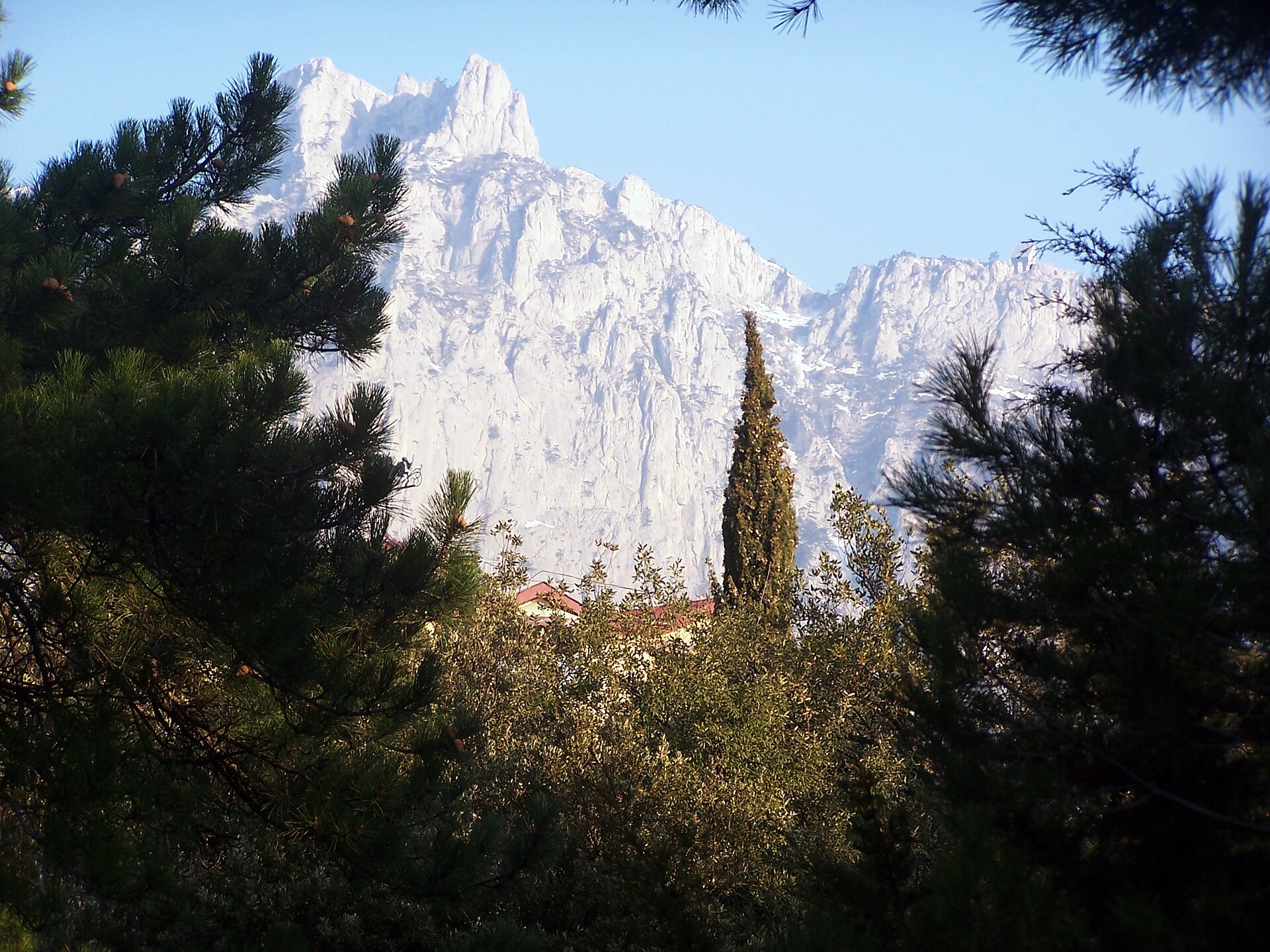
The location of the sanatorium is one of its greatest assets. Perched on a hillside, it offers views of the sea that stretch toward the horizon, especially striking at sunrise and sunset. The nearby coastline is rocky in places, with small pebble beaches tucked between cliffs, accessible by winding paths that lead down from the estate. The water here is clear, though the currents can be strong, making swimming a careful affair. For those who prefer to stay on land, the surrounding area is ideal for walks. The mountains rise steeply behind the sanatorium, covered in forests that change color with the seasons—deep green in summer, golden in autumn, and dusted with snow in winter.
Koreiz itself is a small place, with a handful of other estates and villas scattered along the coast. Unlike the bustling resorts further east, it has never been a destination for mass tourism. Instead, it attracts those who appreciate quiet and a sense of history. The nearby settlements, like Gaspra and Miskhor, are within walking distance, offering a few cafes and shops, but the real draw is the landscape itself. The Crimean Mountains create a natural barrier, sheltering the coast from cold winds and giving the area its own microclimate. Winters are mild, with rare frosts, while summers are warm but not oppressive, thanks to the sea breeze.
The sanatorium’s interior, though not open to the public in the same way as a museum, still carries echoes of its past. The grand halls and corridors, with their high ceilings and large windows, were designed to impress, and even now, they give a sense of the scale on which the estate was built. Some of the original furnishings may still be in place, though much has been replaced or restored over the years. The rooms that once housed guests are now used for different purposes, but the layout remains largely unchanged—a reminder of how the building was meant to function as both a private residence and a place of hospitality.
For those who visit Koreiz, the sanatorium is more than just a building; it’s a piece of the region’s history. It stands as a testament to the changing fortunes of Crimea, from a playground for the aristocracy to a retreat for Soviet citizens, and now to a place that exists somewhere in between. The estate has seen wars, political upheavals, and economic shifts, yet it endures, a quiet witness to the passage of time. Walking through its gardens or standing on one of its terraces, it’s easy to imagine the generations of people who have come here seeking rest, whether for their health or simply for a moment of peace.
The future of the sanatorium, like much of Crimea, remains uncertain. Ownership and use have shifted multiple times, and the building’s condition reflects the challenges of maintaining such a large property. Yet there is something resilient about it, a sense that it will continue to adapt, just as it has for over a century. For now, it remains a landmark in Koreiz, a place that invites curiosity and reflection. Whether you come here for the history, the scenery, or just the chance to step away from the rush of modern life, the sanatorium offers a glimpse into a quieter, slower way of living—one that feels increasingly rare in today’s world.
Day around this place
Where else to go on the same day
Building the day…
Where it is
44.42957, 34.07709