In the heart of Baghdad, where the city’s relentless energy pulses through its streets, there is a place where time seems to soften. Our Lady of Salvation Cathedral, known locally as Saida al-Nejat, stands as a quiet witness to the layers of history that have shaped Iraq. Unlike the bustling markets or the hum of traffic just beyond its walls, the cathedral offers a stillness that feels almost deliberate—a space where the past lingers in the cool stone and the hushed footsteps of those who enter.
Built in the early 20th century, when Baghdad was still under Ottoman rule, the cathedral reflects a moment when the city’s Christian community, though small, played a visible role in its cultural and economic life. The architecture blends European Gothic influences with local traditions, creating something distinct from other churches in the region. Tall, pointed windows filter light through stained glass, casting a gentle glow over the interior. The design is unassuming but thoughtful: wooden pews, a carved altar, and frescoes depicting scenes from the lives of Christ and the Virgin Mary. The craftsmanship isn’t grand in the way of European cathedrals, but there’s a sincerity in its simplicity, a sense that every detail was chosen with care.
For Baghdad’s Christians, Saida al-Nejat has always been more than a place of worship. It has been a symbol of endurance through decades of upheaval—wars, revolutions, and shifting political landscapes. Even as the city changed around it, the cathedral remained a constant. Generations were baptized here, couples married, and the dead were mourned. In times when the Christian community dwindled, the doors stayed open, offering solace to those who remained. The building itself has borne witness to these cycles of loss and resilience, its walls holding the memories of countless lives.
The cathedral’s architecture tells its own story. The facade, with its Gothic arches and rose windows, is made from local stone, giving it a warmth that contrasts with the more austere European examples of the style. The bell tower, though modest in height, stands out against the flat rooftops of the surrounding neighborhood. Inside, the frescoes—painted by local artists in the early 1900s—are not masterpieces in the traditional sense, but they carry a quiet beauty. Their straightforward style feels honest, a reflection of the people who created them and the community they served.
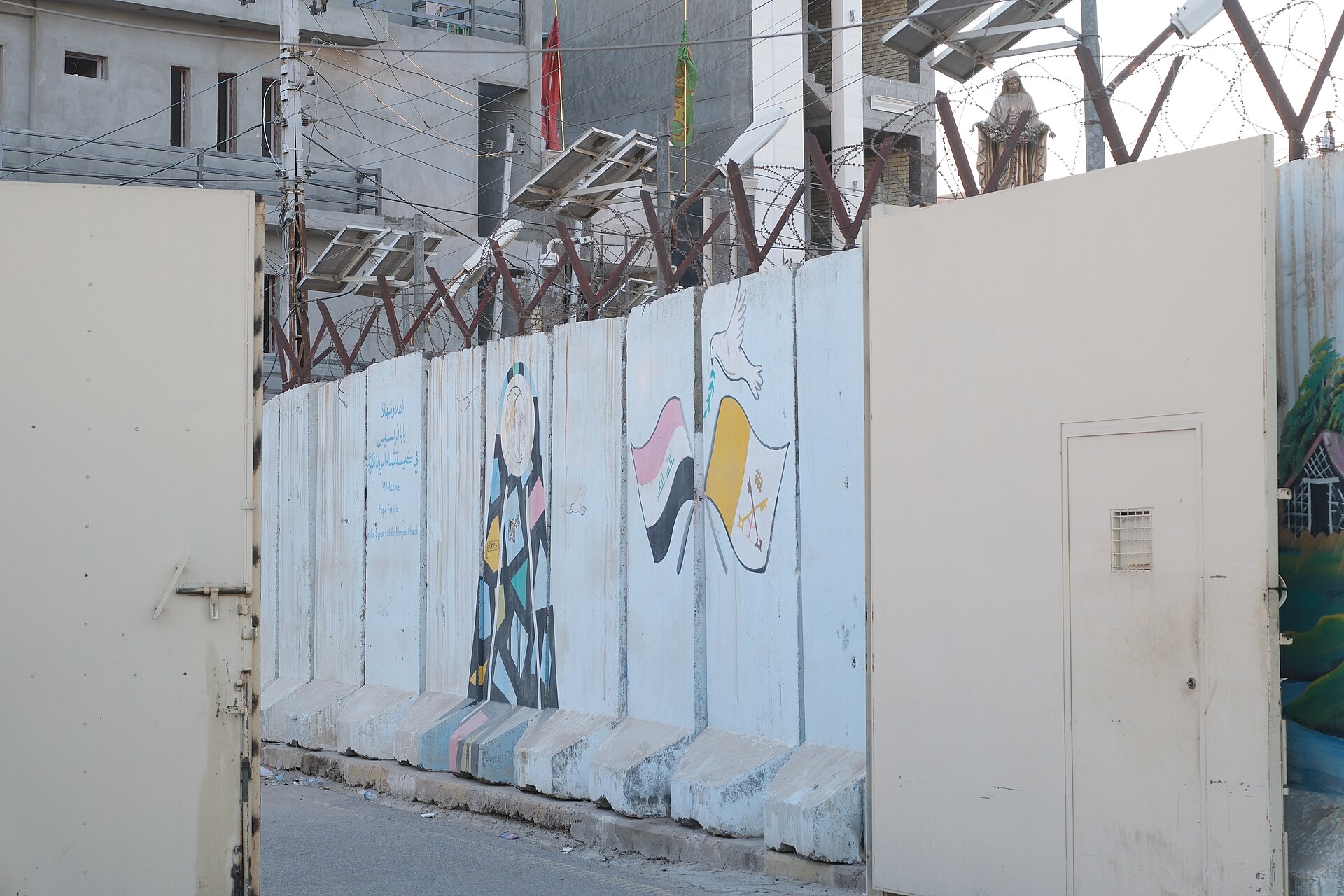
Saida al-Nejat has survived its share of trials. During conflicts, it found itself in the midst of violence, yet somehow escaped major destruction. In 2004, when sectarian tensions flared in Iraq, the cathedral was targeted, but local residents—regardless of their faith—rallied to protect it. That moment revealed something deeper about the place: for many in Baghdad, the cathedral isn’t just a building. It’s a part of their shared history, a reminder of the city’s diversity and the fragile threads that have held it together.
Today, the cathedral remains an active place of worship. On Sundays, services are held in Arabic and Aramaic, the ancient language of Christ still alive in the chants that echo through the nave. The congregation is a mix of old families and newer arrivals, people who have come to Baghdad from other parts of Iraq seeking stability. For them, Saida al-Nejat is a refuge, a place where faith and community offer a sense of continuity in uncertain times.
A small museum attached to the cathedral holds relics of the city’s Christian past: old liturgical books, priestly vestments, and photographs that trace the ebb and flow of the community over the decades. These items are more than artifacts; they’re fragments of a story that often gets overshadowed by Iraq’s more turbulent narratives. They speak to long periods of coexistence, when different faiths and cultures shared the same streets, the same markets, the same daily rhythms.
The neighborhood around the cathedral has changed, as neighborhoods do. Once a predominantly Christian area, it now reflects the city’s shifting demographics. Narrow streets wind past old houses with carved wooden doors and hidden courtyards, remnants of a Baghdad that existed before modern upheavals. Some of the shops still sell religious icons or handwritten prayer books, while others have adapted to new realities. Yet even here, the past isn’t entirely gone. It lingers in the details—the way light falls on a worn threshold, the scent of cardamom tea drifting from a nearby café.
Visiting Saida al-Nejat isn’t like visiting a monument. There’s no grand spectacle, no crowds of tourists snapping photos. Instead, it’s a place that invites quiet reflection. The cathedral doesn’t demand attention, but those who take the time to notice will find layers of meaning in its walls. It’s a reminder that history isn’t just about the big events—it’s also about the small, everyday moments that shape a city and its people. For anyone seeking to understand Baghdad beyond its headlines, Saida al-Nejat offers a glimpse into the resilience of a community and the enduring power of a place that has, against all odds, remained standing.