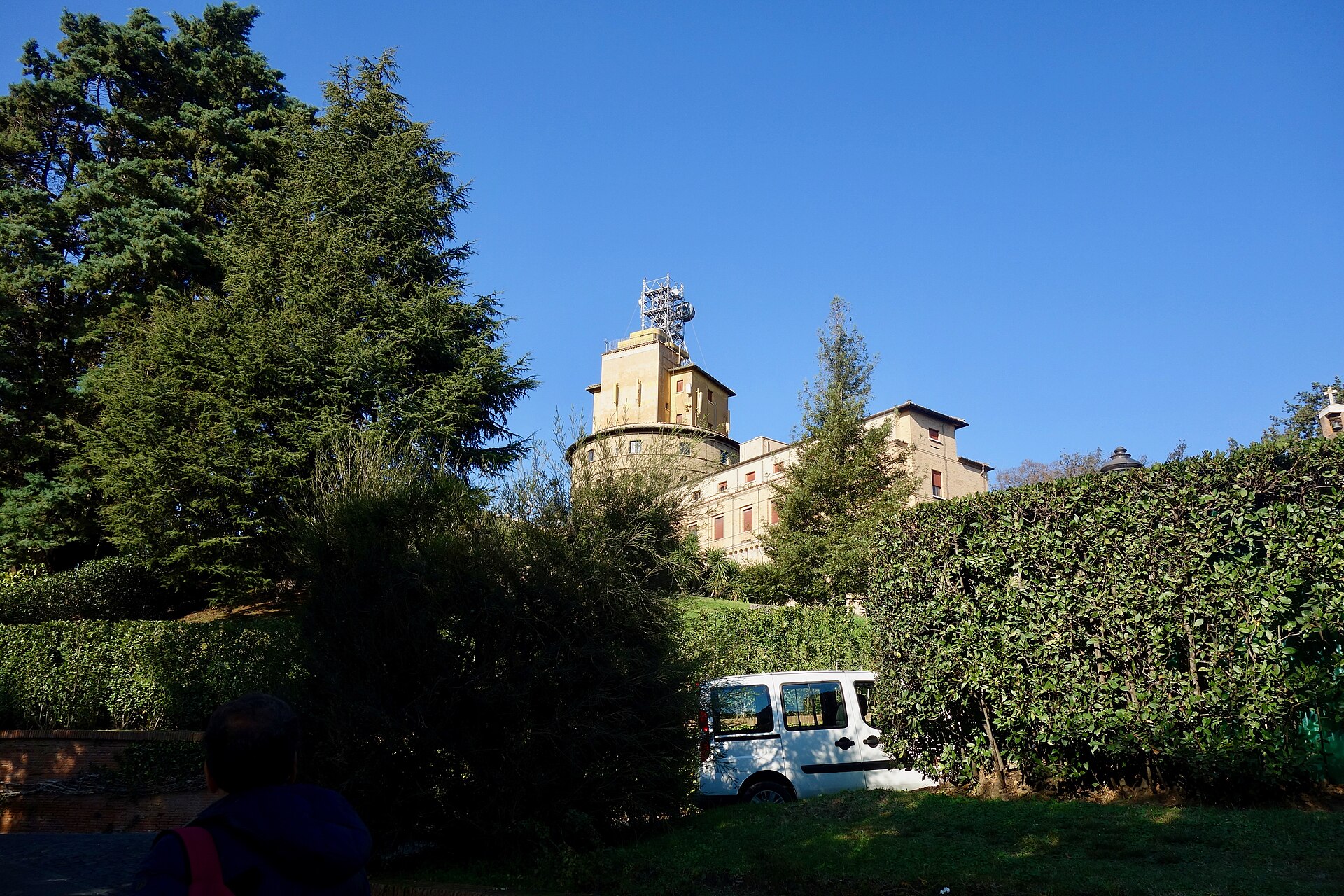
The Vatican Gardens are a quiet refuge tucked within the heart of Rome, where history and nature intertwine in a way that feels almost timeless. Covering nearly half of Vatican City’s territory—eighteen hectares of rolling hills—they offer a stark contrast to the bustling crowds just steps away at St. Peter’s Square. Here, the pace slows, and the weight of centuries lingers in the air, carried by the rustling leaves of ancient trees, the murmur of fountains, and the quiet dignity of sculptures that have stood for hundreds of years. It’s a place where the grandeur of the papal state isn’t just seen but felt, where every path and stone seems to whisper stories of the past.
The origins of the gardens stretch back to the 13th century, when Pope Nicholas III moved the papal residence to Vatican Hill and ordered the creation of orchards, vineyards, and a private garden for reflection. Over time, these grounds evolved into something far more elaborate. By the Renaissance, popes were commissioning the finest architects and artists to transform the space into a terrestrial paradise. Fountains, grottoes, and shaded walkways appeared, adorned with classical statues and paved with marble and brick. One of the most striking features is the Fountain of Galatea, inspired by an ancient myth and designed in the 16th century—its cascading water seems to dance in perpetual motion, a fleeting moment frozen in stone.
The gardens are more than just a collection of beautiful elements; they’re a carefully composed tapestry where every detail carries meaning. Medieval towers stand alongside Renaissance villas, and fragments of ancient Roman structures are preserved with reverence. Among the most notable landmarks is the Casino of Pius IV, a small 16th-century palace in the Mannerist style, its facade rich with frescoes and sculptures. Inside, the opulent halls once hosted papal audiences, while outside, an English-style garden unfolds around a tranquil pond where ducks and swans glide across the water. The contrast between the grandeur of the architecture and the serenity of the landscape makes this corner of the gardens feel especially peaceful.
Beyond their architectural splendor, the Vatican Gardens are a living museum of plants from around the world. Mediterranean olive trees and cypresses share space with exotic palms and cacti, while rose gardens bloom with hundreds of varieties gifted to the popes by different nations. In summer, the air is thick with the scent of lavender and thyme, and in autumn, the trees blaze with gold and crimson. The gardens also include greenhouses cultivating rare species and a small vegetable garden that still supplies produce for the papal table. It’s a reminder that this place isn’t just a relic of the past but a functioning part of the Vatican’s daily life.
Access to the gardens is intentionally limited, which only adds to their mystique. Visits are by guided tour only, and the experience feels more like an intimate glimpse into a private world than a typical tourist attraction. This exclusivity isn’t arbitrary—the gardens remain an active part of the papal residence, where private ceremonies and meetings still take place. During a tour, you might see not only historic monuments but also modern symbols of the Vatican, like the radio station that broadcasts to the world or the helipad where the pope departs for his travels. Occasionally, the gardens host high-profile guests, and on those days, the atmosphere is charged with a sense of occasion.
Walking through the gardens offers a perspective on the Vatican that most visitors never see. There are no crowds here, no jostling for space in front of St. Peter’s Basilica or the Sistine Chapel. Instead, there’s silence, broken only by birdsong and the soft splash of fountains. You can sit on a bench beneath an ancient oak and imagine the popes who once strolled these paths, the cardinals who debated the fate of Europe, or the artists who sketched their visions into the landscape. The gardens don’t just preserve history—they keep it alive, breathing and evolving with each passing season.
Art and history are woven into every corner of the gardens. Many of the Renaissance’s greatest minds drew inspiration here, from Raphael, who designed parts of the grounds, to Bernini, whose influence can be seen in the fountains. Copies of classical statues—once adornments of Roman villas—stand among the greenery, their weathered forms a testament to the enduring legacy of antiquity. Some of these sculptures were unearthed during excavations within the Vatican itself, and now they serve as silent guardians of the past, their stories etched into the stone.
The gardens have witnessed some of the most pivotal moments in papal history. They’ve seen the rise and fall of papal power, the turmoil of wars, and the quiet diplomacy of peace. In the 19th century, as Italy unified, the gardens became a symbol of resistance—Pope Pius IX sought refuge here during the revolution, and later, negotiations over the fate of the Papal States took place within these walls. Today, they remain a place where the sacred and the secular intersect, where the weight of tradition meets the realities of the modern world.
A visit to the Vatican Gardens is more than just a tour; it’s an opportunity to step into a different rhythm of time. There’s no rush here, no need to hurry from one landmark to the next. You can wander for hours, discovering hidden corners, or simply sit by the pond and watch the play of light on the water. It’s a place to pause, to breathe, and to feel the quiet presence of history all around you. In a city as busy as Rome, the gardens offer something rare: a moment of stillness, a connection to something enduring.