Nadur Garden
Nadur Garden is one of those quiet places that reveal their charm only if you wander beyond the usual tourist paths. Tucked within the ancient walls of Mdina, Malta’s former capital, this small public garden feels like a hidden courtyard where history and nature meet. The garden isn’t grand or meticulously landscaped—it’s a modest green space where locals sit in the shade, read, or enjoy stillness away from the city’s narrow streets.
The walls around Nadur Garden are part of Mdina’s medieval fortifications, built over centuries by the Phoenicians, Romans, Arabs, and Knights of St. John. These walls have seen sieges, conquests, and the slow evolution of a city that was once Malta’s political and cultural heart. The garden itself appeared later, carved from what was likely a defensive space or private courtyard. Today, it offers a quiet contrast to Mdina’s imposing stone architecture, providing a rare patch of greenery in a city where every inch of land carries history.
From the garden, you see Mdina’s past in the weathered limestone, arched doorways, and coats of arms etched into the stone. The city was called *Città Notabile*—the Noble City—because of its ties to Malta’s aristocracy. Even now, it feels dignified. Nadur Garden, though small, fits this mood. There are benches, flowerbeds, and palm trees swaying in the breeze. The garden’s simplicity makes it easy to imagine how Mdina’s residents used such spaces over the centuries—for rest, conversation, or quiet thought.
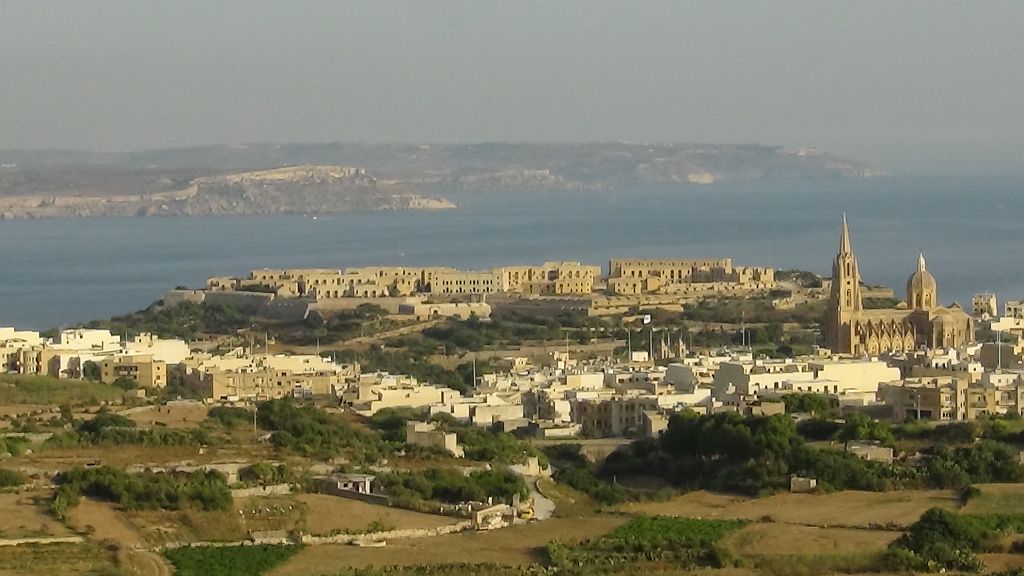
Nadur Garden frames the landscape in unexpected ways. From some angles, you see Malta’s rolling countryside beyond the walls, a reminder that Mdina, despite its fortress-like appearance, was never cut off. The garden’s position lets you look over fields and villages below, where golden countryside meets grey stone. On clear days, the view stretches to the distant coastline, where the Mediterranean shimmers.
Seasons change the garden subtly. In spring, flowerbeds bloom, and the air smells of jasmine and citrus. Summer turns limestone walls almost white. Autumn softens the landscape with haze. Even in winter, bare branches cast shadows on the stone. The garden shifts with light, weather, and time, offering something new each visit.
For those exploring Mdina, Nadur Garden is a surprise. The city’s main attractions—the cathedral, palaces, museums—are nearby, but the garden feels like a secret just off the path. No fee, no crowds, no pressure to stay. It’s a place to sit, watch light on the walls, or listen to church bells over rooftops. In a city full of stories, Nadur Garden offers quiet—a chance to step back and appreciate the present.
The name *Nadur* comes from the Maltese word for "lookout" or "watchtower," a nod to its past as part of Mdina’s defenses. Though it no longer serves that role, the name reminds you how deeply the city is tied to its history. Standing here, you feel the layers of time—the footsteps of guards, whispers of noble families, lives of people who once lived here.
If you visit Mdina, seek out Nadur Garden. Not for spectacle, but for how it captures the city’s essence. Here, history feels real, past and present coexist without fuss. Whether you come for the view, the quiet, or a moment of rest, the garden offers a different perspective—one that’s intimate and human. In a city of stone and legend, it reminds you that the simplest places often hold the most meaning.