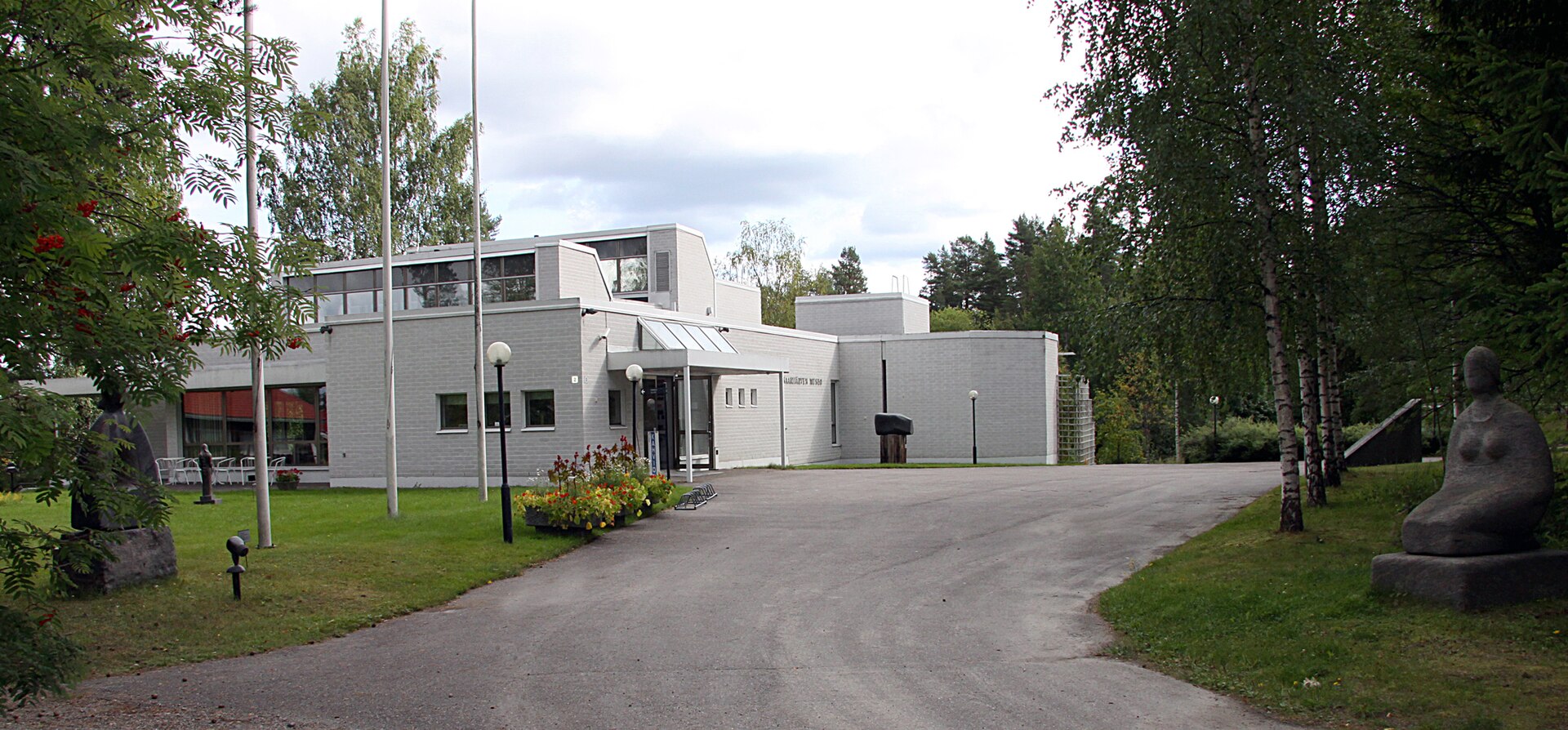
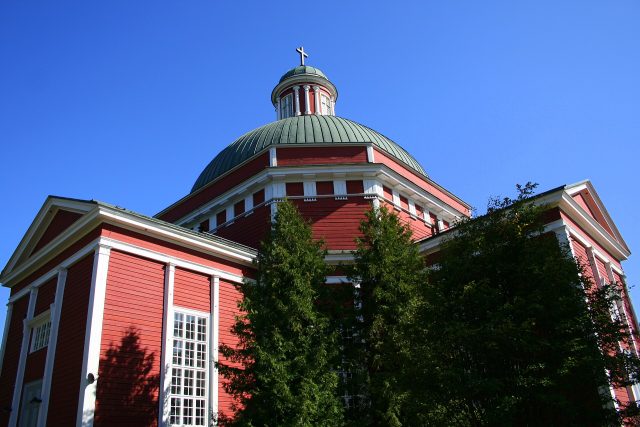
Saarijärvi is one of those quiet Finnish towns where life moves at the pace of the seasons, far from the rush of cities. Nestled among lakes and forests, it feels like a place where time has settled into a slower rhythm. Yet it’s in these unassuming corners of the world that you often find something truly special—the kind of place that doesn’t shout for attention but quietly holds the stories of those who came before. The Saarijärvi Local History Museum is one such place, a small but deeply human record of how people have lived, worked, and shaped this land over generations.
The museum itself is housed in a wooden building that feels like a piece of history even before you step inside. Built in the late 19th century, it once belonged to a prosperous local family, and its design reflects the practical yet thoughtful architecture of rural Finland at the time. The structure is simple—wide windows to catch the scarce winter light, sturdy joints that have held fast for over a century, and the warm, resinous scent of aged timber. There’s something about old wooden houses in Finland; they carry the weight of years not just in their beams but in the way they seem to breathe with the memories of those who built and lived in them.
Inside, the museum unfolds like a journey through time. The rooms are arranged to show how daily life changed across the decades, from the mid-1800s to the early 20th century. One space recreates a peasant’s cottage, where rough-hewn furniture, clay pots, and a loom speak of a life built on hard work and self-sufficiency. Every object has a purpose, every tool a story. Nearby, a room from the turn of the century tells a different tale—one of gradual change. Here, factory-made goods appear alongside handcrafted items, wall clocks tick away the hours, and the first electric lamps hint at the slow creep of modernity into rural life. The contrast is subtle but telling, a reminder of how even the most remote villages were eventually touched by the wider world.
A significant part of the museum is dedicated to traditional crafts, and it’s here that the skill and ingenuity of the region’s people come to life. Tools of the trade—axes, hammers, looms, and leatherworking implements—are displayed alongside the things they helped create: carved wooden spoons, wrought-iron hooks, woven rugs still vibrant with color. Some of these crafts are still practiced today, though not as widely as they once were. Old photographs show artisans at work, their hands moving with the kind of knowledge passed down through generations. It’s clear that for many in Saarijärvi, craftsmanship wasn’t just a way to make a living—it was a way of understanding the world.
The museum also pays close attention to the natural environment that has always shaped life in this part of Finland. Saarijärvi is surrounded by lakes and forests, and the people here have long depended on them for food, materials, and even a sense of identity. A section of the museum is devoted to the local wildlife, with taxidermied animals like moose, foxes, and beavers displayed alongside birds that still fill the skies in these parts. Fishing gear, small boats, and stories of winter ice-fishing or summer expeditions on rickety rowboats paint a picture of a life intimately connected to the land. For Finns, nature isn’t just scenery—it’s a presence, something that demands respect and offers both challenges and rewards in return.
What makes the Saarijärvi Local History Museum more than just a collection of artifacts is the way it engages with the community. It’s not a place that sits quietly behind glass; instead, it invites people in. Throughout the year, the museum hosts workshops where visitors can try their hand at traditional crafts, from woodcarving to weaving. There are lectures on local history, small concerts of folk music, and in the summer, outdoor markets where artisans sell their work and vendors serve dishes made from old recipes. These events draw locals as much as tourists, turning the museum into a living space where stories are shared and connections are made.
There’s no grand spectacle here, no attempt to dazzle with scale or opulence. The strength of the museum lies in its quiet authenticity. Every object, every photograph, every carefully preserved detail serves a purpose—to show how ordinary lives have shaped this place. It’s a reminder that history isn’t just about kings and battles or sweeping changes; it’s also about the people who tilled the soil, raised families, built homes, and passed down their skills. That’s why the museum matters so much to Saarijärvi. It doesn’t just preserve the past; it keeps the threads of memory alive, helping those who live here now understand where they come from and what has made their home what it is today.